


More news on this day
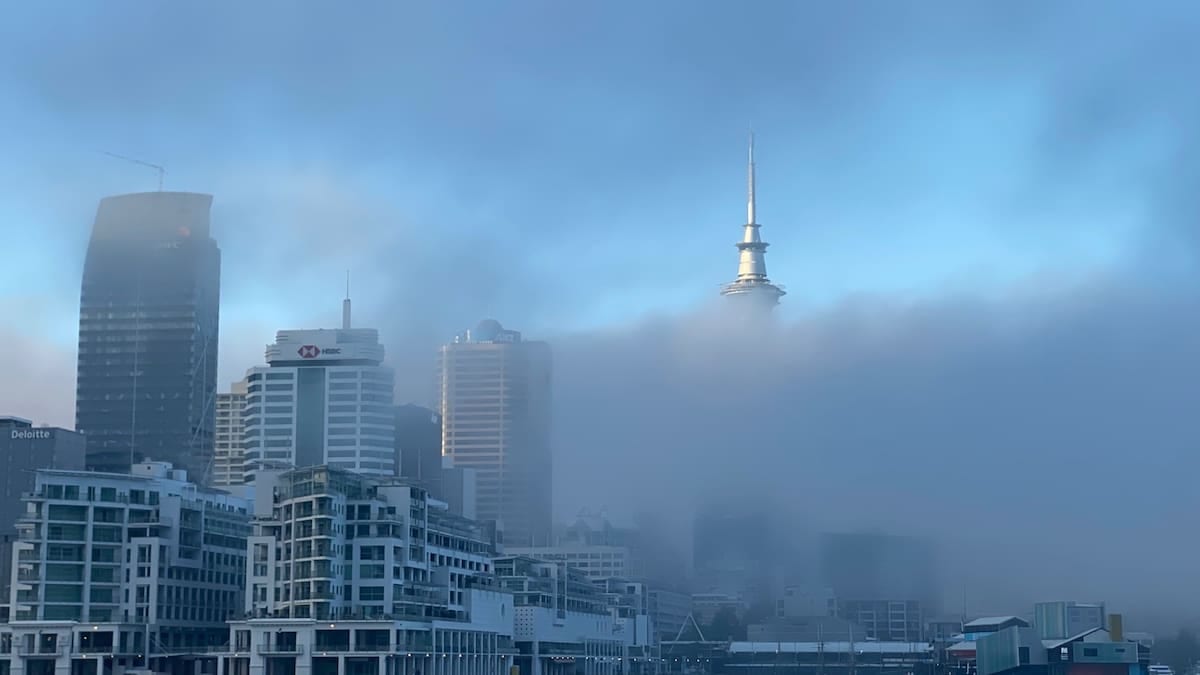
Dense morning fog at Auckland Airport has disrupted flight operations, prompting a wave of delays and cancellations that rippled across domestic and international routes and left many travelers facing extended waits and missed connections.
Get the latest news straight to your inbox!
Low visibility slows arrivals and departures
Flight tracking data and airport information services show that reduced visibility around Auckland Airport significantly slowed arrivals and departures as early services attempted to get airborne. Several early-morning departures were unable to leave on time, while inbound services were placed into holding patterns or diverted until conditions improved.
Domestic routes were among the first to be affected, with services to and from regional centers delayed as pilots and air traffic managers waited for visibility to return to safe operating thresholds. International flights arriving into Auckland during the affected window also experienced extended approach times, contributing to congestion on the ground once operations began to recover.
Operational updates indicate that the onset of fog occurred during one of the airport’s busiest transition periods between overnight and morning peaks. This timing amplified the impact, as aircraft scheduled to operate multiple sectors throughout the day began running behind schedule from the first rotation.
Knock-on disruptions across New Zealand network
The delays at Auckland quickly spread through the wider New Zealand network, as aircraft and crews due to operate onward services were held up by the conditions. Publicly available tracking of domestic flights showed knock-on delays on popular trunk routes linking Auckland with Wellington, Christchurch and Queenstown, as well as on flights to regional destinations.
Because many New Zealand routes rely on aircraft cycling through Auckland, a disruption in the morning often affects schedules throughout the day. When early flights are delayed or cancelled, aircraft may not be in the right place for subsequent services, forcing airlines to consolidate or retime departures and in some cases suspend individual flights altogether.
Travelers connecting through Auckland onto international services also faced uncertainty, with some passengers missing onward connections and being rebooked on later departures. Airlines generally attempted to prioritize long-haul links once visibility improved, but residual delays remained on shorter sectors while operations were gradually resynchronized.
Passengers face long waits and rebooking challenges
Reports from travelers on social media platforms and travel forums describe long queues at check-in counters and service desks as passengers sought information on revised departure times and alternative routing options. Some travelers recounted spending several hours in the terminal while waiting for updated boarding calls or confirmation of new itineraries.
Standard operating practice in such weather-related events typically focuses on reaccommodating passengers on the next available service to their destination, subject to seat availability. However, when an entire morning wave of flights is disrupted, alternative options can be limited, particularly on regional routes with fewer daily frequencies.
Publicly available consumer guidance in New Zealand indicates that weather-related disruptions are generally treated differently from delays within an airline’s direct control. Travelers are often advised to check the specific conditions of carriage and any applicable travel insurance, which may cover additional accommodation or incidental expenses when extensive delays occur for reasons outside airline control.
Fog a recurring challenge at Auckland in winter
Meteorological records and previous incident reports highlight that dense fog is a recurring feature of Auckland’s winter and early spring weather pattern. When temperature, humidity and wind conditions align, visibility around the airfield can drop rapidly, forcing operations to slow or pause until conditions meet the required safety margins for takeoff and landing.
Earlier this season, localized fog events around Auckland led to notable disruption on several mornings, grounding dozens of flights and generating widespread complaints from stranded passengers. Social media posts and local coverage at the time showed images of thick fog blanketing the city’s harbors and suburbs, underlining how quickly conditions can deteriorate.
Aviation performance data for New Zealand has also noted seasonal weather, including fog and low cloud, as a contributing factor to on-time performance challenges across the network. While modern navigation aids and procedures can support operations in reduced visibility, safety parameters remain strict, and conservative decision-making is common when conditions deteriorate suddenly.
Airlines and airport work to clear backlog
Once the fog began to lift and visibility improved, operations at Auckland Airport gradually returned toward normal, with departure banks reshuffled and additional services added where possible to help clear the backlog. Flight status boards showed a mix of delayed departures, new estimated times and a smaller number of outright cancellations as airlines adjusted their schedules.
Publicly available operational information suggests that recovery from a morning disruption of this scale can take much of the day, particularly on days with already busy schedules. Crews may face duty-time limitations, and aircraft may need to be repositioned, meaning some services remain altered even after weather conditions improve.
Travel experts commonly recommend that passengers traveling during New Zealand’s fog-prone months build extra time into itineraries, especially when planning same-day connections or critical appointments. Checking flight status before leaving for the airport, monitoring airline apps for gate and time changes, and maintaining flexible plans can help lessen the impact when dense fog once again settles over Auckland’s main international gateway.