


More news on this day
Thick fog around Auckland Airport has disrupted morning operations, with multiple flights delayed or cancelled and knock-on impacts reported across New Zealand’s domestic and trans-Tasman networks.
Get the latest news straight to your inbox!
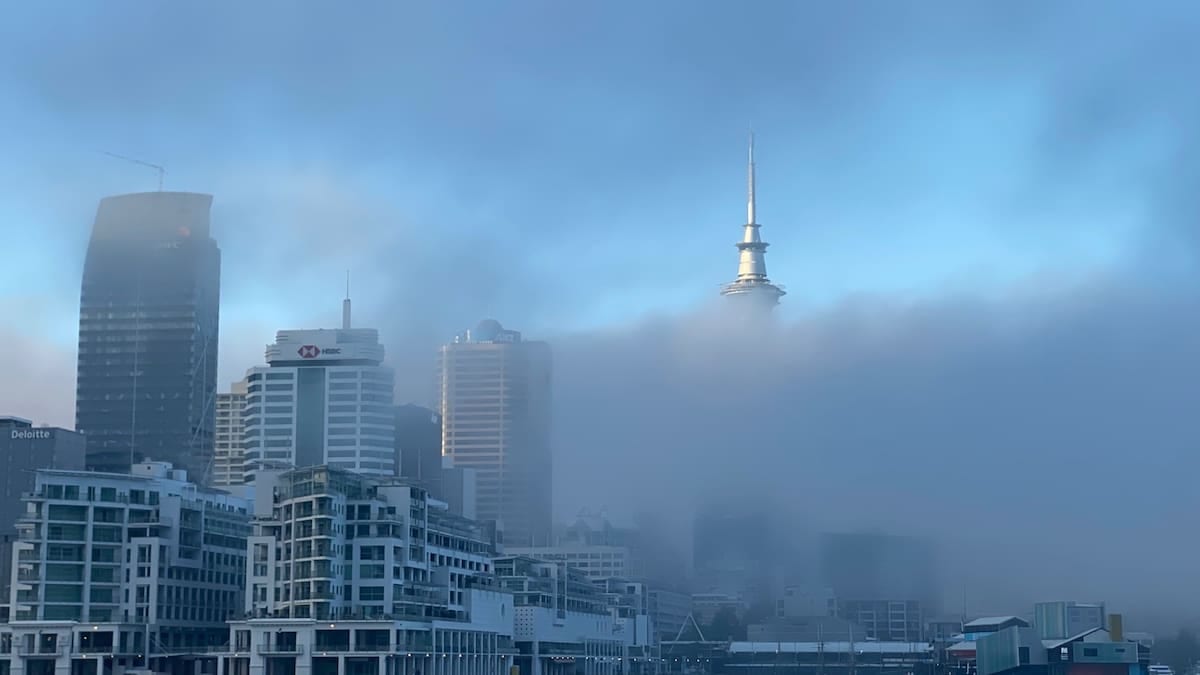
Low visibility slows arrivals and departures
Published flight and airport data show that dense fog significantly reduced visibility at Auckland Airport early in the day, forcing a slower flow of aircraft movements and triggering delays across the schedule. Several early-morning arrivals were held or diverted, while departures faced extended waits on the ground as conditions gradually improved.
According to publicly available airport arrivals and departures boards, a number of domestic services into Auckland were listed as delayed or cancelled during the morning peak, affecting routes to and from key centres such as Wellington, Christchurch and Queenstown. Some regional services were also disrupted, reflecting the sensitivity of smaller aircraft operations to low-visibility conditions.
Tracking information from flight-status platforms indicates that extended ground times and rescheduled arrival estimates were common on both domestic and international sectors touching Auckland. While some flights ultimately departed within a short delay window once visibility improved, others were pushed back by several hours or removed from the schedule entirely.
Meteorological information for the Auckland Airport area points to a band of low cloud and fog settling over the airfield in the early hours, a pattern that typically lifts by late morning but can cause several hours of disruption when it coincides with peak traffic.
Ripple effects across New Zealand and trans-Tasman routes
When early-bank flights from Auckland are disrupted, the impacts often spread across the rest of the day, and reports from flight-tracking services suggest that today’s fog followed that familiar pattern. Aircraft and crews scheduled to operate multiple legs were delayed in leaving Auckland, compressing turnaround times and creating challenges for maintaining on-time performance later in the day.
Domestic travellers connecting through Auckland to regional centres reported longer-than-expected layovers and tight connections as airlines worked to re-sequence aircraft. Some onward services departed with moderate delays as carriers attempted to restore their rosters and reposition planes that had started the day out of place.
Trans-Tasman links were also affected, with schedule data indicating disrupted timings on routes between Auckland and major Australian gateways. In some cases, services operated with revised departure and arrival times; in others, passengers were moved onto later flights to consolidate loads and free capacity in the network.
Industry observers note that the relatively dense scheduling of aircraft around Auckland means that a visibility-related slowdown during the morning peak can continue to influence operations into the afternoon, particularly where aircraft are cycling between New Zealand and Australian ports.
Recent pattern of weather-related disruption
Today’s fog event adds to a run of weather-related disruptions reported at airports across New Zealand and Australia in recent weeks. Publicly available performance summaries and consumer-rights analyses have highlighted seasonal fog and low cloud as recurring triggers for delays and cancellations, particularly during the cooler months.
In earlier incidents this winter, heavy fog in the Auckland region grounded or diverted a significant number of flights, with passengers sharing accounts of diversions to alternative airports and lengthy waits while conditions improved. Similar visibility challenges have been reported at other New Zealand airports, including Wellington and Christchurch, although Auckland’s role as a major hub means that any local disruption can quickly spread through connecting services.
Aviation performance reports for the region indicate that while airlines and air traffic management providers have been working to improve on-time performance, weather remains a principal factor outside their control. Fog, strong winds and low cloud, especially in coastal locations, are frequently cited as key contributors to schedule variability during winter.
Travel industry commentary suggests that the combination of busy post-pandemic demand, tight aircraft utilisation and seasonal weather volatility has left airlines with less flexibility to absorb disruption, making events like today’s fog episode more visible to passengers.
What affected travellers can expect from airlines
Passenger-rights information and airline policy statements generally classify fog-related disruption as a safety and weather issue, which typically limits the scope for financial compensation. However, publicly available guidance indicates that carriers are expected to provide assistance such as rebooking, meal vouchers or overnight accommodation in some circumstances, particularly when travellers are stranded away from home.
Consumer advocacy groups in New Zealand advise passengers to retain documentation of delays or cancellations, including boarding passes and written confirmations, to assist with any subsequent claims for support or reimbursement of reasonable expenses. Travellers are also encouraged to check the specific terms of their tickets, as conditions of carriage can vary between airlines and fare types.
Many airlines operating at Auckland Airport provide real-time updates via mobile apps, email and text alerts, and passengers whose flights are disrupted are advised by travel agents and industry guidance to monitor these channels closely. Same-day changes, including the option to move to a later service on the same route, may be offered during widespread disruption.
Travel insurance policies may offer additional protection in cases of extended delay or trip interruption, though coverage levels and qualifying thresholds differ between providers. Policy wording typically specifies minimum delay durations and eligible expenses, so passengers are urged to review their documents when weather affects their plans.
Advice for upcoming trips through Auckland Airport
For travellers with flights scheduled in the coming days, publicly available aviation and weather information highlights the importance of preparing for possible winter disruptions around Auckland. Fog is most common in the early morning, especially after calm, cool nights, raising the likelihood of delays during the first wave of departures and arrivals.
Travel planners recommend allowing extra time for connections through Auckland during this period, particularly for itineraries involving separate tickets or tight transfer windows. Where possible, selecting slightly later morning or midday departures may reduce exposure to low-visibility conditions that are more prevalent at dawn.
Passengers are encouraged by airline and airport guidance to confirm their flight status before leaving for the airport and to build some flexibility into ground transport and accommodation plans. For those starting long-haul journeys in Auckland, considering an overnight stay close to the airport before an early international departure can also provide a buffer in case of schedule changes.
While fog-related disruptions are typically short-lived and clear once conditions improve, today’s events at Auckland Airport illustrate how quickly local weather can affect travel plans across the wider New Zealand and trans-Tasman network, particularly during the mid-winter travel season.