


Standing on the Bosphorus with only a few vacation days to spare, many visitors to Istanbul face the same dilemma: if you have time for only one grand palace, should it be Topkapı or Dolmabahçe? Both are headline attractions, both are expensive by local standards, and each offers a very different window into Ottoman power. This guide compares the two in practical, on-the-ground terms so you can decide which palace genuinely deserves your time, money and attention.
Get the latest updates straight to your inbox!
The Short Answer: Different Palaces for Different Travelers
If you care most about deep history, courtyards and panoramic views, Topkapı Palace is usually the better use of a single half day. It was the seat of the Ottoman sultans for roughly four centuries and feels like a self-contained city above the Bosphorus, with layered courtyards, intimate pavilions, and major collections of Islamic art and relics. Many travelers leave feeling they have touched the heart of imperial Istanbul.
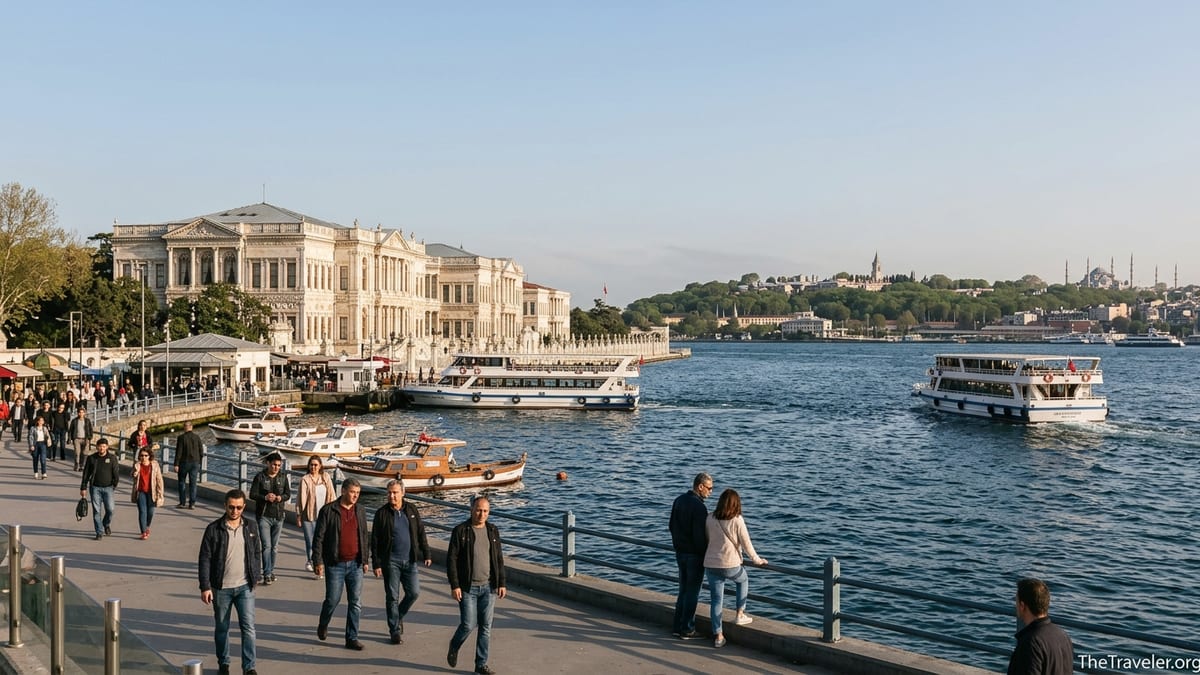
If you are more drawn to European-style opulence, chandeliers, and 19th century glamour, Dolmabahçe Palace may fit you better. Completed in the mid-1800s, it faces the water directly and looks more like a grand Parisian or Viennese residence. Inside, everything is about spectacle: crystal staircases, massive ballrooms, and ornate ceilings that overwhelm more than they invite quiet exploration.
In practice, visitors with three days or more in Istanbul often see both. But if you are squeezing the city into a layover or a weekend, your decision should come down to budget, your tolerance for queues and crowds, what kind of architecture you prefer, and whether you want a flexible wander or a more controlled, linear visit.
The sections below break down the experience in detail, using current 2026 prices, real ticket types, and common visitor patterns to help you decide with confidence.
History & Atmosphere: Living Museum vs Grand Showpiece
Topkapı Palace is the older and more sprawling of the two. Built shortly after the Ottoman conquest of Constantinople, it served as the political and ceremonial center of the empire for around 400 years. Walking through its four main courtyards feels like moving through time: you start in wide squares flanked by kitchens and barracks, then progress to ever more restricted spaces, ending in intimate gardens, tiled pavilions and the Harem. This layered layout means you can step away from groups and find quiet corners under plane trees or along terrace walls overlooking the Bosphorus.
The overall atmosphere at Topkapı is that of a lived-in complex rather than a single show hall. You might pass a group of Italian schoolchildren in the Imperial Council Chamber, then stroll solo through the calligraphy collection or pause in the circumcision room to examine tilework up close. On a clear afternoon, standing by the kiosks facing the Golden Horn, you still get the sense of a capital ruled from above, with ships gliding far below.
Dolmabahçe Palace reflects a totally different Ottoman moment. By the time it was built in the 19th century, the empire was increasingly oriented toward Europe, and the sultans wanted a residence to match European royal courts. From the ornate gates on the waterfront to the crystal staircase and enormous ceremonial hall, the message is about catching up with Paris, Vienna and St Petersburg. Inside, you follow a mostly fixed route through reception rooms, state halls and the Harem, surrounded by gilded moldings, thick carpets and imported furniture.
Where Topkapı invites you to wander and imagine everyday court life over centuries, Dolmabahçe feels like stepping into a carefully staged set-piece: spectacular, impressive, and a little rigid. For some travelers that theatrical quality is the highlight; for others it feels less personal than Topkapı’s rambling courtyards.
Tickets, Costs & Value for Money in 2026
In 2026, both palaces are among the most expensive museum experiences in Istanbul for foreign visitors, and recent price rises surprise many travelers. For Topkapı Palace, the combined ticket that covers the main palace, the Harem and Hagia Irene is currently in the ballpark of 2,750 Turkish lira for foreigners, roughly equivalent to around 60 US dollars depending on exchange rates. Harem-only or Hagia Irene-only tickets are significantly cheaper but still represent a substantial outlay by local standards.
Dolmabahçe Palace uses a different pricing structure under the National Palaces administration. Recent 2026 information suggests a combined ticket for the main palace (Selamlık) plus the Harem is around 1,800 lira for foreign visitors, with separate cheaper tickets for just the Selamlık or just the Harem, and a modest extra fee for the Painting Museum. In practice, many international visitors end up paying close to the combined rate because skip the line or guided packages promoted online fold these sections together and quote prices in euros or US dollars.
In real terms, if you are a couple visiting on a moderate budget, doing both palaces can easily mean spending the equivalent of 200 US dollars or more on entry fees alone once you add optional audio guides or basic guided tours. For example, a guided small-group Topkapı Palace tour with Harem access often lists for around 50 to 90 US dollars per person, while Dolmabahçe tours that include priority entry can easily be priced similarly. That is before you pay for any city passes or combo Bosphorus cruise deals that bundle Dolmabahçe with other attractions.
Because of this, value for money matters. Travelers who are particularly interested in Islamic art, Ottoman court life, and city views usually feel Topkapı justifies its cost, especially if they allow at least three hours and use an audio guide or well-reviewed local guide. Visitors who are fans of grand 19th century interiors, chandeliers and palace staircases often come away satisfied with Dolmabahçe. If you simply want one representative palace experience at the lowest overall cost, Dolmabahçe’s combined ticket can come out slightly cheaper than doing Topkapı with the Harem and a guide, but the difference narrows quickly if you add tour services.
Location, Logistics & How Each Visit Flows
Topkapı Palace sits at the tip of the historic peninsula, a short walk uphill from Sultanahmet Square. For most first-time visitors staying in Sultanahmet or along the tram line, it is an easy morning outing: you can combine it with the Blue Mosque, Hagia Sophia, the Basilica Cistern and lunch in the old city. The entrance is near the outer walls of the palace complex; once inside, you move between courtyards and indoor exhibitions at your own pace. There is some climbing on cobbled slopes and steps, but you can structure your visit around breaks in shaded gardens or simple cafes inside the grounds.
Dolmabahçe Palace lies on the European shore of the Bosphorus in Beşiktaş. Many visitors reach it by tram to the Kabataş terminus or ferries from the Asian side, then walk a few minutes along a busy waterfront road. Its position means you can pair a morning inside the palace with an afternoon Bosphorus cruise leaving from nearby piers, or spend the rest of the day in the cafes and streets of Beşiktaş and Karaköy. The approach is flatter than Topkapı’s hill, but large groups and tour buses often cluster around the security entrance and ticket area.
Inside, the flow differs sharply. Topkapı is semi-freeform: you decide when to detour into the Treasury, browse ceramics, or queue for the Harem. You may find bottlenecks in certain rooms, but you can often change direction or explore another courtyard until a space clears. At Dolmabahçe, much of the palace is visited along a fixed route. Staff and barriers guide you through specific rooms, often in sync with audio guide stops or timed group entries. If you prefer to linger over a particular painting or ceiling, this structure can feel restrictive; if you like a clear path that ensures you do not miss the highlights, it can be reassuring.
For airport layovers or cruise-ship passengers trying to “do” Istanbul in a day, location usually tips the balance toward Topkapı, simply because it sits amid so many other must-see sights. However, if your hotel is near Taksim or in Beşiktaş, a morning walk to Dolmabahçe followed by a Bosphorus cruise may be logistically smoother than crossing to Sultanahmet during rush hour.
Crowds, Queues & Best Times to Visit
Both palaces see heavy visitor numbers from roughly April through October, but the way those crowds feel is different. Topkapı’s broad outdoor areas and multiple buildings spread people out, so while the main ticket line and security can snake across the entrance courtyard, once you pass through, you usually find pockets of relative calm. Lines tend to form at the Harem entrance, at security scanners, and around particularly famous rooms or relic displays, but you can step away to gardens or less-known exhibitions when it gets too dense.
Dolmabahçe concentrates people into a narrower footprint. Even though it has expansive gardens facing the Bosphorus, most visitors spend the bulk of their time inside the palace on the guided circuit. This can mean slow-moving clusters in corridors or staircases, especially when multiple tour groups coincide. On a July afternoon, it is not unusual to shuffle from room to room at a set pace, with limited opportunities to go back for another look.
To manage this, timing matters. For both palaces, arriving at or soon after opening time on regular weekdays generally offers the best experience. For instance, heading to Topkapı around 9 am often lets you clear security quickly and explore the outer courtyards in relative quiet before large tour groups arrive closer to 10 am. Many travelers who show up at Dolmabahçe right as ticket offices open report a smoother entry, while those arriving mid-morning or early afternoon in peak season can wait much longer for both tickets and the start of palace circuits.
Another strategy is to aim for shoulder seasons. In March, early April, late October and November, you are more likely to experience both palaces under softer light and with lower tour-group density, although weather can be cool and occasionally wet. If your Istanbul stay falls in midsummer and you dislike crowds, you may find Topkapı’s open-air layout more bearable than Dolmabahçe’s more controlled, corridor-based visit.
Collections, Interiors & What You Actually See
At Topkapı Palace, the interest lies partly in the buildings themselves and partly in the collections. The Treasury houses jeweled objects and ceremonial pieces associated with Ottoman power. The Sacred Relics section is particularly important for many Muslim visitors, containing items attributed to the Prophet Muhammad and other revered figures. Even for non-religious visitors, the combination of architecture, calligraphy and the murmured recitation of the Quran piped into the space creates a very distinctive atmosphere.
The Harem at Topkapı, which requires a separate ticket or combined pass, is often the highlight. It reveals the more private side of palace life: tiled corridors, small courtyards, fountains and apartments for the sultan’s family. The details are intimate rather than grand: multicolored Iznik tiles, stained glass, and carved wooden shutters. Visitors who enjoy photography often spend most of their time here and in the seaside pavilions, capturing patterns and light rather than big, showy halls.
Dolmabahçe’s appeal is more obviously visual from the moment you enter. The palace is famous for its enormous crystal chandeliers, including one in the Ceremonial Hall often described as one of the largest in the world, as well as its broad stairways and gilded ceilings. Rooms are densely decorated with European-style furniture, heavy curtains and large oil paintings. The Harem section here is grander and more Western in feel than Topkapı’s, reflecting 19th century tastes.
However, the density of decoration at Dolmabahçe can also be tiring. If you are not particularly interested in period furniture or elaborate plasterwork, one state room can begin to look like the next. Topkapı, with its greater variety of spaces, can feel more varied over a three-hour visit. Many travelers also appreciate that at Topkapı you can occasionally step out onto terraces or into gardens between gallery visits, which breaks up the visual intensity.
Photography, Practical Comfort & Accessibility
Photography rules differ and are subject to change, but visitors consistently report that Topkapı is generally more relaxed for personal photography in outdoor courtyards and many interiors, though flash is often prohibited. This makes it easier to capture views over the Bosphorus, tilework in pavilions, and atmospheric shots in shaded gardens. It is still important to respect posted signs, especially in areas housing religious relics or fragile artifacts, where camera use may be restricted.
At Dolmabahçe, restrictions are usually tighter in the most elaborate interiors. In some recent seasons, photography inside the main palace rooms has been completely banned or limited to specific areas, partly to protect interiors and partly to keep groups moving. This means your photographic record may be largely confined to the exterior, the Bosphorus-facing gardens and designated zones inside. If getting detailed interior shots is a top priority, Topkapı generally offers more flexibility.
In terms of comfort, both palaces involve a lot of walking on stone floors. Topkapı adds gentle inclines and cobbles, while Dolmabahçe’s interiors are flatter but require standing in slow-moving lines. In hot months, Topkapı’s gardens and tree cover can make the experience feel less stuffy than indoor-heavy Dolmabahçe. On the other hand, in winter or on rainy days, Dolmabahçe’s largely indoor circuit is more comfortable, while parts of Topkapı can feel windswept.
Accessibility is improving but uneven at both sites. Topkapı’s historic layout, with its steps and uneven surfaces, can challenge visitors with reduced mobility, though some routes and sections are more accessible than others and ramps have been added in certain areas. Dolmabahçe’s corridors and stairs pose their own issues, especially when crowded. Travelers using mobility aids or visiting with older relatives may want to research the latest accessibility details in advance and consider private guiding services that can adapt pacing and routes.
Which Palace Suits Which Traveler?
For first-time visitors staying near Sultanahmet with two or three full days in Istanbul, Topkapı Palace is typically the stronger all-around choice. Paired with the Blue Mosque, Hagia Sophia and the Grand Bazaar, it completes a coherent picture of the historic city. You can easily slot it into a morning or afternoon without crossing the city, and the combination of architecture, collections and views gives a broad introduction to Ottoman power.
Dolmabahçe shines for travelers particularly interested in the late Ottoman and early republican period, or for those staying near Taksim, Beşiktaş or along the Bosphorus. If you plan a day that includes a Bosphorus cruise, a visit to the Dolmabahçe Mosque, and coffee in Beşiktaş, walking through the palace becomes a natural centerpiece. It can also appeal to visitors who have already seen European palaces like Versailles or Schönbrunn and are curious how Istanbul’s rulers tried to match that standard.
Budget travelers or those feeling “museum fatigue” might choose one palace only. In that case, think concretely about what excites you. If your favorite moments in cities like Granada or Fez were courtyards, tiles and layered Islamic architecture, Topkapı is more likely to resonate. If you loved the grand ballrooms of Vienna or the ornate halls of St Petersburg, Dolmabahçe is closer in spirit. Families with children often find Topkapı’s open spaces and varied layout easier for young attention spans, while adults who enjoy guided storytelling and dramatic interiors sometimes prefer Dolmabahçe’s structured visit.
Finally, consider the season. On a mild spring morning with blue skies, wandering Topkapı’s gardens and terraces can be magical. On a cold, rainy January afternoon, Dolmabahçe’s interior-heavy route may be a more comfortable and equally memorable way to spend a few hours indoors.
The Takeaway
If you can only choose one, Topkapı Palace usually deserves the priority for most first-time visitors, especially those focused on the historic peninsula. It offers a deeper sense of Ottoman history, more varied spaces, and iconic views over Istanbul, even if its ticket prices have climbed sharply. Allow at least three hours, budget for the Harem, and use either an audio guide or a well-reviewed local guide to bring the complex to life.
Dolmabahçe Palace is not a consolation prize. It is a spectacular, photogenic statement of late Ottoman ambition, particularly rewarding if you are staying near the Bosphorus or have a strong interest in 19th century interiors and the final chapters of the empire. Its combined ticket can work out slightly cheaper in some cases, and pairing a visit with a Bosphorus cruise or a walk through Beşiktaş creates a memorable modern Istanbul day.
Ideally, spread your time so that you can experience both palaces on different days, each framed by nearby neighborhoods. But if time and budget force a choice, use this comparison to match the palace to your interests and your itinerary instead of simply following a list of “top sights.” Istanbul’s palaces reward deliberate decisions, and the one you choose will shape how you remember the city’s imperial past.
FAQ
Q1. If I have only half a day in Istanbul, should I pick Topkapı or Dolmabahçe?
If your time is extremely limited and you are already near Sultanahmet, Topkapı usually makes more sense, since you can combine it with a quick walk around the Blue Mosque and Hagia Sophia without crossing the city.
Q2. Are ticket prices really much higher for foreigners at both palaces?
Yes. Both Topkapı and Dolmabahçe use differentiated pricing, and foreigners pay significantly more than local visitors. This is official policy rather than a scam, so be prepared for entry fees that can feel comparable to major Western European attractions.
Q3. Do I need to book tickets in advance for Topkapı Palace?
You can usually buy tickets on the day at the official ticket counters, but in high season advance online purchase or a guided tour with included entry can reduce waiting time and uncertainty, especially if your schedule is tight.
Q4. Can I visit Topkapı and Dolmabahçe on the same day?
It is possible but not ideal. Each palace can easily absorb two to three hours, and moving between Sultanahmet and Beşiktaş takes additional time. Most visitors enjoy both more if they spread them over separate days.
Q5. Which palace is better for photography?
Topkapı is generally better for varied photography, with more freedom in outdoor areas, panoramic city views and abundant tilework. Dolmabahçe offers striking exteriors and waterfront shots, but interior photography is often more restricted.
Q6. Is the Harem worth the extra cost at Topkapı Palace?
For many visitors, yes. The Harem at Topkapı reveals the more private, architectural side of palace life, with some of the most beautiful tiles and interiors. If your budget allows, it significantly enriches the visit.
Q7. Is Dolmabahçe Palace included in the main Istanbul museum passes?
Dolmabahçe is administered separately under the National Palaces system, so many standard museum passes do not cover it. Always check the latest conditions for any pass you are considering to see whether Dolmabahçe is included or requires a separate ticket.
Q8. Which palace is easier to visit with children?
Topkapı often works better for families because of its open courtyards, gardens and more flexible routes. Children can move a little more freely, and you can take breaks between indoor sections rather than following one continuous, controlled circuit.
Q9. Are there good food options near each palace?
Around Topkapı, you will find many simple restaurants and cafes in Sultanahmet within a few minutes’ walk, ranging from kebab houses to pastry shops. Near Dolmabahçe, Beşiktaş and Karaköy offer lively dining scenes with everything from traditional lokantas to modern coffee bars.
Q10. If I have already visited European palaces like Versailles, will Dolmabahçe still feel special?
Yes, although it may feel somewhat familiar in style. What makes Dolmabahçe distinctive is its setting on the Bosphorus and its role in late Ottoman and early republican history, so consider it as both a European-style palace and a chapter in Istanbul’s unique story.