


More news on this day
Major wildfires in Spain and France have triggered mass evacuations and transport disruption in several regions, yet most organized tours and river cruises in the two countries continue to operate, using itinerary changes and contingency plans to keep trips running.
Get the latest news straight to your inbox!
Fires Disrupt Regions, but Core Tourism Corridors Stay Open
Wildfires since mid-July have affected swaths of southwest France, including Gironde and Landes, and several inland areas of Spain, with hundreds of thousands of residents and visitors temporarily displaced in recent days. Published coverage by European and international outlets describes fires close to popular Atlantic and interior destinations and unprecedented seasonal heat. In response, local governments have imposed access restrictions in some forested zones and moved people away from high-risk areas.
Despite the severity of individual fires, most core tourist cities and major infrastructure in Spain and France remain open. Airports in hubs such as Madrid, Barcelona, Málaga, Paris and Lyon have been operating, while national rail services have largely maintained schedules aside from local slowdowns and occasional diversions. Publicly available information from civil protection agencies in both countries points to targeted road closures near fire fronts and precautionary shutdowns of rural campgrounds and nature trails rather than broad travel bans.
For travelers on pre-booked itineraries, the result is a patchwork of disruption rather than a blanket halt. Popular coastal and river regions are experiencing smoke and heat impacts that vary by day and wind direction, but most urban sightseeing programs and intercity connections are still running, allowing tour providers to continue operations with adjustments.
River Cruises on the Rhône, Garonne and Iberian Rivers Largely Proceed
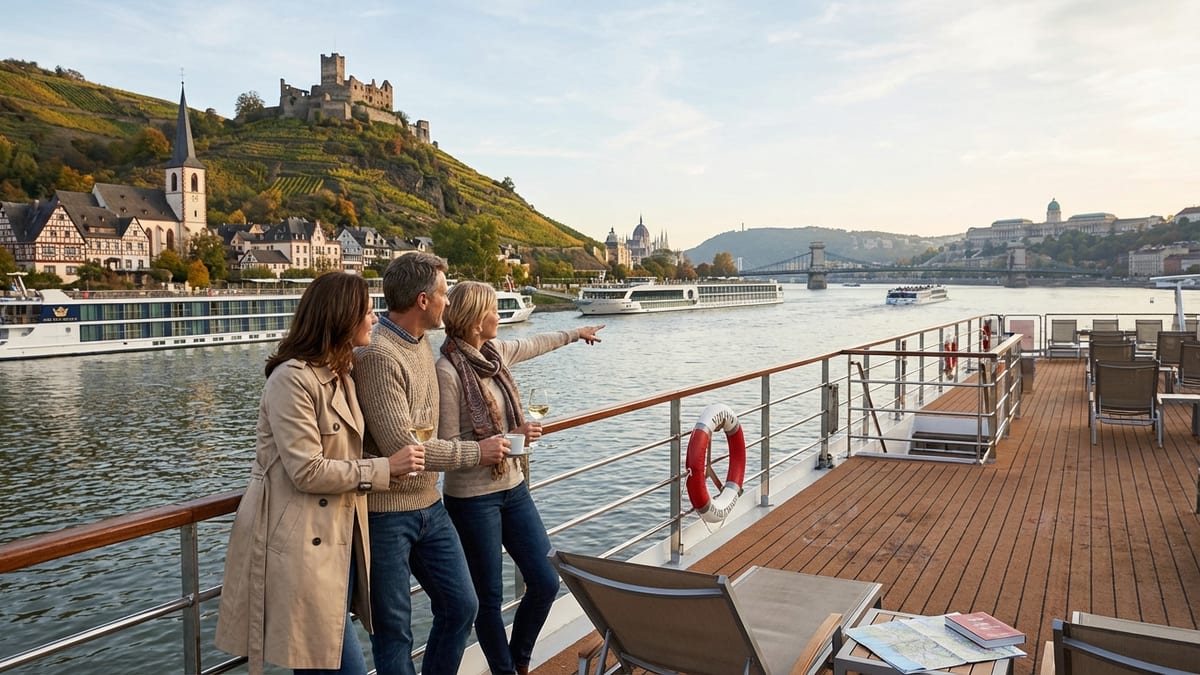
River cruising, a key segment for international visitors to France and Spain, has remained broadly operational. Industry updates and recent brochures for the 2026 season show scheduled departures continuing on rivers such as the Rhône and Saône in France and the Douro, Guadalquivir and Ebro catchment areas on the Iberian Peninsula. Operators have not announced large-scale cancellations across these programs in the latest public communications.
Companies are instead refining day-to-day routing. In southern France, itineraries on the Rhône that include Provençal countryside excursions are being monitored against local fire-risk bulletins and drought alerts. Where access to certain forested viewpoints or rural villages is restricted, cruise lines have been substituting more time in cities such as Avignon or Lyon or rerouting coach excursions along safer corridors while maintaining the core sailing schedule.
In Spain and neighboring Portugal, Douro sailings and cultural cruises that focus on port wine regions and historic river towns are still operating, according to recent travel trade notices. When smoke has reduced visibility or air quality on specific days, operators have reported trimming panoramic touring or rescheduling outdoor activities for cooler, less smoky hours, while preserving the core onboard experience.
Coach Tours Adjust Routes Around Evacuation Zones
Land-based escorted tours have been among the most directly affected by the fires, particularly those that rely on scenic backroads, hiking stops and coastal campgrounds in regions near current fire zones. Reports from travelers and tour industry briefings describe coaches rerouting around active evacuation areas in southwest France and central Spain, sometimes adding driving time or skipping smaller towns.
Some itineraries that typically feature nights in rural properties have been modified, with groups shifted to hotels in larger regional centers where accommodation and emergency services are more robust. In parts of Occitanie, Nouvelle-Aquitaine and inland Castilla-La Mancha, this has translated into fewer overnight stays in forest-fringed villages and more time in medium-size cities that lie outside immediate risk areas.
Tour organizers have also been leaning on flexibility clauses to change sightseeing on short notice. When local authorities close forest access or cancel outdoor events because of fire danger or extreme heat, guides have been replacing hiking or countryside picnics with museum visits, indoor tastings or alternative coastal viewpoints that remain accessible. While this can alter the character of a trip, it has allowed most departures to proceed rather than be called off entirely.
Health, Air Quality and Insurance Now Central to Planning
The smoke impacts from the fires are pushing health and safety considerations to the forefront of travel decisions. Public health agencies and environmental monitors in both countries have highlighted elevated particulate levels in certain regions on some days, especially close to major fire complexes. Travel industry advisories now regularly encourage visitors with respiratory or cardiac conditions to review destination air-quality forecasts and pack appropriate medications and masks.
Tour operators and cruise lines are incorporating air-quality checks into daily planning, adjusting outdoor excursions when indices climb and favoring indoor or shaded activities during the hottest and smokiest periods. Some companies have been reminding guests to keep windows closed on coach transfers in affected corridors and to use onboard ventilation systems rather than relying on natural airflow when smoke is visible.
Insurance and booking flexibility are also becoming more prominent. Many providers are emphasizing policies that allow changes if a traveler’s home government issues new advisories for specific regions or if key services such as ports or rail lines are temporarily closed. Travelers booking late-summer and shoulder-season trips to Spain and France are being urged by consumer advocates to look carefully at wildfire and air-quality clauses within cancellation and interruption coverage.
Future Bookings Hold, but Climate Risks Shape Expectations
Even as emergency teams remain active on the ground, indicators from tourism boards, cruise companies and travel agencies suggest that demand for Spain and France remains resilient. River cruise departures for late summer and autumn are still being marketed, and tour programs for 2027 in regions such as Provence, the Rhône Valley, Andalusia and northern Spain are already on sale. Early booking patterns point to continued interest in vineyard, coastal and cultural itineraries.
At the same time, climate-related risk is increasingly factored into both product design and traveler expectations. Operators are reviewing the timing of certain itineraries, placing more trips in spring and late autumn and considering shorter stays in the most fire-prone inland areas at the height of summer. Some are expanding offerings in coastal cities and higher-altitude regions that may be less exposed to peak wildfire conditions.
For travelers, the current season in Spain and France illustrates a new normal in which tours and river cruises can continue despite large-scale fires, but with a greater need for flexibility, close monitoring of official updates and thoughtful preparation for heat and smoke. Tourism is still moving, yet it is moving with more caution and contingency planning than in past summers.