


More news on this day
Emergency crews in Valencia County, New Mexico responded to a freight train fire along a busy rail corridor, briefly disrupting traffic and drawing renewed attention to safety and hazardous materials movements through the region.
Get the latest news straight to your inbox!
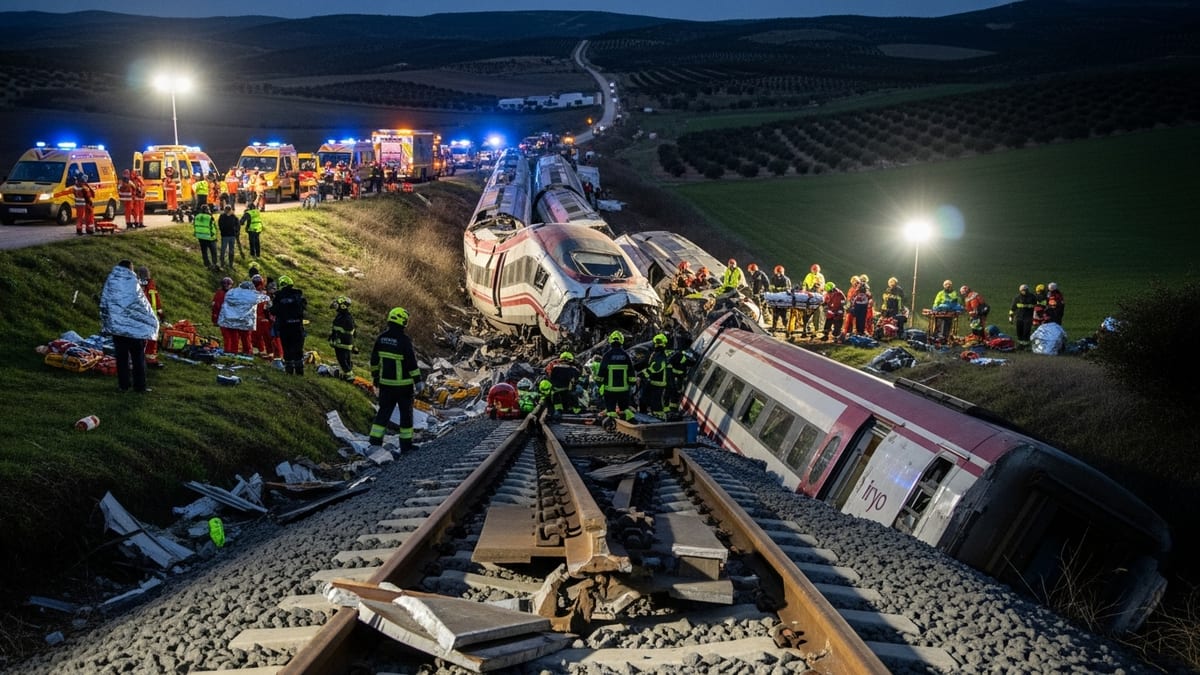
Crews Tackle Blaze Along Key Freight Route
Initial reports indicate that a freight train traveling through Valencia County experienced a fire in part of its consist, prompting a rapid response from local fire services and emergency personnel. The incident occurred along a heavily used freight rail line that carries trains between central New Mexico and other parts of the Southwest, a corridor known for frequent train movements.
Publicly available information suggests that fire crews concentrated on controlling the flames on or near several railcars while also monitoring nearby vegetation and infrastructure. The response focused on keeping the fire from spreading beyond the immediate area of the tracks, as the region is vulnerable to fast-moving blazes during the warm, dry months.
Images and early coverage show emergency vehicles staged along access roads parallel to the tracks, with responders working from both sides of the line where terrain allowed. Observers described light to moderate smoke visible from nearby communities before the fire was contained.
Rail traffic through the area was temporarily halted while crews worked, with freight trains reported waiting on sidings up and down the line. The stoppage added delays to an already busy rail corridor that regularly sees dozens of trains each day.
Concerns About Hazardous Cargo and Community Safety
Published coverage indicates that investigators are reviewing what types of cargo were being transported on the affected train and whether any hazardous materials were involved. Freight trains moving through Valencia County routinely carry a mix of consumer goods, industrial materials and, at times, fuels or chemicals that require special handling.
Although early reports did not point to large-scale releases, any train fire along this corridor tends to heighten public concern because of the proximity of communities, agricultural land and road crossings. Residents in small towns near the tracks are accustomed to frequent train horns and long freight consists, and incidents such as this fire revive long-running discussions about evacuation readiness and communication with the public.
Safety advocates in New Mexico have previously highlighted the challenges local departments can face when responding to rail incidents, particularly in rural stretches where access to the tracks may be limited to dirt roads or ranch crossings. The latest fire has renewed attention on the importance of specialized training for handling rail equipment, hazardous cargo markings and coordination with railroad operators.
Environmental groups also monitor such events closely, noting that fires involving fuel or chemical cargo can pose risks to soil, air quality and nearby waterways if not swiftly contained. In this case, early information pointed to a relatively localized fire, but follow-up assessments are expected to focus on any residual contamination near the right of way.
Rail Disruptions and Travel Ripple Effects
The busy central New Mexico rail spine serves both long-distance freight operations and the region’s broader transportation system, so any incident can have cascading effects. While the current fire primarily affected freight, delays to through traffic can alter schedules across multiple states as dispatchers reroute or hold trains.
Passenger services that share or intersect freight corridors in the state are also vulnerable to knock-on delays when track time is restricted. Even when passenger trains do not pass the exact incident site, congestion elsewhere on the network can lead to slower journeys and schedule adjustments.
Travelers driving through Valencia County may also encounter indirect effects when railroad-related incidents occur near highway crossings. When trains are stopped for extended periods, grade crossings can remain blocked, forcing drivers to seek alternate routes and complicating access for emergency vehicles. Publicly available planning documents for the county have previously underscored the importance of maintaining clear routes for first responders in areas where rail lines intersect local roads.
For tourism and long-distance travelers moving through New Mexico, the fire serves as a reminder that rail infrastructure supports not only cargo but also the flow of visitors, supplies and fuel. Delays affecting freight can ripple into distribution schedules for consumer goods, including those that serve hotels, restaurants and tourism businesses in Albuquerque, Santa Fe and smaller communities along the corridor.
Regional Context: Fire Risk and Rail Infrastructure
The incident comes against a broader backdrop of elevated fire risk across central New Mexico during the summer months. Community wildfire planning materials for Valencia County describe how dry conditions, high winds and human activity can combine to increase the likelihood of both wildland and structural fires in the region. Rail lines that cut through grasslands, brush and bosque areas can become ignition sources when mechanical failures, sparks or hot components coincide with dry fuels.
Local and state agencies have invested in training for wildland and structural fire response, including courses that address coordination between different departments and agencies. Rail-related fires occupy a specific niche within that training, because responders must balance close work around large, heavy equipment with the need to protect surrounding land and nearby communities.
Past planning work involving Valencia County has also highlighted the sheer volume of freight train traffic along some segments, which can complicate emergency planning. When trains are queued on single-track or constrained sections, responders need clear communication on train movements, cargo types and safe access points along the right of way.
Infrastructure proposals in recent years have underscored how grade separations and improved crossings can reduce conflicts between rail and road traffic, while also ensuring fire and medical crews can reach incident sites more quickly. The latest fire is likely to feed into ongoing discussions about future investment along the corridor.
What Travelers Should Know
For visitors passing through central New Mexico by road or rail, reports on the train fire in Valencia County highlight the value of checking conditions before traveling. Freight disruptions generally resolve within hours, but residual congestion can linger on busy routes as rail operators work through backlogs.
Travelers using rail services that traverse the region can benefit from monitoring schedule updates and being prepared for potential delays when incidents occur along shared corridors. Even when passenger trains are not directly involved, operational restrictions placed on nearby tracks can alter timetables with little advance notice.
Those driving through Valencia County and neighboring areas are encouraged by public information sources to stay alert around rail crossings, particularly when emergency vehicles are present near the tracks. Detours, lane closures or temporary speed reductions may remain in place for some time while crews complete inspections and repairs following a fire.
The episode serves as another example of how infrastructure incidents in sparsely populated areas can still have outsized impacts on transportation networks and travel plans across a wider region. For New Mexico’s growing tourism sector, resilience along key freight and rail corridors remains an important underpinning of reliable access to the state’s cultural and outdoor attractions.