


More news on this day
Trinidad is entering another busy Caribbean cruise season with record projections for ship calls, bringing fresh attention to how the island’s port, tours and urban services are preparing to handle more visitors while maintaining safety and service standards.
Get the latest news straight to your inbox!
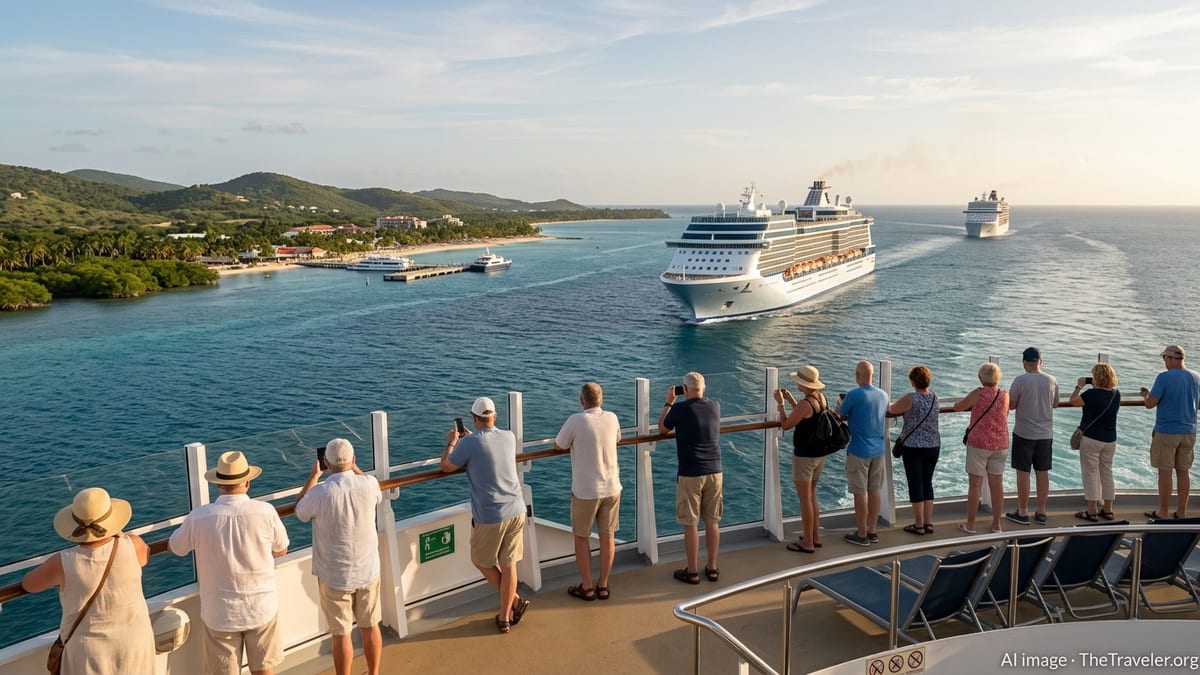
Cruise arrivals climb as new season gets under way
Recent cruise seasons have marked a clear rebound for Trinidad and Tobago, with official statistics showing a strong rise in passenger arrivals after the pandemic slump. Government economic reporting indicates that cruise traffic surged in 2023, when more than 139,000 passengers arrived on 86 vessels, and continued to grow into the 2023 to 2024 season with a double digit percentage increase in visitor numbers compared with the previous year.
Data released on the national open data platform, which tracks ship calls into Port of Spain, show a steady flow of cruise ship arrivals through early 2024, supported by multiple calls from mainstream Caribbean lines. Schedules published by the Port Authority list regular berthings at the Port of Spain Cruise Ship Complex, underscoring the role of the capital as Trinidad’s primary cruise gateway.
Tourism-focused media releases have highlighted that three cruise ships arrived at Port of Spain over just two days on February 27 and 28, 2024, bringing hundreds of visitors to the capital and signalling the strength of the 2023 to 2024 season. Industry coverage describes the period as one of the most successful cruise seasons in years for Trinidad and Tobago, with stakeholders reporting the highest activity since before the global health crisis.
Forward looking announcements also point to momentum carrying into the 2024 to 2025 season. Tourism Trinidad’s launch of the current season in November 2024 drew attention to the inaugural call of Oceania Cruises’ MS Nautica and described expectations for record cruise ship arrivals, suggesting that Port of Spain is consolidating its position on regional itineraries.
Infrastructure and terminal experience at Port of Spain
As ship calls increase, attention has turned to the handling capacity and visitor experience at the Port of Spain Cruise Ship Complex. Official documents outline continuing investments in port infrastructure, including berths and terminal facilities, intended to support larger vessels and more frequent arrivals. Publicly available cruise schedules and government economic reviews point to the Cruise Ship Complex as a key asset within Trinidad’s wider port network.
On arrival, passengers typically disembark directly into a controlled terminal area with immigration, customs and basic visitor amenities before moving toward transportation and the city. Commentary on travel forums indicates that shops and services in the immediate vicinity of the terminal are generally regarded as convenient and secure, although some visitors note congestion at peak times.
Traffic management around Port of Spain remains a recurring theme in visitor feedback. Cruise passengers posting real time impressions online frequently mention that heavy road traffic can lengthen transfers and city tours, particularly at rush hour. Local operators have responded by adjusting tour timings and recommending earlier departures for longer excursions in order to preserve time at key attractions.
Port information also shows a growing mix of traditional cruise ships and smaller expedition style vessels calling at Trinidad. The arrival of ultra luxury ships such as Seabourn Venture in October 2024 has been highlighted in government releases as an indicator that port services, security and logistical arrangements are aligning with the expectations of higher end cruise brands.
Onshore tours, safety perceptions and service quality
With more ships on the schedule, the quality of onshore experiences has become central to Trinidad’s cruise strategy. Tourism Trinidad’s destination marketing materials emphasize curated excursions from Port of Spain that showcase the island’s culture, including city heritage walks, culinary tours, and trips along the north coast and into the Northern Range. Press information around individual ship calls notes strong bookings for excursions such as scenic drives, beach outings and rural village visits.
Public discussion about safety remains a prominent factor shaping traveler decisions. Some potential visitors referencing United States travel advisories on social platforms express concern about crime levels and indicate that they may stay on board rather than disembark. At the same time, recent posts from passengers who visited Port of Spain in early 2024 describe positive experiences on organized tours and report feeling comfortable within managed excursion environments and around the terminal area.
These mixed perceptions have encouraged a focus on structured visitor services. According to published coverage, local destination management companies typically coordinate directly with cruise lines to provide vetted guides, monitored transport, and itineraries designed to keep groups within well used corridors and established attractions. This model aims to balance authentic interaction with the city’s everyday life and an emphasis on security and crowd management.
Consumer reviews suggest that responsiveness from guides and vendors is a key differentiator. Reports from the 2023 to 2024 season highlight friendly interactions at craft markets and food stalls, but also point to opportunities for more consistent signage, information desks and wayfinding in the wider downtown area for independent explorers who do not join ship tours.
Economic impact and the push to diversify offerings
Government economic reviews attribute a growing share of visitor arrivals to the cruise segment and link the rise in ship calls to increased spending in hospitality, transport and retail. One recent report notes that total international arrivals across all segments exceeded 460,000 in 2024, with cruise passengers representing a significant component of short stay visits. The same sources record a multi year upward trend in yacht arrivals, suggesting that nautical tourism more broadly is becoming a notable niche for Trinidad.
In Trinidad and Tobago’s twin island context, Tobago has recorded particularly sharp percentage increases in cruise visitors, with regional coverage citing a more than 50 percent rise for one recent season. That growth underscores how cruise travel is spreading economic benefits beyond Port of Spain, while also intensifying pressure on local authorities and businesses to ensure that services such as ground transport, guiding and beach facilities can absorb larger crowds.
Tourism planners are using these trends to argue for a broader menu of experiences that can disperse visitors. Destination marketing materials promote combinations of Carnival themed cultural events, eco tourism in the island’s forests and wetlands, and short stay add ons for cruise passengers who choose to fly in or out before or after a voyage. Publicly accessible policy documents highlight efforts to develop community based tourism enterprises so that more districts can benefit directly from cruise related spending.
Analysts of the regional cruise market note that itineraries increasingly favor ports that can demonstrate both adequate infrastructure and distinct experiences. For Trinidad, that puts a premium on continuing to refine visitor services that can deliver smooth transit through the port while giving passengers confident access to the island’s music, food and landscapes.
Service upgrades and digital tools aimed at cruise visitors
Alongside physical investments, attention is turning to service innovations and digital information for cruise travelers. Trinidad’s tourism agencies maintain online platforms with updated cruise schedules, event listings and practical advice, while the Port Authority publishes arrival calendars that allow tour operators and city businesses to plan staffing and inventory for high volume days. These tools are increasingly significant as forecasts for the 2024 to 2025 season point to record numbers of ships and passengers.
Stakeholders are also promoting the use of mobile friendly maps and apps that highlight attractions within easy reach of the port, including museums, public squares and dining districts. Discussions in traveler communities suggest that visitors appreciate clear guidance on areas considered suitable for independent exploration, approximate taxi fares and options for booking vetted drivers in advance.
There is growing emphasis on feedback loops to refine services. Monitoring of social media posts and online reviews allows destination managers to identify recurring issues such as congestion points, opening hours mismatches or limited restroom access at popular stops. In turn, this information is being used to adjust tour itineraries, encourage staggered departures and prompt improvements by private vendors who serve large numbers of cruise passengers.
As cruise arrivals continue to expand, the focus on visitor services from port arrival to city exploration is likely to shape how Trinidad is perceived in a competitive Caribbean cruise landscape. The ability to pair rising ship numbers with reliable, clearly communicated services on shore will help determine whether first time visitors choose to return for a longer stay.
Tourism Trinidad cruise arrivals update
2024-2025 cruise season launch media release