


More news on this day
An American Airlines flight from San Juan to Charlotte diverted to Miami on Tuesday after an episode of unexpected mid air turbulence, with early reports indicating that consistent use of seatbelts helped prevent broader injuries as the aircraft landed safely.
Get the latest news straight to your inbox!
San Juan to Charlotte Service Rerouted After Turbulence Event
American Airlines Flight 3187 departed Luis Muñoz Marín International Airport in San Juan on Tuesday morning, bound for Charlotte Douglas International Airport, when it encountered a pocket of turbulence en route over the Caribbean and the Bahamas corridor. Publicly available flight tracking data shows the aircraft, an Airbus A321 operating the scheduled service, diverting toward South Florida rather than continuing on its planned route to North Carolina.
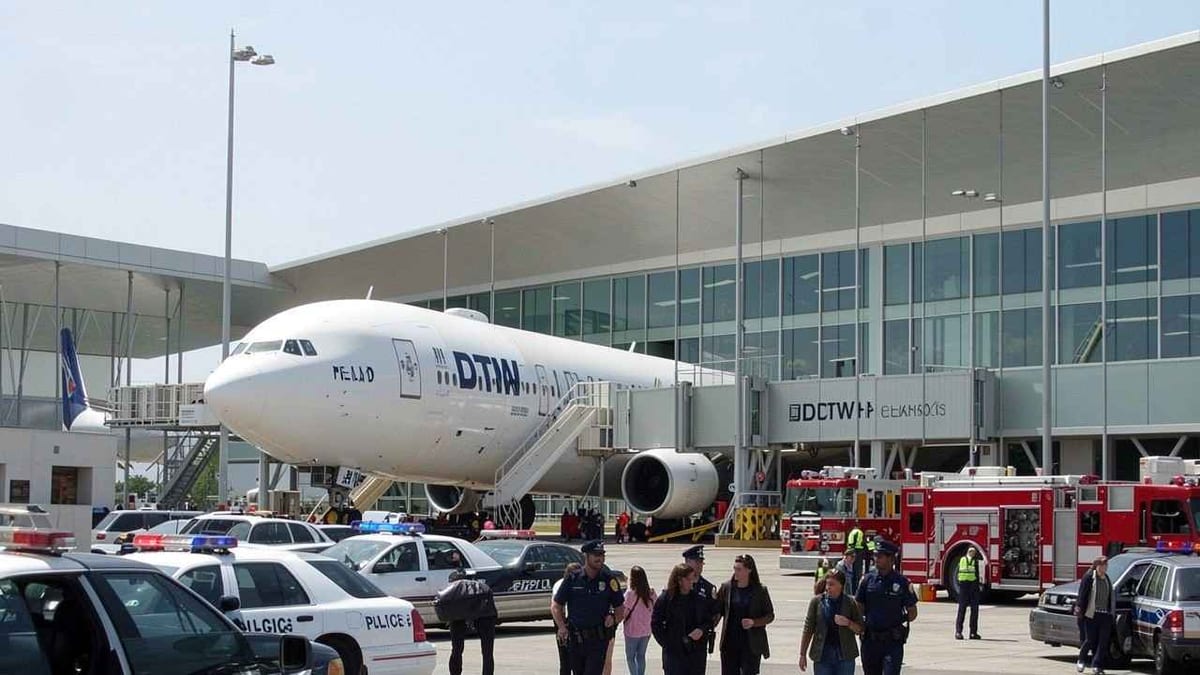
Coverage from aviation tracking platforms and regional outlets indicates that the crew elected to divert to Miami International Airport after the turbulence episode, where the aircraft landed without further incident. The flight was met on the ground by emergency response vehicles as a precaution, a standard procedure when an in flight irregularity or potential injury has been reported.
Local media in South Florida describe the event as a turbulence scare that prompted a route change rather than an emergency landing, noting that the aircraft remained under its own power and taxied to the gate after arrival. Passengers later continued their journeys on alternate connections once the aircraft was secured and the situation assessed on the ground.
Reports Highlight Role of Seatbelt Use in Preventing Injuries
Early summaries of the incident emphasize that most passengers remained seated with their seatbelts fastened at the time of the turbulence, which is being credited with preventing a higher number of injuries. Travel industry coverage notes that while at least one person required evaluation after landing, there were no widespread serious injuries among the passengers and crew on board.
The outcome is being cited by aviation analysts and safety commentators as a practical example of how routine seatbelt guidance can mitigate the impact of turbulence encounters. Even moderate or brief episodes can cause unrestrained passengers to jolt upward or sideways, particularly when an aircraft is cruising at altitude where sudden changes in air currents are more difficult to anticipate.
Publicly available information from aviation safety resources has long identified turbulence as a leading source of in cabin injuries, largely affecting those not secured by a seatbelt. The experience on Flight 3187 is consistent with that pattern, with the majority of travelers who complied with the illuminated seatbelt sign avoiding harm despite the sudden movement.
Weather and Turbulence Risks Along Caribbean and East Coast Routes
The San Juan to Charlotte corridor crosses regions that commonly see shifting weather patterns, including convective activity and upper level disturbances that can generate rough air, particularly in the warmer months. Meteorological outlooks for the Caribbean and western Atlantic on Tuesday pointed to areas of unsettled conditions and cloud formations along typical flight paths linking Puerto Rico with the U.S. mainland.
Aviation observers note that modern aircraft are designed to withstand significant turbulence and that such encounters are typically a comfort and safety management issue rather than a structural threat. However, even short lived turbulence can feel alarming for passengers, and airlines operating in and out of San Juan, Miami and Charlotte routinely adjust altitudes and routing in response to updated weather and air traffic control information.
On Flight 3187, the decision to divert to Miami rather than press on to Charlotte provided quicker access to a major hub with medical facilities and maintenance support, while also allowing the crew to avoid any additional areas of reported rough air along the remaining route. This type of diversion is generally viewed within the industry as a conservative safety choice made to prioritize the well being of passengers and crew.
Operational Response and Passenger Disruption
Once on the ground in Miami, Flight 3187 was positioned at a gate while responders checked on those on board and carried out standard post incident assessments. News images from the airport showed the aircraft parked with fire and rescue vehicles nearby, a visible sign of the precautionary measures commonly taken after a turbulence report.
Passengers experienced delays to their final destinations as airline staff worked to rebook onward connections to Charlotte and other cities. Travel industry reports describe the disruption as moderate compared with more severe events, with operations at Miami International Airport continuing without major knock on effects to the wider schedule.
For travelers, the incident served as a reminder of the potential for unexpected mid journey changes even on routine domestic and near Caribbean routes. While diversions of this kind are relatively rare compared with the number of flights that operate daily between Puerto Rico and mainland hubs, they highlight the importance of flexible planning and awareness that schedules can change quickly in response to safety considerations.
Seatbelt Guidance Back in Focus for Summer Travelers
The turbulence scare on the San Juan to Charlotte flight comes as airlines prepare for one of the busiest summer travel periods in recent years, with high passenger volumes projected across U.S. and Caribbean networks. Safety briefings consistently urge passengers to keep their seatbelts fastened whenever seated, even when the sign is off, but adherence can vary once a flight appears to be cruising smoothly.
Travel safety specialists and aviation commentators often point to turbulence events such as this one as real world examples of why that advice matters. The relatively limited number of reported injuries on Flight 3187, compared with what might occur if more passengers were standing or unrestrained, is being used to reinforce messaging directed at both frequent flyers and occasional vacation travelers.
With summer thunderstorms and evolving atmospheric conditions expected across the eastern United States and the Caribbean, airlines and regulators alike continue to highlight turbulence management and passenger awareness as key components of in flight safety. For those on board Flight 3187, the unexpected diversion to Miami appears to have concluded with a safe landing and minimal injuries, underscoring how adherence to basic cabin safety protocols can influence the outcome of a sudden mid air jolt.