


More news on this day
Turkey and Albania are entering a new phase of connectivity as Turkish Airlines launches daily flights between Istanbul and Tirana, a move expected to energize tourism, trade, and wider regional travel across the Balkans and beyond.
Get the latest news straight to your inbox!
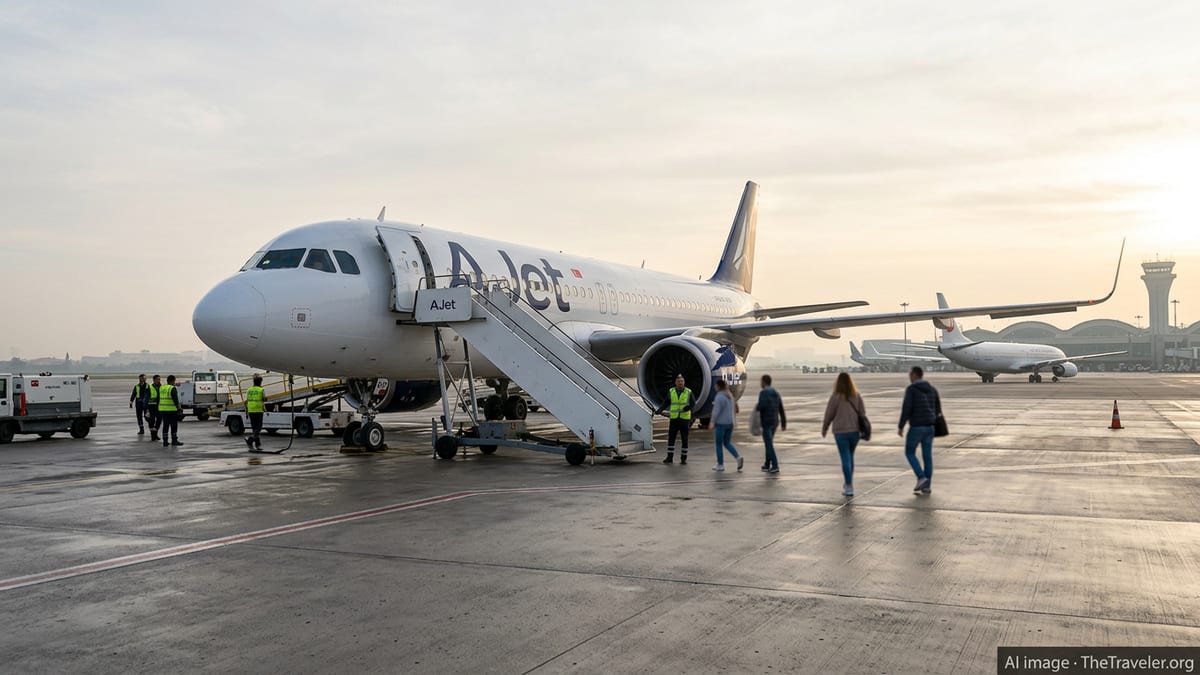
Daily Istanbul–Tirana Link Strengthens Air Bridge
Publicly available information from Tirana International Airport shows that Turkish Airlines began operating daily flights on the Tirana–Istanbul route from January 23, 2026, bringing the Star Alliance carrier back into the Albanian market with a regular schedule. The service connects Tirana International Airport Nënë Tereza with Istanbul Airport, the Turkish flag carrier’s primary global hub, on at least one daily rotation.
Airline schedule data indicates that the route is operated as a nonstop service of around one hour and forty-five minutes, using narrow-body aircraft suited to short and medium-haul sectors. On some days the airline offers an additional frequency, creating early-morning and evening options that appeal to both business travelers and visitors planning short breaks.
Turkish Airlines’ own route information highlights Istanbul–Tirana as a daily connection within its broader European network, reinforcing the carrier’s strategy of using high-frequency links from regional capitals to feed long-haul traffic through Istanbul. This approach positions Tirana as a fully integrated point on a global map of over 300 destinations served from Turkey’s largest aviation hub.
Reports from aviation industry outlets describe the relaunch as the restoration of a key air bridge that had been absent in recent years, when other carriers and connecting routings filled the gap. With Turkish Airlines now offering daily service, travelers between Turkey and Albania gain a direct, nationally branded option that also unlocks smoother onward journeys to Asia, Africa, and the Americas.
Tourism Flows Between Turkey and Albania Poised to Grow
Tourism officials and travel analysts have long identified Turkey as a major source market for visitors to Albania, with coastal resorts, cultural heritage sites, and city-break destinations drawing increasing numbers each year. Published coverage on the aviation restart suggests that the reinstated daily Istanbul–Tirana flights are expected to support these trends by simplifying access for both individual and group travelers.
For Albanian tourists, the daily connection opens easier access to Istanbul’s established role as a city-break favorite, as well as to Turkey’s resort areas on the Aegean and Mediterranean coasts via domestic connections. Istanbul’s appeal as a shopping, gastronomy, and cultural destination is already well known across the Balkans, and a predictable daily schedule from Tirana lowers barriers for weekend trips and short holidays.
Conversely, travelers from Turkey looking toward Albania gain more flexibility in exploring the Adriatic coastline, mountain regions, and historic towns. Travel industry reports note that Albania has been attracting rising numbers of regional visitors in recent seasons, and enhanced air connectivity is viewed as a key factor in sustaining this upward trajectory.
Regional travel specialists also point out that the Istanbul–Tirana link has a role beyond strictly bilateral tourism. The route can serve as a convenient gateway for visitors from the Middle East, Asia, and North America who transit through Istanbul and then continue to Albania, effectively placing Tirana within one-stop reach of long-haul markets that Turkish Airlines serves intensively.
Business, Trade, and Diaspora Travel Gain New Momentum
Turkey is widely regarded as one of Albania’s most important economic partners, with trade, construction, banking, and energy projects creating a dense web of commercial ties. According to publicly available commentary from Tirana International Airport, the arrival of Turkish Airlines as a daily operator aligns with strong and growing demand for corporate travel on this corridor.
Daily flights enable Albanian and Turkish business travelers to complete short visits with same-day or overnight itineraries, cutting down on travel time and reducing reliance on less direct routings through third-country hubs. Observers note that this convenience is particularly valuable for small and medium-sized enterprises, which often depend on cost-efficient, time-sensitive travel options.
Beyond formal business links, the Istanbul–Tirana route also serves extensive diaspora and family networks. Many Albanians live, work, or study in Turkey, and vice versa, creating consistent demand for visiting friends and relatives throughout the year. Industry coverage indicates that airlines often view this category as a stabilizing factor that supports route performance outside of traditional peak holiday seasons.
Logistics and trade analysts suggest that improved passenger connectivity can also have indirect benefits for cargo and small-scale trade, even when shipments move primarily via dedicated freight services. Closer links between decision-makers, easier site visits, and more frequent in-person meetings are all seen as contributing to more dynamic cross-border investment flows.
Istanbul Hub Connectivity Puts Tirana on the Global Map
Istanbul Airport has emerged as one of the world’s busiest international hubs, with Turkish Airlines using it as the centerpiece of a network spanning Europe, the Middle East, Africa, Asia, and the Americas. Publicly available timetable and route data show that the daily Istanbul–Tirana flights are scheduled to connect into a broad wave of long-haul departures, turning a short hop between the two cities into the first step of an intercontinental journey.
For passengers departing from Tirana, the new daily service can translate into one-stop access to cities such as New York, Tokyo, Singapore, Dubai, Johannesburg, and São Paulo, depending on seasonal schedules. Travel analysts observe that this level of connectivity is especially significant for a relatively small market like Albania, enabling it to plug into global travel flows without requiring multiple layovers.
The hub effect works in the other direction as well. Travelers originating in North America, Asia, or Africa who choose Turkish Airlines can now combine a long-haul flight to Istanbul with a short, coordinated connection to Tirana. Industry commentary indicates that this pattern supports the development of multi-country itineraries, where visitors might pair Albania with other regional destinations such as Montenegro, Kosovo, or North Macedonia.
Data on passenger volumes at Tirana International Airport in recent years show a sharp rise, with Turkey already among the top country markets served from the Albanian capital. The addition and stabilization of daily Turkish Airlines operations are expected to further embed Istanbul as a primary gateway for both inbound and outbound traffic, complementing existing services by other carriers and expanding overall seat capacity.
Regional Competition and Future Growth Prospects
The reinstated daily Istanbul–Tirana flights enter a competitive regional landscape, where carriers based in neighboring countries also vie for transfer traffic between the Western Balkans and long-haul destinations. Analysts monitoring the market note that airlines operating through hubs in cities such as Vienna, Rome, and Athens have traditionally attracted Albanian travelers seeking global connections.
By offering daily service and leveraging a large long-haul portfolio, Turkish Airlines is positioning itself as a strong alternative for these passengers, potentially prompting a reshaping of market shares over time. Some route-watchers suggest that sustained performance on the Istanbul–Tirana sector could trigger further capacity adjustments, including seasonal frequency increases or the deployment of larger aircraft during peak travel periods.
For policymakers focused on tourism development and economic diplomacy, the strengthened air bridge between Turkey and Albania is seen in published analysis as part of a broader trend of deepening regional integration. Improved connectivity often precedes or accompanies new investment projects, cultural exchanges, and educational partnerships, reinforcing the perception of Albania as a more accessible and attractive destination.
As the 2026 summer season approaches, booking patterns and load factors on the daily Istanbul–Tirana flights will offer an early indication of how strongly travelers respond to the renewed link. Industry observers will be watching whether demand from leisure, corporate, and diaspora segments meets expectations, and whether the route becomes a long-term pillar of Turkey–Albania connectivity in an increasingly competitive aviation landscape.