


More news on this day
British holidaymakers heading to Spain this summer are being urged to brace for long waits at passport control, with Palma de Mallorca and Alicante emerging as the two European airports most frequently criticised by UK travellers for border delays.
Get the latest news straight to your inbox!
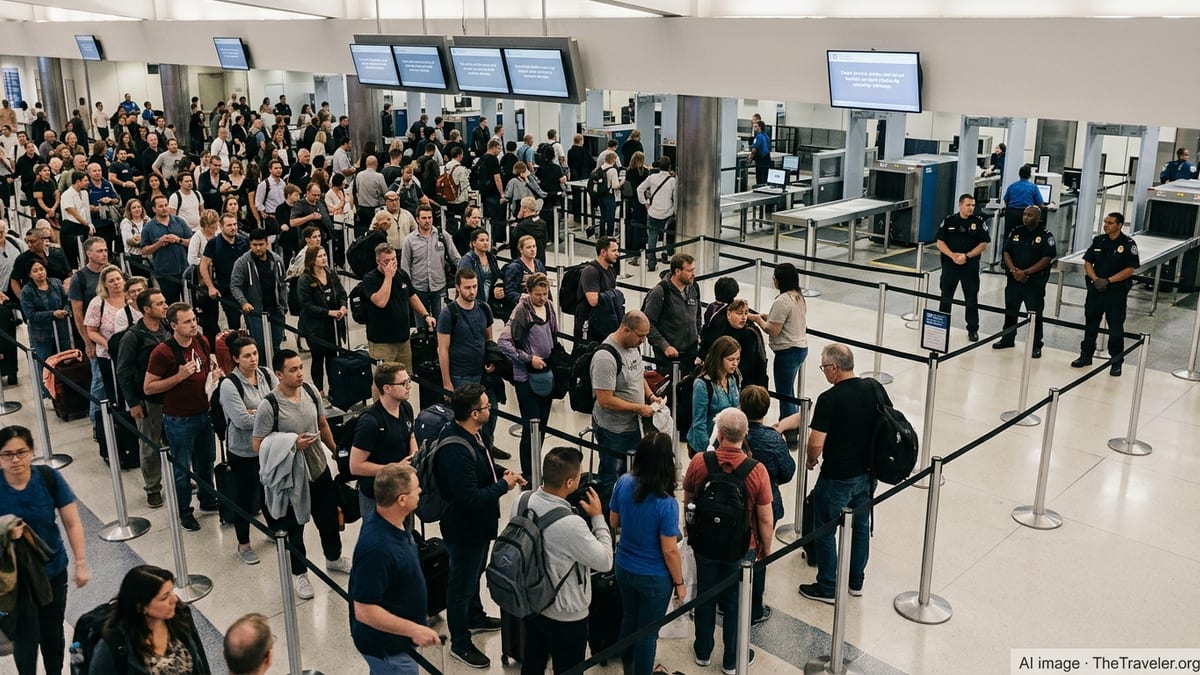
Spanish hubs in the spotlight over passport queues
Recent consumer coverage and travel-industry analysis highlight Palma de Mallorca and Alicante as the European airports where British travellers most often report severe passport delays. Surveys of UK passengers and compilations of complaint data point to these two Spanish hubs as the worst in Europe for long queues linked to new border procedures for non-EU nationals.
Palma de Mallorca, one of the continent’s busiest leisure airports, has been repeatedly singled out in British and Spanish media reports for congestion at its passport desks, particularly for non-EU arrivals from the UK during peak holiday periods. Alicante, a major gateway to Spain’s Costa Blanca, has also featured prominently in warnings to UK travellers about extended waits at border control, especially at busy weekend and school-holiday departures.
Travel commentary suggests that the problems at both airports reflect a combination of record demand from British visitors, the post-Brexit status of UK passport holders as third-country nationals, and the rollout of tighter entry and exit checks across the Schengen area. While not every passenger experiences disruption, enough have reported missed flights and multi-hour queues to push Palma and Alicante to the top of many British travellers’ lists of airports to approach with caution this summer.
New EU entry rules and post-Brexit checks driving delays
The long queues being reported at Palma de Mallorca and Alicante are widely linked to the European Union’s new Entry/Exit System, which has been introduced in stages since late 2025. The system replaces manual passport stamping for most non-EU visitors with electronic registration that captures fingerprints, facial images and detailed travel information at the border.
For British nationals, who are now treated as visitors from outside the EU, the new rules mean more time-consuming processing the first time they pass through the system. Travel reports indicate that where multiple flights from the UK arrive or depart within a short window, the additional checks can quickly create long lines, particularly when staffing or equipment capacity is stretched.
Observers note that these structural changes come on top of the additional checks that were already introduced after Brexit, when UK passports ceased to qualify for EU citizen lanes in most countries. At busy leisure airports in Spain, where British travellers make up a significant share of traffic, the combined effect of higher volumes, stricter rules and limited space at border-control halls has proved especially challenging.
Palma de Mallorca: holiday gateway under pressure
Palma de Mallorca Airport, serving one of Europe’s most popular island destinations, has faced recurring criticism over border queues affecting British visitors. Local media in the Balearic Islands have periodically highlighted complaints from UK tourists who describe extended waits at non-EU passport lines, particularly during the main summer season when dozens of flights from the UK arrive in quick succession.
Travel reports and online accounts describe scenes of crowded corridors and slow-moving lines at passport control, especially in the sections of the terminal handling UK and other non-EU traffic. Consumer groups and commentators in Spain have previously called for more border staff and better queue management at the airport, arguing that long waits risk damaging the island’s reputation among British holidaymakers.
Despite these concerns, Palma remains a critical entry point for UK tourism to Spain, and many passengers still pass through without major issues. However, the airport’s prominence in recent warnings about EU entry-system delays has reinforced its image among some British travellers as a high-risk bottleneck at peak times, prompting advice to allow extra time between landing and onward connections or transfers.
Alicante: busy Costa Blanca hub facing scrutiny
Alicante Airport, which serves resorts along Spain’s south-eastern coastline, has also drawn sustained criticism from British holidaymakers over passport waiting times. Round-ups of passenger complaints and airline advisories frequently list Alicante alongside Palma as one of the European airports where new entry and exit checks have had the greatest visible impact on queues.
According to publicly available commentary from airlines and travel organisations, departures for the UK from Alicante can be particularly affected. When several flights to British airports are scheduled within a narrow time frame, non-EU exit checks can create long lines at passport control, raising the risk that late-arriving passengers may struggle to reach their gates in time.
The airport’s reliance on seasonal leisure traffic from the UK intensifies the pressure. During school holidays and bank-holiday weekends, terminal congestion and extended border formalities have been cited in British media and consumer reports as reasons why Alicante is now viewed as one of the most challenging airports in Europe for passport processing.
What British travellers are being advised to do
In response to ongoing disruption, airlines and travel commentators are urging passengers flying through Palma de Mallorca, Alicante and other busy European airports to adjust their plans. Several carriers serving Spain from the UK have advised customers to arrive earlier than usual for flights, with some recommending reaching the airport up to three or four hours before departure to account for potential passport-control delays.
Consumer advocates also encourage British travellers to check their passport validity and entry rules carefully, to reduce the risk of being turned away at border control after a long wait. Suggestions commonly include keeping documents ready before reaching the desks, travelling with minimal hand luggage to move more easily through crowded areas, and allowing generous time between flights where connections are unavoidable.
Travel industry analysis indicates that the situation may stabilise as airports and border authorities adjust staffing levels, expand biometric facilities and refine procedures for processing non-EU passengers. For now, however, Palma de Mallorca and Alicante remain the two Spanish airports most associated with passport delays in the minds of many British travellers, shaping how thousands of holidaymakers plan their journeys across Europe this summer.