


More news on this day
U.S. airlines are rushing to adjust Hawaii operations for a second tropical system forecast to brush the islands this weekend, just days after Hurricane Lala drenched the state and disrupted flights across the Pacific.
Get the latest news straight to your inbox!
Second Tropical System Tracks Toward Islands
Forecast bulletins from the National Weather Service show Tropical Depression Two-C organizing southeast of Hawaii and expected to strengthen into a tropical storm as it tracks generally west-northwest, passing near or just south of the Big Island late Saturday into Sunday. The system follows Hurricane Lala, which skirted the main islands last weekend with destructive rains, flooding and widespread power outages.
Public advisories indicate that the new storm could bring periods of heavy rainfall, stronger trade winds and rough seas, particularly for Hawaii Island and the eastern end of the state. Tropical-storm-force conditions over surrounding waters are described as possible as early as late Saturday, with impacts potentially lingering into early next week as the system moves west of the archipelago.
Meteorologists note that the exact track and intensity remain uncertain, but the storm is developing over warm water in an already active Central Pacific season. That uncertainty is prompting transportation providers, including airlines and inter-island cargo operators, to prepare for rapid schedule changes if wind and rain intensify near key airports.
Carriers Extend Travel Waivers and Flexible Rebooking
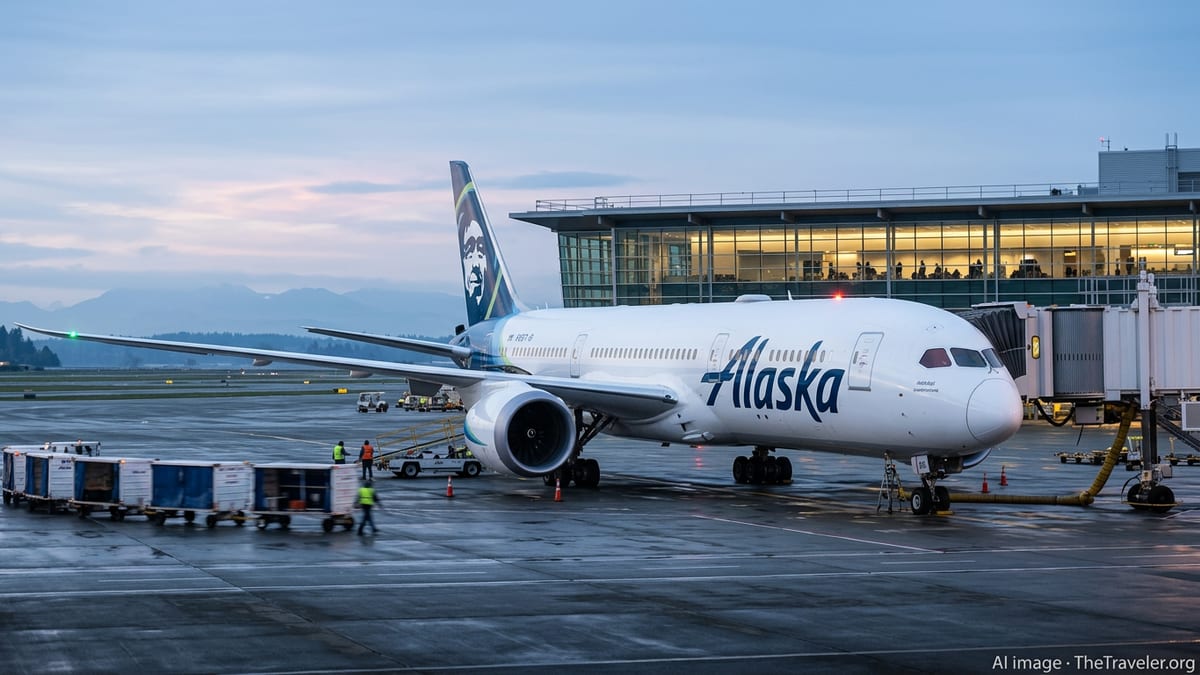
Major U.S. airlines that serve Hawaii are expanding or updating travel waivers originally introduced for Hurricane Lala to cover the new round of tropical weather. Online advisories from carriers such as Alaska Airlines show “Tropical Storm Lala” or Hawaii weather waivers that allow customers to change flights without additional fees if they are traveling to, from or through airports including Honolulu, Kahului, Kona, Hilo and Lihue over a specified window that now covers this weekend.
Typical waivers permit one-time rebooking onto alternative dates within several days of the original itinerary, as long as customers keep the same origin and destination and travel in the same cabin. Fare differences may be waived when new flights depart within the approved period, while longer deferrals can incur additional costs once the waiver date range ends.
Airlines are also encouraging passengers to sign up for flight-status notifications by text or email and to monitor mobile apps closely, reflecting industry lessons from earlier Pacific storms. During Hurricane Lala, heavy rain bands and gusty winds prompted day-of-flight cancellations and diversions, particularly for inter-island routes, underscoring how quickly conditions can deteriorate even when the storm center remains offshore.
Operational Planning Focuses on Crews, Aircraft and Fuel
Behind the scenes, carriers are recalibrating crew schedules, aircraft rotations and contingency plans to preserve connectivity to the islands while minimizing safety risks. Published operational updates and prior hurricane-season playbooks indicate that airlines may proactively reroute aircraft to less-exposed airports, adjust overnight parking plans and add buffer time between flights in case of air traffic control flow restrictions.
Flight operations teams typically lean on detailed National Weather Service discussions, satellite imagery and turbulence forecasts to decide when to reduce frequencies, consolidate lightly booked services or temporarily suspend particular routes. If strong crosswinds or low visibility are forecast for airports such as Kona or Lihue at peak times, airlines can swap aircraft types or shift departures to broader runways and higher-category instrument-approach facilities in Honolulu.
Fuel planning is another priority, especially on long overwater segments from the U.S. West Coast. Industry analyses note that tropical systems can restrict available alternate airports or require longer routing to avoid hazardous weather, which in turn increases fuel loads and may affect payload on certain flights. By adjusting schedules ahead of time, carriers aim to reduce the number of aircraft exposed to marginal conditions and avoid last-minute diversions that strand passengers and crews.
Hawaii Airports Still Recovering From Hurricane Lala
The new storm threat is emerging while communities and infrastructure are still recovering from Hurricane Lala, which swept past the islands last weekend as a powerful system before weakening. Published coverage from Hawaii-based outlets describes damaged homes, downed trees, localized landslides and lingering utility outages on the Big Island and parts of Maui, along with cleanup work at roadways and public facilities.
For aviation, that recovery includes clearing debris from airport perimeters, verifying runway and taxiway lighting, and restoring full staffing levels in terminal operations and ground handling. While Hawaii’s major airports remained open through most of Lala’s passage, airlines and airport operators reduced schedules and temporarily halted ramp activity during periods of lightning, strong gusts and heavy downpours.
With a second storm approaching, any remaining vulnerabilities in power supply, communications or surface access around airports could complicate operations if another round of intense rain arrives. Transportation planners are emphasizing redundancy in backup power, fuel supplies and ground transportation to keep essential flights moving even if some services are constrained.
Guidance for Travelers With Upcoming Hawaii Flights
Airlines and travel industry advisories suggest that anyone scheduled to fly to or from Hawaii over the next several days should treat this weekend as a dynamic situation. Passengers are being encouraged to verify that their contact details are current with their airline, check reservation status frequently, and consider moving trips earlier or later within the published waiver windows if their plans are flexible.
Travelers with tightly timed itineraries, including cruise departures, inter-island connections or special events, are being advised by travel agents and tourism boards to build in additional buffer time or be prepared for schedule changes. While long-haul flights from the mainland may still operate around the edges of the storm, inter-island and shorter segments are generally more vulnerable to temporary suspensions due to wind, visibility or airport ground-stop decisions.
Public information from Hawaii’s emergency management agencies also stresses that visitors should follow local guidance, avoid driving through flooded areas and stay informed about weather alerts, particularly on the Big Island and windward coasts. For airlines, the aim is to balance continued access to a major tourism market with a cautious operational stance as the Central Pacific’s second significant tropical system in a week nears the islands.