


More news on this day
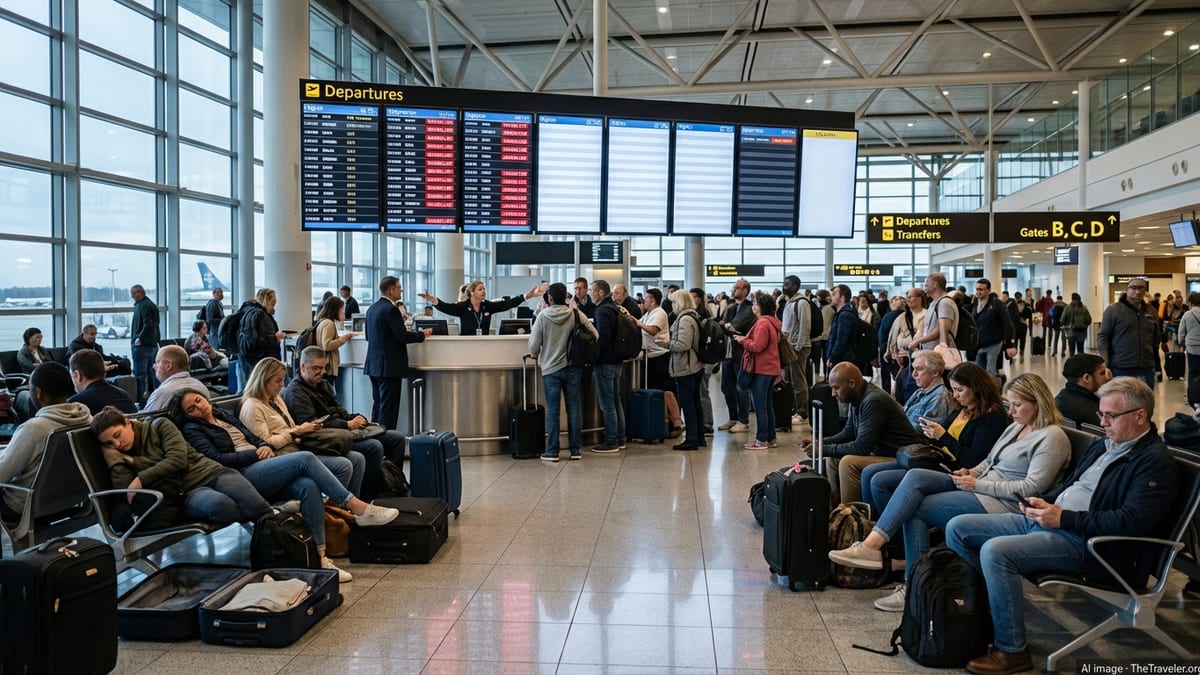
The U.S. has issued an urgent security alert urging Americans in 11 Middle East countries to exercise heightened vigilance and prepare for potential flight cancellations, periodic airspace closures, and broader travel disruptions as regional tensions intensify.
Get the latest news straight to your inbox!
Which countries are covered and what the alert says
Published coverage and publicly posted embassy notices show the warning applies to Bahrain, Iraq, Israel, Jordan, Kuwait, Lebanon, Oman, Qatar, Saudi Arabia, and the United Arab Emirates, along with a separate alert stream tied to Iran-related risks in the region. While wording varies by post, the common theme is a caution that the security environment can change quickly and that disruption to commercial air travel is a realistic near-term possibility.
In practice, the alert is less about paperwork changes and more about operational reality: travelers may see schedule shifts, cancellations, and rerouting on short notice. The messaging encourages U.S. citizens to stay alert in public places, monitor local developments closely, and make contingency plans for departure using available commercial options if conditions deteriorate.
The timing is notable because it follows weeks of renewed regional volatility referenced in multiple reports, including a blanket, region-wide advisory message used by the U.S. for the Middle East during periods when escalation risk is elevated. That combination of broad caution and country-level embassy updates can be confusing for travelers, but it often signals the same practical outcome: less predictability for flights, borders, and local movement.
How this differs from State Department “Travel Advisories”
Many travelers interpret a headline “travel warning” as a change in a country’s official Travel Advisory level. Publicly available information shows that is not necessarily the case here. The State Department’s Travel Advisory system runs from Level 1 (Exercise Normal Precautions) to Level 4 (Do Not Travel), and those levels are updated on individual destination pages on a rolling schedule.
The new development is best understood as a security alert layered on top of existing advisory levels. Several of the countries in the current alert set already carry elevated advisory levels, including Level 3 (Reconsider Travel) ratings for a number of Gulf and nearby destinations, while other locations in the region are posted at Level 4 (Do Not Travel). The security alert does not automatically change those underlying levels, but it can be a leading indicator of tightening embassy operations or shifting risk assessments.
Travelers should also note that advisory levels can differ by area within a country. Even if a destination remains open to visitors and major airports continue operating, advisories can warn against travel to certain borders, conflict-adjacent zones, or areas where the U.S. has limited ability to provide emergency assistance.
What travelers may see next: flight disruption and operational knock-on effects
The most immediate traveler-facing risk described across the alerts is disruption to air travel. That can include last-minute flight cancellations, longer routings to avoid certain air corridors, and periodic pauses tied to evolving security conditions. Even when airports remain open, airline schedules can change rapidly because of crew positioning challenges, aircraft routing constraints, and shifts in demand.
For travelers transiting the region, the ripple effects can extend beyond the country where you are located. Tight connections through major hub airports can become harder to protect if inbound flights arrive late or if airlines consolidate departures. Travelers with multi-city itineraries may face cascading disruptions across separate tickets, especially where a missed flight does not trigger automatic rebooking by the next carrier.
Publicly available guidance also indicates travelers should keep an eye on embassy operating status for routine citizen services. In past periods of heightened regional risk, some posts have reduced appointment availability or temporarily paused certain non-emergency services. That matters for travelers who may need passport replacement, emergency documentation, or notarial services while abroad.
Practical steps for Americans traveling now or departing soon
Travelers currently in the affected countries can reduce risk by confirming flight status directly with the airline, rechecking departure terminals and boarding times the day of travel, and building extra time into airport transfers. It is also wise to keep digital and printed copies of passports, visas, and key reservations, along with a backup payment method in case a rebooking requires immediate purchase.
Those planning to travel to the region in the near term should review the State Department Travel Advisory page for their exact destination and sign up for the Smart Traveler Enrollment Program (STEP) so embassy alerts arrive quickly. For many travelers, the key decision is whether the purpose of the trip is flexible enough to postpone until schedules stabilize, particularly for short vacations or discretionary business travel.
Finally, travelers should ensure they understand the limits of assistance in higher-risk environments. Publicly available State Department guidance emphasizes that in some high-risk situations, the U.S. may have limited ability to provide on-the-ground help. That makes trip insurance with medical and evacuation coverage, careful itinerary planning, and conservative contingency budgeting more important than usual during periods of elevated regional tension.