


More news on this day
The US Embassy in Israel has issued a security alert urging Americans to exercise heightened vigilance after renewed Houthi attacks on Saudi Arabia raised the risk of regional spillover, including flight disruptions and sudden airspace changes.
Get the latest news straight to your inbox!
What the embassy alert says and why it matters for travelers
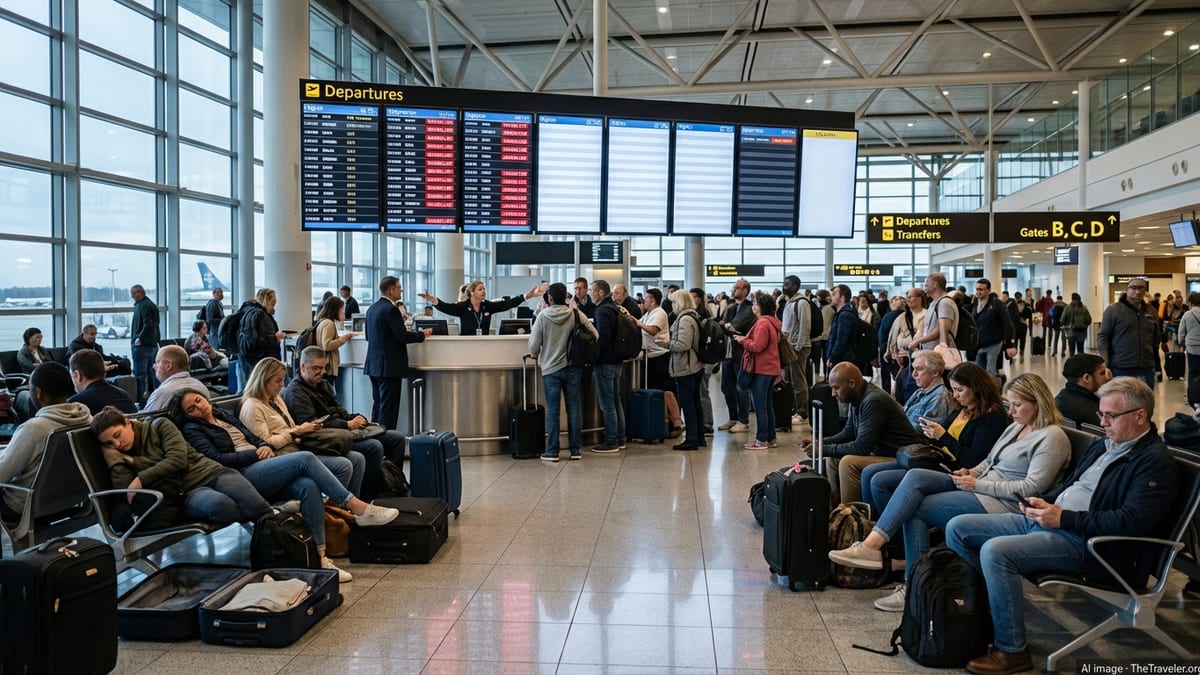
Published coverage indicates the alert was issued Saturday, September 19, 2026, and frames the situation as volatile, with the potential for rapid escalation. The guidance highlights practical travel impacts first: possible flight cancellations, airspace closures, and broader disruptions for travelers moving into, out of, or within the region.
The embassy message also points to a broader security environment in which US diplomatic facilities and US-linked locations have been targeted in the past, and it warns that Iran and Iran-aligned groups could direct attacks at US interests overseas. In Israel, the alert notes that US Embassy Jerusalem and the branch office in Tel Aviv were operating normally at the time the guidance circulated.
For travelers, the immediate takeaway is operational rather than procedural: plans can change quickly even when airports and consular operations remain open. Airline schedules, routing decisions, and stopovers across the eastern Mediterranean and Gulf can shift with little notice when regional militaries adjust air defense postures or when airlines reassess risk.
Houthi attacks on Saudi Arabia: the latest reports driving the warnings
Reporting over the past several days has described an uptick in Houthi missile and drone activity targeting Saudi locations, including Riyadh and other areas. Saudi statements cited in published coverage describe air defenses intercepting a ballistic missile aimed at the capital and attempts to target additional sites, including infrastructure near the Red Sea.
Travel disruption concerns increased after reports of smoke and fire activity near Riyadh’s King Khalid International Airport area, which coincided with operational issues visible on flight-tracking services and widespread delays. For international travelers, disruptions at a major hub like Riyadh can ripple across connecting itineraries in the Gulf, the Levant, Europe, and onward long-haul routes.
While the embassy alert was issued in Israel, the trigger described in coverage is regional: conflict activity focused on Saudi Arabia can still affect flight planning and security postures across multiple countries, particularly when airlines adjust overflight corridors or consider alternate routes around sensitive areas.
Air travel knock-on effects: cancellations, reroutes, and airport uncertainty
Published coverage of the alert emphasizes that travelers should monitor airport and airline operations closely. In practice, that means watching for schedule changes even on itineraries that do not touch Saudi Arabia directly, especially if they rely on Middle East connections or overflight routes that could be altered.
Operational disruptions can manifest as last-minute cancellations, aircraft swaps, or extended ground delays, particularly when carriers face airspace constraints or when airports implement heightened safety measures. Even if an airport remains open, flight banks can be disrupted if inbound aircraft are delayed, repositioned, or diverted.
Travelers transiting through the region often face the biggest exposure to knock-on delays: missed connections, rebooking bottlenecks, and longer routings can compound quickly. If your itinerary includes tight connections, same-day onward flights, or nonrefundable ground arrangements, the practical risk is less about a single event and more about cascading schedule instability.
Regional context: multiple US missions issue similar alerts
Separate published coverage indicates similar US security alerts were circulated by multiple US missions across the Middle East, reflecting concern that the conflict could broaden and that the security environment is complex. The consistent theme across the alerts is heightened vigilance and preparedness for sudden changes to travel conditions.
The broader context described in reporting includes renewed fighting involving the Houthis in Yemen and a Saudi-led coalition backing Yemen’s internationally recognized government. Coverage also points to international concern over escalation, including UN Security Council language condemning continued attacks impacting civilian and energy infrastructure.
For travelers, this matters because security alerts can signal not just a single destination risk, but a region-wide shift in how airlines, airports, and local authorities manage movement, airspace, and crowd safety. A trip that feels geographically distant from an incident can still be affected through reroutes, advisories, and heightened checks.
What US travelers can do now when heading to Israel or connecting through the region
In addition to monitoring airline operations, travelers can reduce disruption risk by building time buffers into itineraries, especially for international connections. If you have flexibility, avoiding the shortest connection windows can help absorb delays without triggering overnight misconnects.
Travel.State.gov advisories for Israel, the West Bank, and Gaza describe a security environment that can change quickly, and they note that increased regional tensions can cause airlines to cancel or curtail flights into and out of Israel. Travelers planning trips to Israel should consider how quickly flight availability can tighten during periods of escalation.
It also helps to prepare for rapid communication needs: keep travel documents accessible, ensure roaming or local connectivity where possible, and confirm that airline contact details are current so you receive operational notifications. The embassy alert’s emphasis on awareness is a reminder that in fast-moving situations, travelers often get the earliest actionable updates from carriers and airport systems, before broader itinerary changes become visible elsewhere.