


More news on this day
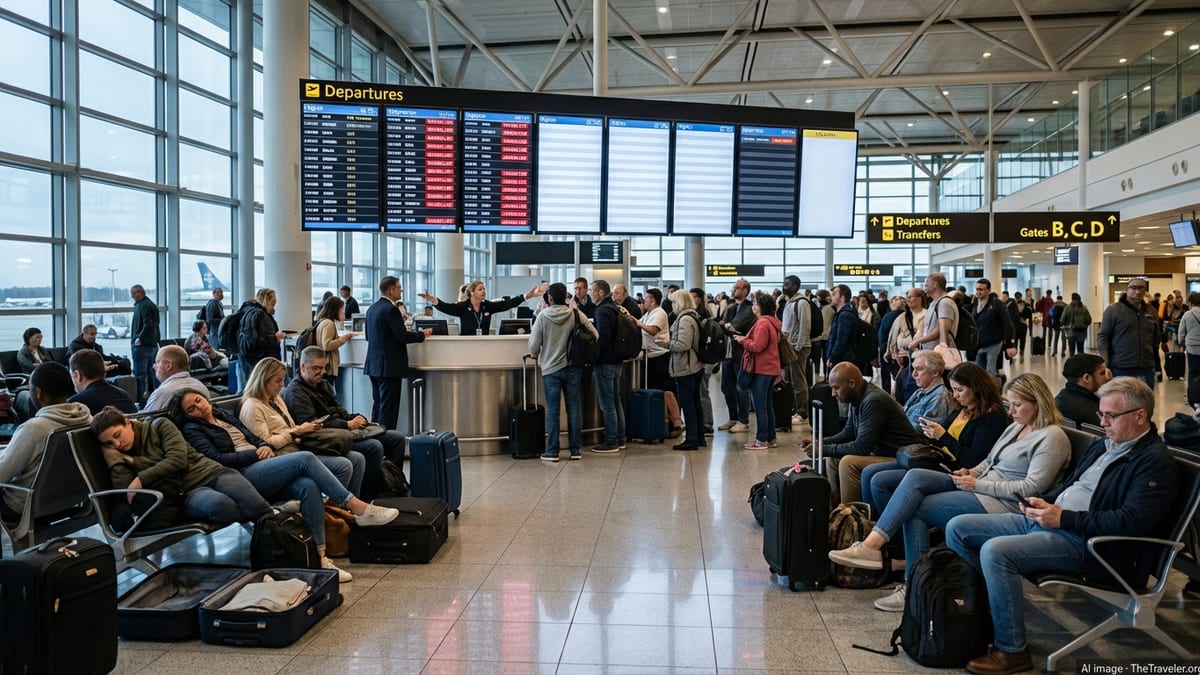
The U.S. government has issued a new round of urgent travel security alerts across 11 destinations in the Middle East, urging Americans to maintain heightened vigilance and prepare for potential flight cancellations, periodic airspace closures, and broader travel disruptions as regional tensions flare.
Get the latest news straight to your inbox!
Which 11 destinations are covered, and what the alerts say
Published coverage indicates the alerts were posted by U.S. diplomatic missions for Bahrain, Iran, Iraq, Israel, the West Bank and Gaza, Jordan, Kuwait, Lebanon, Oman, Qatar, Saudi Arabia, and the United Arab Emirates. While the wording can vary by post, the central message is consistent: the security environment can change quickly, and disruptions to commercial aviation are possible.
The alerts emphasize practical, near-term travel risks rather than a single, country-specific incident. The guidance highlights potential flight cancellations, airspace closures, and knock-on travel interruptions that can affect not only departures but also connections, overflight routings, and last-minute schedule changes.
For travelers already on the ground, the notices generally point to situational awareness: monitoring local developments, keeping travel documents accessible, and factoring in that assistance options may be limited or slower during fast-moving regional events.
What’s driving the warning: rising conflict risk and aviation disruption
The fresh wave of alerts arrives amid renewed concerns over escalation linked to regional hostilities, with published reporting tying the timing to a new spike in security fears following Houthi-linked attacks on Saudi Arabia and a broader pattern of cross-border strikes and counterstrikes in the area.
In practical travel terms, the biggest immediate risk is not always ground transportation or hotel operations, but air connectivity. When militaries or governments close airspace, restrict corridors, or issue short-notice aviation directives, airports can remain open while flights are delayed, rerouted, or canceled, and schedules can take days to normalize.
Travelers transiting major hubs in the Gulf may feel the ripple effects first: aircraft re-routes can alter arrival banks, increase flight times, trigger crew-time limitations, and complicate onward connections even for itineraries that never land near the most sensitive areas.
How this fits into the State Department’s advisory system
It’s important to distinguish a security alert from a formal country Travel Advisory level. Security alerts are time-sensitive notices issued by embassies and consulates, often focused on near-term operational risks such as demonstrations, military activity, or transportation disruption. Travel Advisories, by contrast, are the standing country guidance shown on the State Department’s Travel Advisories page and on each destination page.
Across the region, several destinations already sit at elevated advisory levels, reflecting ongoing concerns such as armed conflict, terrorism risk, and limited ability to provide consular services in certain places. Saudi Arabia, for example, is currently listed at Level 3 (Reconsider Travel), with “Do Not Travel” guidance for the Yemen border area on its country advisory page.
The new alerts do not automatically change an advisory level, but they can be a sign that travelers should re-check the destination page’s “Date issued” and “Last updated” fields close to departure. Advisory language and risk indicators can shift quickly when aviation or security conditions change.
What travelers should do now: concrete steps before flying
Americans with upcoming travel to or through the affected destinations should re-check airline status tools and airport advisories more frequently than usual in the final 72 hours before departure. During regional disruptions, a flight can appear “on time” earlier in the day and then change rapidly as overflight permissions, routings, and connection banks adjust.
Travelers should also plan for contingencies that become more likely during airspace restrictions: longer routings that affect connection times, unexpected overnight delays, and the need to rebook at short notice. Having a buffer day for time-sensitive itineraries, keeping essential medications in carry-on baggage, and confirming that passports and any required visas have sufficient validity can reduce disruption if plans change mid-trip.
For those already abroad, publicly available guidance encourages enrollment in the Smart Traveler Enrollment Program (STEP) to receive local alerts and make it easier for the nearest U.S. embassy or consulate to share updates during an evolving situation. Travelers may also want to keep digital and paper copies of key documents and confirm how to contact their airline from outside the United States.
What to watch next: where disruptions can spread fastest
In the Middle East, aviation disruption can spread quickly because of how flight paths concentrate around specific corridors and hub airports. If additional airspace restrictions are introduced or expanded, travelers may see immediate knock-on effects on long-haul flights between North America, Europe, Asia, and Africa that rely on routings across the region.
Travelers should pay attention to three categories of developments: short-notice airspace restrictions, airport operating constraints (including security posture changes), and spikes in regional military activity that can raise the likelihood of periodic closures. Even when conditions stabilize, airlines may take time to reposition aircraft and crews, which can prolong irregular operations.
For now, the practical takeaway is preparedness rather than panic: monitor official destination guidance, expect the possibility of last-minute schedule changes, and build flexibility into itineraries that touch or transit the 11 destinations covered by the new U.S. security alerts.