


More news on this day
The U.S. government is drawing renewed attention to a worldwide caution for Americans considering trips overseas, highlighting a mix of security, criminal and health risks that officials say make careful planning and heightened awareness essential for anyone traveling internationally in the months ahead.
Get the latest news straight to your inbox!
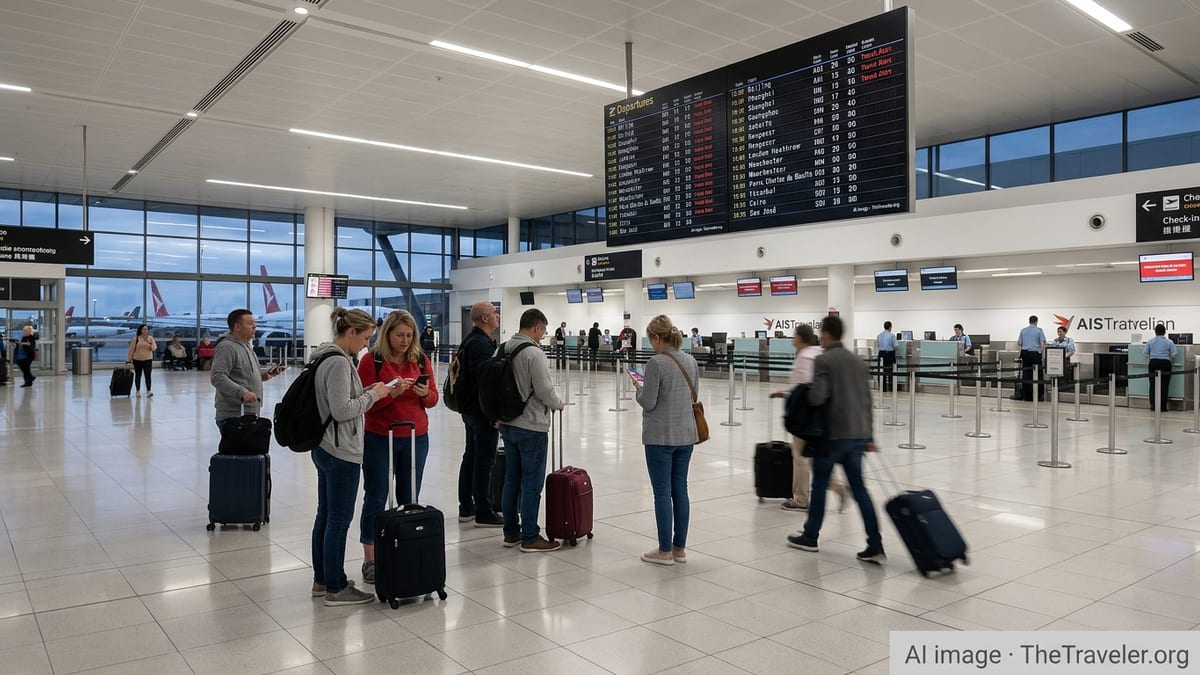
Worldwide caution highlights evolving security landscape
Publicly available information from the U.S. Department of State shows that Americans abroad are being urged to exercise increased caution worldwide in response to a complex security environment. A standing global advisory points to the potential for terrorism, unrest and other destabilizing events in multiple regions, even in places that are popular with tourists.
Recent coverage of the advisory notes that U.S. analysts continue to track threats from groups and individuals that may view Americans or locations associated with the United States as potential targets. In past years, regional tensions and geopolitical flashpoints have repeatedly translated into fast-changing conditions on the ground, catching unprepared travelers off guard.
The worldwide caution does not prohibit international travel, but it frames it as an activity that carries real and sometimes rapidly shifting risk. Travelers are encouraged to recognize that situations can change with little warning and that government support may be limited in certain locations during crises, natural disasters or outbreaks of violence.
Reports also indicate that this overarching message is being reinforced through country-specific travel advisories, which classify destinations on a four-level scale that ranges from “exercise normal precautions” to “do not travel.” These ratings can be adjusted as security, political or public health conditions develop, making it important for travelers to monitor them both before departure and during a trip.
Crime, scams and the digital footprint of U.S. travelers
Beyond headline-grabbing incidents, official travel guidance underscores that ordinary crime remains one of the most common threats Americans face overseas. The State Department’s crime-focused safety resources describe how pickpocketing, robbery, fraud and other offenses regularly affect visitors in urban centers, transport hubs and nightlife districts in many regions.
Public advisories encourage travelers to think carefully about how their behavior, appearance and technology use may draw unwanted attention. Simple choices such as displaying expensive jewelry, using unlocked phones in crowded areas or keeping wallets in easily accessible pockets can make visitors more vulnerable to opportunistic theft and more serious crime.
U.S. resources on international crime risks also highlight the growing role of social media. According to these materials, public posts that advertise itineraries, hotel locations or large purchases can give criminals information they might otherwise never obtain. Travelers are encouraged to limit what they share in real time, review privacy settings and avoid broadcasting their movements or displaying signs of wealth online while abroad.
The same guidance recommends enrolling in the Smart Traveler Enrollment Program, known as STEP, which allows U.S. citizens to receive security updates about their destinations by email or text. Publicly available program information notes that enrollment also makes it easier for consular staff to contact travelers during emergencies such as natural disasters, unrest or large-scale security incidents.
Health alerts and the renewed focus on disease risks
Security is only one part of the current warning. The Centers for Disease Control and Prevention maintains a parallel system of travel health notices, and recent updates show that outbreaks of diseases such as polio and other infectious threats are affecting a number of countries and regions. These notices are designed to help travelers understand where vaccine-preventable or mosquito-borne illnesses are circulating and how to reduce their risk.
CDC information emphasizes that travelers should review destination-specific guidance weeks before departure, since some vaccines or medications must be started in advance. The agency’s travel health pages and the CDC Yellow Book describe pre-travel consultations as an important opportunity to review routine immunizations, assess special risks such as pregnancy or chronic illness and discuss prescriptions for malaria or other conditions where relevant.
Recent CDC materials also highlight practical preparations that can be overlooked, such as planning for medical care during a trip and considering travel health and medical evacuation insurance. Official guidance notes that many foreign hospitals require payment up front and that U.S. health insurance may not cover care abroad, creating significant financial risk in the event of a serious illness or injury.
Health agencies continue to warn that global travel can accelerate the spread of infectious diseases, and that staying up to date on both routine and destination-specific vaccines remains one of the most effective protections. Travelers are urged to check for current health alerts shortly before departure, since outbreaks and public health responses can change quickly.
What the government wants travelers to do differently
Taken together, the worldwide caution, crime advisories and health notices amount to a clear message: international trips are safest when planned with the same level of care that many people reserve for only the most complex journeys. Rather than relying on outdated impressions of a destination, U.S. agencies encourage travelers to treat official online resources as essential pre-trip reading.
State Department guidance recommends several concrete steps, including reviewing the current travel advisory for each country on an itinerary, reading security and crime information for major cities, and learning about local laws that may differ significantly from U.S. norms. Enrollment in STEP is portrayed as a practical way to stay connected to timely alerts, especially in destinations where local news may not be available in English.
On the health side, CDC recommendations point travelers toward travel clinics or healthcare providers who can review vaccines, prescribe preventive medications and offer customized advice. Publicly available planning checklists suggest assembling a basic travel health kit, packing copies of prescriptions and identifying hospitals or clinics in advance in case urgent care is needed.
Transportation agencies, including the Transportation Security Administration and the Department of Transportation, have also published information highlighting record passenger volumes and evolving screening and consumer protection rules. These materials indicate that travelers should expect busy airports, arrive early for security, and understand refund and compensation policies in case of significant disruptions.
Rising travel demand meets persistent global risks
Recent U.S. government briefings and data releases show that international and domestic air travel volumes have climbed to or exceeded pre-pandemic records. TSA screening numbers and transportation statistics portray a system that is handling more passengers than ever, even as it contends with staff shortages, weather disruptions and air traffic control constraints.
At the same time, State Department and CDC resources underscore that the broader risk environment has not become simpler. Geopolitical tensions, cybercrime, natural disasters, climate-related extreme weather and lingering public health vulnerabilities all shape the backdrop for modern travel, and each can affect Americans abroad with little notice.
The latest wave of warnings does not suggest that travelers must stay home, but it does highlight the gap between pent-up demand for vacations and the level of preparation many people bring to their trips. U.S. agencies urge travelers to narrow that gap by taking a more deliberate approach: checking advisories close to departure, monitoring local news once on the ground, keeping emergency contact details handy and being ready to adjust plans when conditions change.
For millions of Americans planning overseas journeys in the coming months, the core warning is less about any single destination and more about mindset. Public guidance points toward a simple idea threaded through the latest advisories: in an era of record travel and unpredictable shocks, awareness and preparation are no longer optional parts of the itinerary.
U.S. Department of State Worldwide Caution
U.S. Department of State International Travel Information
U.S. Department of Transportation Aviation Consumer Protection