


More news on this day
Travelers using Dubai International Airport and Sharjah International Airport are facing fresh disruption as monitoring data shows 123 flight delays and 7 cancellations affecting services by Air India Express, FlyDubai, Air Arabia and several other carriers across key routes.
Get the latest news straight to your inbox!
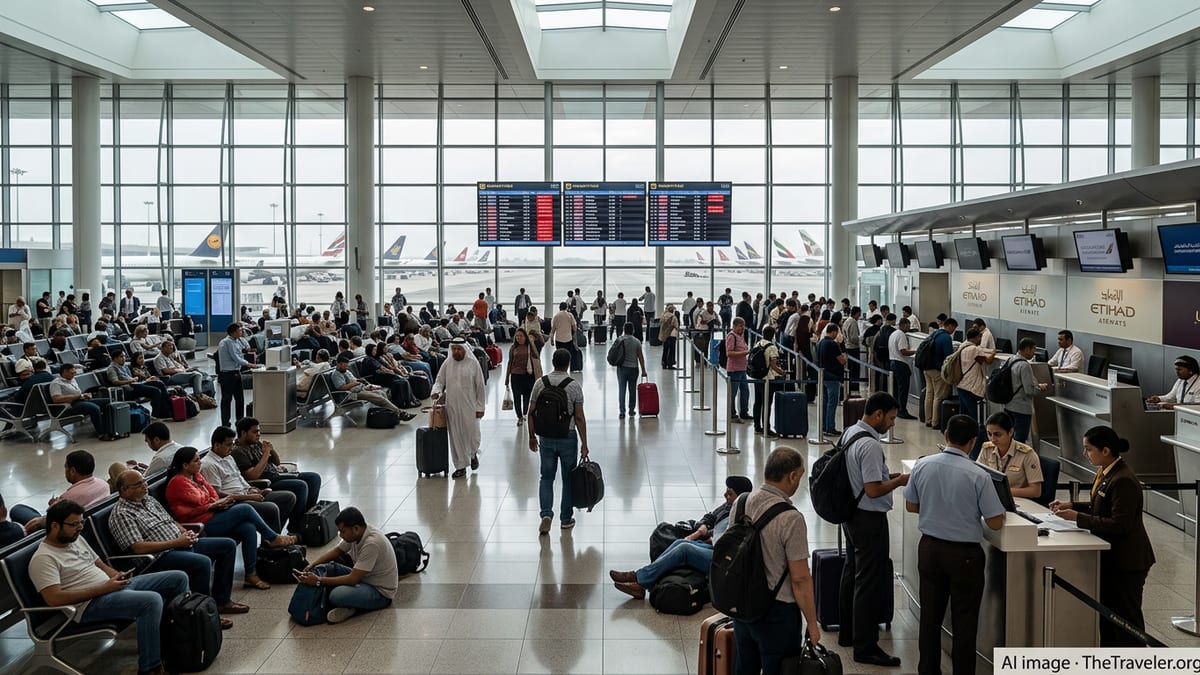
Latest Disruption Snapshot Across UAE Gateways
According to aggregated aviation tracking dashboards and recent industry coverage, operations at Dubai and Sharjah have been under renewed pressure, with a combined 123 delayed departures and arrivals and at least 7 outright cancellations recorded over the most recent 24 hour reporting window. The impact is concentrated at Dubai International Airport and Sharjah International Airport, two of the region’s busiest hubs and critical connecting points between Asia, Europe and Africa.
Published data shows that the disruption is spread across a mix of full service and low cost carriers, including regional players such as FlyDubai and Air Arabia, as well as India focused operators such as Air India Express. Similar monitoring reports earlier in June highlighted waves of delays and cancellations across the same airports, indicating that the latest figures are part of a continuing pattern of strain on the UAE’s aviation network.
While the current totals are lower than some earlier disruption spikes reported in April and early June, when more than 100 delays and double digit cancellations were logged in a single day at Dubai and Sharjah, the new update underscores the persistence of schedule volatility for passengers transiting the UAE.
Carriers Most Affected: Air India Express, FlyDubai and Air Arabia
Breakdowns of performance by airline, drawn from flight tracking platforms and recent travel industry bulletins, indicate that FlyDubai, Air Arabia and Air India Express are among the carriers recording notable numbers of delayed services in the latest cycle. These operators collectively handle a high volume of short and medium haul routes linking the UAE to India, Pakistan, Central Asia, North Africa and secondary Gulf cities, leaving large numbers of migrant workers, family visitors and price sensitive leisure travelers susceptible to delay cascades.
Publicly available information shows that Air India Express has already been operating a carefully managed schedule into UAE airports in recent months, with previous advisories outlining ad hoc operations to Dubai and Sharjah as wider Middle East airspace constraints evolved. Against this backdrop, even single digit cancellations or clusters of delays can translate into significant disruption because of the carrier’s relatively lean daily rotations on specific city pairs.
FlyDubai and Air Arabia, both key low cost brands in the Gulf, have likewise featured prominently in recent disruption tallies out of Dubai and Sharjah. Reports from airline databases and passenger facing booking platforms highlight multiple late running departures on sectors such as Baku to Sharjah and Dubai to Central Asia. For travelers, this means missed onward connections, shortened stays and heightened uncertainty around planned itineraries.
Operational and Regional Factors Behind the Delays
Aviation analysts and recent trade coverage point to a cluster of underlying factors behind the latest wave of schedule issues. High seasonal demand, tight aircraft utilization patterns and ongoing airspace and route adjustments linked to regional geopolitical tensions all contribute to fragile timetables for carriers operating in and out of the UAE.
Reports from early 2026 documented large scale cancellations and rerouting across Indian and Gulf airlines after temporary airspace closures affected corridors over parts of the Middle East. Subsequent operational updates from airlines serving Dubai and Sharjah outlined a gradual reintroduction of services, often on an ad hoc basis, leaving schedules more vulnerable to knock on effects when individual flights run late or aircraft rotations are disrupted.
Weather has also periodically played a role. Earlier in the year, dense fog episodes over Dubai and Sharjah prompted waves of arrival and departure delays, particularly impacting local carriers such as Emirates and Air Arabia. Although current disruption patterns appear to be driven more by network and capacity issues than by a single meteorological event, the previous fog related backlogs have underscored how quickly congestion can build at these high volume hubs.
Impact on Passengers and Key Routes
The immediate impact of the 123 delays and 7 cancellations is being felt most acutely on popular regional and long haul corridors linking the UAE with India, Europe, the wider Gulf and parts of Africa. Previous disruption reports tied to Dubai and Sharjah have referenced affected routes to cities including Mumbai, Delhi, London, Cairo and Doha, suggesting that the current schedule stresses are likely to be similarly spread across a mix of leisure and labour traffic flows.
Passenger accounts and recent consumer focused coverage describe longer than usual queues at check in and transfer desks when delays accumulate, as well as challenges in securing timely rebookings on heavily subscribed flights. With many services operated by low cost carriers where through ticketing is limited, missed connections can translate into additional costs for last minute onward tickets and overnight accommodation.
For the UAE’s tourism and hospitality sectors, persistent pockets of disruption at Dubai and Sharjah can translate into shorter stays and reduced spending, particularly when visitors lose valuable time at the start of their trips. Industry observers note that while the overall scale of cancellations remains modest relative to the total number of daily movements, the concentration of delays around peak travel periods and popular routes amplifies the effect on both travelers and local businesses.
What Travelers Can Do Amid Ongoing Volatility
Given the continuing pattern of intermittent disruption across Dubai and Sharjah, travel experts and consumer advocacy resources increasingly advise passengers to build extra flexibility into itineraries involving the UAE. This can include allowing longer connection windows, especially when combining separate tickets on low cost carriers, and monitoring flight status closely through airline apps and independent trackers on the day of travel.
Guidance from passenger rights organizations further recommends that travelers familiarize themselves with each carrier’s policies on rebooking, refunds and accommodation when significant delays or cancellations occur. While compensation regimes vary by jurisdiction and by airline, written confirmations of disruption and clear documentation of additional expenses can be important for insurance claims, particularly on long haul journeys.
As schedules continue to evolve and capacity is rebalanced across Middle East networks, publicly available data indicates that Dubai and Sharjah are likely to remain busy, high throughput hubs with periods of heightened strain. For now, the latest count of 123 delays and 7 cancellations serves as another reminder that even on routine travel days, itineraries through the UAE can be subject to rapid change.