


More news on this day
A United Airlines Boeing 737 MAX 8 operating as Flight UAL2855 from San Francisco to Las Vegas diverted to Palm Springs on 6 August, landing safely after an in-flight issue that prompted the crew to discontinue the short hop to Nevada and head for the Southern California airport instead. Initial tracking data and media coverage indicate that all passengers and crew disembarked without reported injuries.
Get the latest news straight to your inbox!
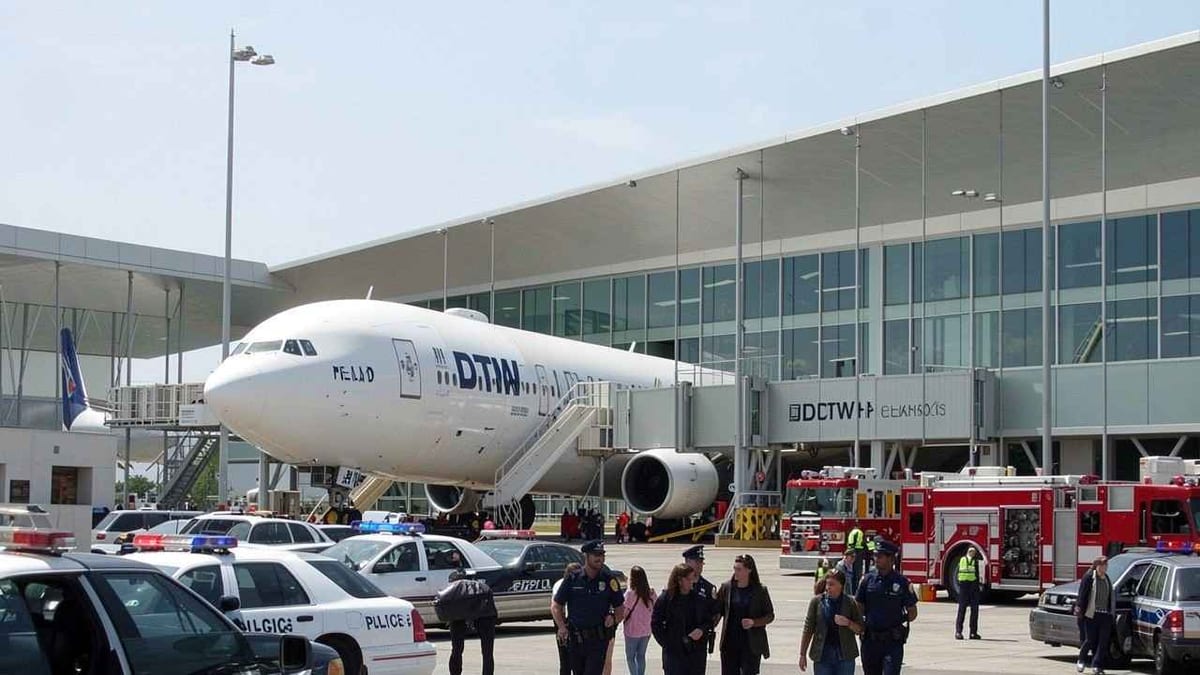
Unscheduled Landing on Short West Coast Route
Publicly available flight-tracking information shows that Flight UAL2855 departed San Francisco International Airport on the afternoon of 6 August bound for Harry Reid International Airport in Las Vegas, a route typically scheduled at just over one hour of flying time. Shortly after reaching cruise, the aircraft’s track deviated from the usual northeast corridor toward Las Vegas and instead angled southeast toward the Coachella Valley.
The Boeing 737 MAX 8 descended and continued to Palm Springs International Airport, where it landed and taxied to the gate. Operational data indicate the diversion added significant time to the short sector but allowed the crew to bring the aircraft to a full stop on a long, weather-favorable runway with established maintenance support and medical access if required.
Airport operations logs and tracking records show no runway closure or major disruption at Palm Springs following the arrival, suggesting the aircraft landed under controlled conditions and vacated the runway normally. There were no immediate indications of fire, smoke, or evacuation slides being used.
What Is Known About the In-Flight Issue
As of the latest reports, the specific technical or operational reason for the diversion has not been formally detailed in public regulatory filings. Diversions of this type on domestic routes can be triggered by a wide range of circumstances, including technical alerts, cabin pressurization concerns, medical situations on board, or weather and traffic constraints at the destination.
In similar recent cases across major U.S. airlines, diversions involving Boeing 737 family aircraft have frequently been linked to caution messages that require additional maintenance inspection, or to situations where continuing to the planned destination would have reduced performance margins or fuel reserves more than crews consider acceptable. Industry guidance generally encourages crews to opt for a nearby suitable airfield rather than press on when there is any uncertainty about system performance.
According to published coverage and typical airline practice, a diversion to Palm Springs from the San Francisco to Las Vegas corridor would be consistent with the crew selecting an airport with good weather, adequate runway length, and ground facilities capable of handling a mainline narrowbody jet. Once on the ground, maintenance personnel can run diagnostic checks and determine whether the aircraft can continue service the same day or must be removed from the schedule.
Impact on Passengers and Operations
The diversion left passengers unexpectedly in Palm Springs instead of Las Vegas, turning a routine West Coast shuttle into a disrupted travel day. Information available through airline customer channels and traveler reports indicates that passengers were rebooked on later flights or accommodated on alternate routings to reach Las Vegas and other onward destinations, a standard response when an aircraft becomes unavailable mid-journey.
While any diversion creates inconvenience, most major U.S. carriers have procedures to prioritize connections, reaccommodate passengers on the next available departures, and issue meal or hotel vouchers when delays extend overnight. The scale of disruption from this incident appears localized to the single flight rather than a broader systemwide irregular operation.
Operationally, the removal of one Boeing 737 MAX 8 from its planned rotations can require late reshuffling of aircraft and crews. Airlines often swap equipment across routes or bring in standby aircraft to maintain schedules, particularly on busy summer days when load factors are high and spare capacity is limited.
Scrutiny Around the Boeing 737 MAX 8
The diversion again draws public attention to the Boeing 737 MAX family, which remains under close scrutiny from regulators, airlines, and travelers years after the global grounding that followed two fatal accidents involving earlier versions of the type. Since returning to service, the MAX 8 and related variants have accumulated large numbers of flight hours on routes in North America and worldwide, with safety performance monitored carefully by authorities and researchers.
Aviation safety analyses and academic studies describe how airlines and regulators track events involving the 737 MAX alongside comparable Airbus models to examine trends in mechanical reports, system alerts, and operational disruptions. These assessments generally distinguish between precautionary diversions that end without injuries and more serious incidents that involve structural, engine, or control-system failures.
Based on current public information, the events surrounding Flight UAL2855 fall into the precautionary category, with the aircraft landing safely and no reports of injuries or structural damage. For passengers, however, the MAX designation can heighten sensitivity to any unscheduled landing, and diversions often attract attention on social media and in local news coverage.
Next Steps for the Aircraft and Investigation Process
Once a diverted aircraft is parked at the gate, airline maintenance teams typically download fault data from onboard computers, conduct visual inspections, and follow manufacturer-approved troubleshooting checklists. If specific components are implicated, they may be replaced on site or the aircraft may be ferried without passengers to a maintenance base for more extensive work.
In the United States, events such as unscheduled landings and in-flight system alerts are recorded in various reporting systems used by the Federal Aviation Administration and, in certain circumstances, the National Transportation Safety Board. While not every diversion triggers a full public investigation, trend data from these reports help regulators and manufacturers identify recurring patterns or emerging risks.
For passengers booked on future United flights using the 737 MAX 8, the diversion of UAL2855 is likely to prompt routine questions about aircraft type and reliability. Industry data and publicly available safety research emphasize that diversions and returns to the gate are often signs of caution in action, reflecting policies that favor landing early and allowing technicians to resolve anomalies before the next flight.