


More news on this day
A United Express flight operated by SkyWest Airlines from Williston, North Dakota, to Denver, Colorado, diverted to Pueblo Memorial Airport on August 8, after conditions en route to Denver made continuing to the hub airport impractical, according to publicly available flight-tracking information and operational data.
Get the latest news straight to your inbox!
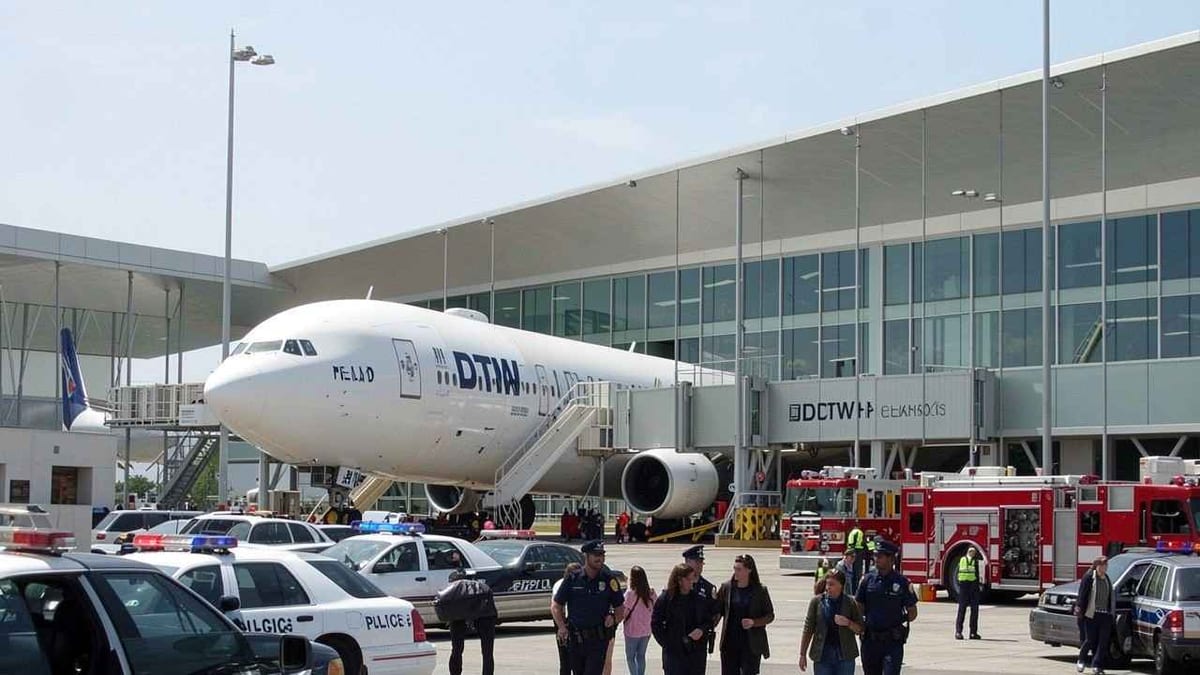
Regional United Service Diverts From Planned Route
The flight, operating as United Airlines UA5528 and flown by SkyWest Airlines on a Mitsubishi CRJ-701ER regional jet, departed Williston Basin International Airport in North Dakota on the evening of August 8 with Denver International Airport as its scheduled destination. Data from flight-tracking platforms shows the aircraft flying a largely routine southbound route toward Colorado before diverting from its approach profile and turning southeast away from Denver.
Instead of landing at Denver, the aircraft continued to Pueblo Memorial Airport in southern Colorado, where it touched down after what appears to have been a normal descent and landing. Available information indicates the aircraft taxied to the terminal area and remained on the ground while onward arrangements were made for passengers.
There were no immediate public reports of injuries among those on board, and the diversion is being treated as an operational event rather than a safety incident. The Mitsubishi CRJ-700 series is widely used across the United Express network for short and medium regional routes into Denver and other hub airports.
Weather And Traffic Challenges Around Denver
The diversion took place during a period of recurring operational strain at Denver International Airport, where afternoon and evening arrivals are frequently affected by convective storms common on the High Plains in summer. Published accounts from travelers and aviation observers in recent weeks describe holding patterns, lengthy taxi times, and a number of diversions to alternate airports when storm cells or hail threaten the airfield.
In similar situations, regional jets inbound to Denver have been routed to various alternates in Colorado, Nebraska, and Kansas when arrival flows slow or ground operations become constrained. Publicly available discussions and flight-tracking histories show multiple United Express services diverting away from Denver in late July and early August due to a combination of thunderstorms and congestion around the hub.
On August 8, the pattern repeated for UA5528 from Williston. While detailed meteorological data specific to the flight was not immediately highlighted in public reporting, the timing aligns with a broader window when storms and heavy traffic have reduced the airport’s arrival rate and forced dispatchers to make rapid decisions about fuel reserves, holding times, and suitable alternates.
Why Pueblo Memorial Airport Was Used As An Alternate
Pueblo Memorial Airport sits roughly 115 miles south of Denver and is one of several regional fields in Colorado that can support commercial diversions. The airport features a long primary runway capable of handling regional jets and larger narrowbody aircraft, along with instrument approach procedures suitable for poor-weather operations.
Operational data from Colorado shows that Denver-bound flights sometimes divert to Pueblo when other nearby alternates such as Colorado Springs experience congestion from multiple simultaneous diversions. Aviation commentary in recent weeks has highlighted days when Colorado Springs accommodated a significant number of aircraft that were unable to land immediately in Denver, prompting carriers and dispatchers to consider additional options for overflow.
Using Pueblo as an alternate can help airlines avoid further delays when weather cells are slow-moving or when ramp space and gate availability at other airports are constrained. For a regional jet like the CRJ-701ER, the field length and facilities at Pueblo are generally sufficient for passenger handling, ground support, and refueling if needed prior to repositioning the aircraft.
Passenger Impact And Subsequent Travel Arrangements
Publicly accessible postings on social platforms and flight-status portals on August 8 and 9 indicated that UA5528 was marked as diverted rather than canceled, reflecting that the flight completed a landing at an alternate airport. Once on the ground in Pueblo, passengers typically would be assisted with onward travel, which can range from buses and ground transportation to rebooking on later flights once the aircraft is repositioned to Denver.
In other recent diversion events affecting Denver-bound services, travelers have reported a mix of outcomes, including extended time onboard while awaiting clearance to continue, disembarkation at the alternate airport followed by hotel or transportation vouchers, or re-accommodation on subsequent flights from Denver or other hubs. The specific handling of passengers from the Williston service has not been fully detailed in public coverage, but the diversion is consistent with airlines’ broader strategy of prioritizing safety margins and fuel planning over schedule adherence when arrival conditions deteriorate.
For those connecting onward from Denver, a diversion can mean missed flights and schedule changes, particularly during peak summer travel periods when alternate seats are limited. However, industry data suggests that such decisions, while disruptive in the short term, are viewed as a necessary tool for managing risk when weather and traffic constraints converge.
Denver’s Role As A Busy Mountain Gateway
The event underscores the operational complexity around Denver International Airport, one of the busiest airports in the United States and a major connecting point for traffic across the Mountain West. Airport performance reports show that United and its regional partners, including SkyWest, handle a large share of the passenger volume through Denver, with hundreds of daily departures connecting smaller communities to national and international routes.
The combination of high elevation, rapidly changing weather patterns, and heavy traffic makes Denver particularly sensitive to afternoon thunderstorms. Aviation professionals often note that flights scheduled into and out of Denver later in the day during summer are more exposed to potential delays, ground stops, and diversions compared with morning operations.
The diversion of UA5528 from Williston to Pueblo on August 8 fits within this broader pattern. While the flight did not reach its intended destination as planned, publicly available information indicates that the aircraft landed safely and that the incident was managed within standard regional-airline operational practices.