


More news on this day
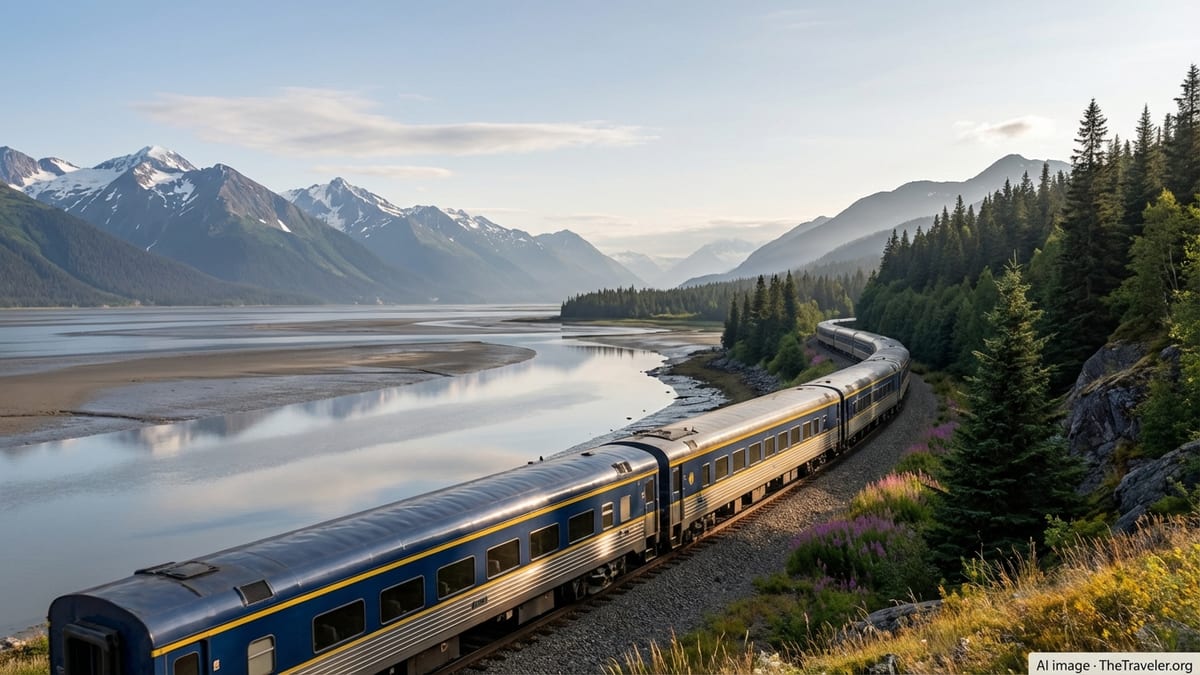
The United States is increasingly positioning the Amtrak-operated California Zephyr as a marquee scenic rail adventure, using new tourism campaigns, rail packages, and media coverage to highlight the marathon route between Chicago and the San Francisco Bay Area as a landscape-focused alternative to domestic flights.
Get the latest news straight to your inbox!
A Cross-Country Corridor Turned Scenic Showcase
Publicly available information shows that national and regional tourism marketing is placing fresh emphasis on the California Zephyr’s role as a gateway to slow travel across the American West. The long-distance train, routinely described by travel publications as one of the most scenic passenger routes in the United States, runs approximately 2,400 miles between Chicago and Emeryville, just across the bay from San Francisco.
Recent route guides and timetable releases indicate that the train’s standard journey takes about two nights, with travelers covering the distance in roughly 50 to 52 hours, depending on seasonal schedules. The service is typically operated with Superliner equipment offering coach seating, traditional sleepers, dining, and a glass-topped lounge car that functions as a moving observatory through mountain passes and river canyons.
Current promotional material highlights the fact that the California Zephyr links multiple tourism hubs, from the skyscrapers and museums of Chicago to Denver’s outdoor-focused “Mile High City” image and the rail heritage and culinary scene around Sacramento. Travel and lifestyle coverage published in early June 2026 points to the route’s growing reputation as a cross-country rail vacation in its own right rather than simply an alternative to flying.
Rail advocacy groups and independent route guides also frame the Zephyr as a flagship corridor within the national network, stressing its importance for both long-distance leisure travelers and smaller communities that rely on the train for basic mobility along the central Rockies and High Plains.
Daylight Timings Designed Around the Rockies and Sierra Nevada
Scheduling data released in spring 2026 and analyzed by rail-focused websites shows that the California Zephyr’s timetable continues to be structured so that its most dramatic mountain segments occur largely in daylight. Westbound, the train typically leaves Denver in the morning and spends much of the day climbing through the Front Range and the Colorado Rockies, including sections along the Colorado River that are frequently cited in rail travel rankings.
Farther west, the schedule positions the crossing of Nevada’s high desert and the approach to the Sierra Nevada range during daylight hours for many departures. The run over Donner Pass into California, a historic transcontinental rail corridor, remains one of the most photographed stretches of track in the country, with travel writers describing the combination of alpine scenery, engineering works, and seasonal snowfields as central to the Zephyr’s appeal.
Eastbound, the pattern is similar, with publicly available timetables and traveler reports indicating that the Sierra Nevada and much of western Nevada are visible during the day, followed by a nighttime crossing of the Great Plains. Enthusiast discussion and crowd-sourced data suggest that this focus on scenic timing influences when many travelers choose to board, with some planning shorter one-way segments specifically to pass particular canyons and summits in full daylight.
Rail forums and independent blogs also note that the daylight emphasis helps differentiate the California Zephyr from other long-distance routes, which sometimes traverse their most impressive scenery at night. For travelers comparing options, the ability to see major landscapes without sacrificing sleep has become a key selling point.
Tour Packages, Luxury Cars, and Growing Media Attention
Alongside regular Amtrak service, tour operators have been building new products around the California Zephyr. Package providers offering rail-based vacations promote itineraries that use the train as the backbone of multi-day trips linking Chicago, Denver, the national parks of the Rockies, and Northern California. According to publicly available promotional materials, these packages typically bundle rail tickets with hotel stays, excursions, and connecting transport to nearby attractions.
In the private rail sector, reports from late 2025 and early 2026 describe the introduction of luxury sleeper cars that can be attached to scheduled Amtrak trains, including the California Zephyr on select departures. These high-end cars, marketed with dome lounges, private suites, and dedicated hospitality, are positioned as a premium way to experience the same panoramic route with an upgraded level of comfort and exclusivity.
Travel and lifestyle outlets have amplified the attention, frequently featuring the Zephyr in roundups of America’s most scenic train journeys. Articles published in 2026 describe the route as one of the world’s notable overland trips, citing its varied geography from Midwestern farmland to canyon country and mountain passes. This coverage is contributing to the perception of the California Zephyr not just as a transportation link but as a signature tourism experience.
Online communities focused on rail travel further reinforce the train’s profile, with recent ride reports, photo essays, and video series documenting full end to end journeys. These posts often emphasize the social side of long-distance rail, the changing light over the landscape, and the contrast between time spent on board and time spent in major city stops.
Practical Details for Prospective Travelers
For travelers considering the California Zephyr as a scenic adventure, publicly available booking guidance recommends planning ahead, particularly for peak seasons. Independent fare trackers and route guides suggest that tickets purchased several months in advance can be noticeably cheaper than last-minute options, especially for sleeper accommodations, which combine transport and lodging into a single fare.
Coach seats remain the most economical choice and are commonly highlighted as a budget-friendly way to experience the route’s full scenery. However, long-distance rail specialists note that roomettes and bedrooms in the sleeper cars offer greater comfort on the two-night journey, along with meals and access to showers. Travel coverage often frames the additional cost in terms of overall vacation value when compared with separate hotel stays.
Recent timetable PDFs and route guides indicate that the Zephyr stops at major intermediate cities such as Denver, Salt Lake City, Reno, and Sacramento, as well as smaller communities across the Midwest and Mountain West. This pattern allows travelers to tailor trips to shorter scenic segments, such as Denver to Salt Lake City or Denver to Emeryville, which are frequently highlighted as particularly dramatic stretches.
Rail advocates and travel writers advise that long-distance trains can be subject to delays, in part because much of the route operates on tracks owned by freight railroads. As a result, publicly available planning advice often recommends building flexibility into itineraries, especially when coordinating with flights or time-sensitive connections at the beginning or end of the journey.
Scenic Rail Positioned Within a Broader Travel Shift
The elevated profile of the California Zephyr is emerging alongside a broader interest in rail-based and lower-impact travel within the United States. Travel trend reporting for 2025 and 2026 indicates a rise in demand for itineraries that emphasize the journey as much as the destination, particularly among travelers looking for alternatives to crowded airports and congested highways.
Industry commentary points to a combination of factors driving this shift, including renewed attention to national parks and outdoor recreation, growing awareness of the environmental footprint of frequent short-haul flights, and the appeal of digital disconnection on multi-day rail journeys. In this context, the Zephyr’s extended timetable, observation lounges, and constantly changing scenery align closely with what many travelers describe as “slow travel.”
Regional tourism organizations in Colorado, Utah, Nevada, and California increasingly reference the train in destination marketing, emphasizing how the line opens access to mountain towns, river recreation, desert landscapes, and cultural sites without requiring a rental car. Travel media coverage notes that cities such as Denver, Glenwood Springs, and Sacramento benefit from this positioning, with the train serving as both an arrival mode and a core part of the visitor experience.
As U.S. passenger rail services gradually evolve, the California Zephyr is being held up in coverage as a case study in how an existing long-distance route can be reframed as a flagship scenic adventure. For travelers planning domestic trips in 2026 and beyond, the route offers a high-profile example of what cross-country rail can deliver when the experience between stations becomes the main attraction.