


More news on this day
As the US-Iran conflict continues to ripple across aviation and shipping corridors, UAE residents are facing a familiar mix of shifting flight routings, occasional delays, and heightened watchfulness around key sea lanes. Here is what to know today, Tuesday, September 15, 2026, with practical steps for travelers and households in the UAE.
Get the latest news straight to your inbox!
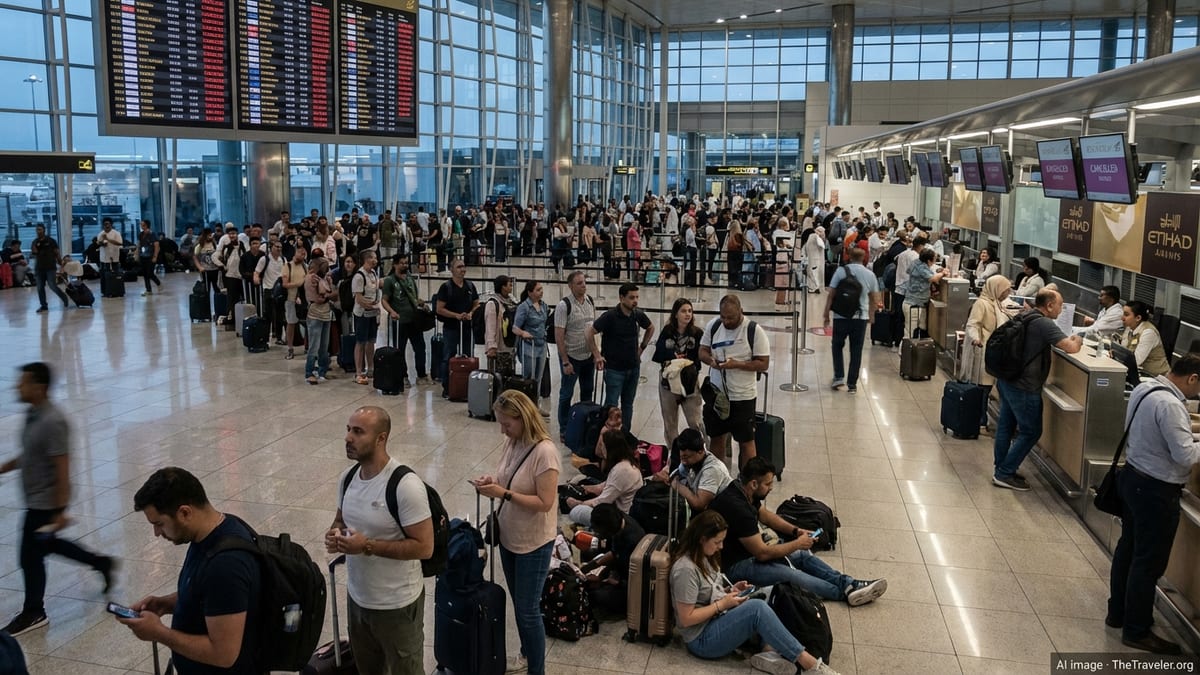
Flight operations: Airports are open, but routes can change quickly
Published airline and airport information indicates that major UAE hubs remain operational, including Dubai International (DXB) and Abu Dhabi’s Zayed International Airport (AUH). However, the operating environment across the region remains disruption-prone, with some carriers continuing to reroute around higher-risk airspace, which can add flying time and create knock-on delays.
If you are flying today, the most useful habit is checking flight status shortly before leaving home and again en route to the airport. Dubai Airports maintains live flight-status tools, and AUH provides live arrivals and departures updates that can shift within minutes as inbound aircraft are re-sequenced or rerouted.
Recent published coverage in UAE media has pointed to periodic delays and select cancellations during spikes in regional tensions, including instances affecting both Dubai and Abu Dhabi. Even when your own flight is operating, earlier disruptions elsewhere in an airline’s network can affect aircraft rotations and crew positioning, which can turn an on-time itinerary into a late departure later in the day.
Why flights may be longer: Airspace risk notices and rerouting around hotspots
Publicly available aviation safety guidance in Europe has continued to flag conflict-zone risks in parts of the region. EASA has described a shift from a broader Middle East and Gulf bulletin earlier in 2026 toward more targeted conflict-zone materials, including separate notices that highlight elevated risks for airspace linked to Iran, Iraq, and Lebanon, alongside an information note covering residual risks in the wider Middle East and Gulf.
For passengers, that often translates into operational decisions that are visible only indirectly: longer routings, different overflight corridors, and occasional changes to departure times to match available safe pathways. When routings change, you may notice a longer block time on your boarding pass, later arrival estimates, or altered connection windows.
UAE-based airlines have also published general operational guidance urging customers to keep contact details up to date, monitor flight status, and watch for notifications about changes. Travelers with tight connections should treat minimum connection times as less predictable than usual and avoid same-day, separate-ticket self-connections when possible.
If your flight is delayed or cancelled: Rebooking, refunds, and timing tips
If you receive a schedule-change or disruption notice, act quickly within the airline’s manage-booking channels. Carrier policies differ, but published customer guidance from UAE airlines typically emphasizes that the options you see first are tied to seat availability, which can tighten rapidly after a wave of cancellations or reroutes.
Build in extra time at the airport on days when regional airspace is volatile, but also avoid arriving excessively early if your flight is not yet confirmed as operating. The most practical approach is to verify status first, then head to the airport with a buffer for additional screening, congested check-in halls, or last-minute gate changes.
For travelers booked through third parties, manage-booking tools may still show the most current status, but rebooking sometimes needs to be processed through the agency that issued the ticket. Keep your booking reference, e-ticket number, and passport details handy, since call centers and airport desks can be busier than normal during disruption periods.
Sea lanes and knock-on effects: What shipping pressure can mean for prices and deliveries
Outside aviation, the conflict’s most sensitive chokepoint remains the Strait of Hormuz and adjacent routes. Recent international reporting has described continued pressure on shipping and energy flows, including new incidents and postponements around maritime briefings, and additional strain from attacks affecting alternative export routes in the region.
For UAE residents, the day-to-day impact is often indirect: longer delivery lead times for certain imported items, higher logistics costs that can filter into retail pricing, and heightened volatility in fuel and freight markets. These effects tend to appear unevenly, with some sectors reacting faster than others depending on inventory and supply contracts.
Travelers planning cruises, ferry links, or cargo moves through regional waters should double-check operator advisories and insurance terms. In periods of heightened risk, policies and coverage wording can change, and some routes may be suspended with short notice even if ports remain open.
Local cost watch: UAE fuel prices for September are already set
For household budgets, one concrete number is already locked in this month. The UAE Fuel Price Committee approved September 2026 retail rates, which took effect from September 1 and are nationally applied across fuel retailers.
For September 2026, Super 98 is set at AED 3.80 per litre, Special 95 at AED 3.69 per litre, and E-Plus 91 at AED 3.61 per litre. Diesel is set at AED 4.30 per litre. These rates matter for residents who may be driving more to avoid uncertain flight connections within the region or who are facing higher taxi and delivery pass-through costs.
Looking ahead, the next scheduled adjustment will be for October prices, typically announced at the end of September. With regional energy headlines moving quickly, residents who rely heavily on driving may want to plan larger trips and commuting costs with the monthly reset in mind rather than expecting mid-month changes at the pump.