


More news on this day
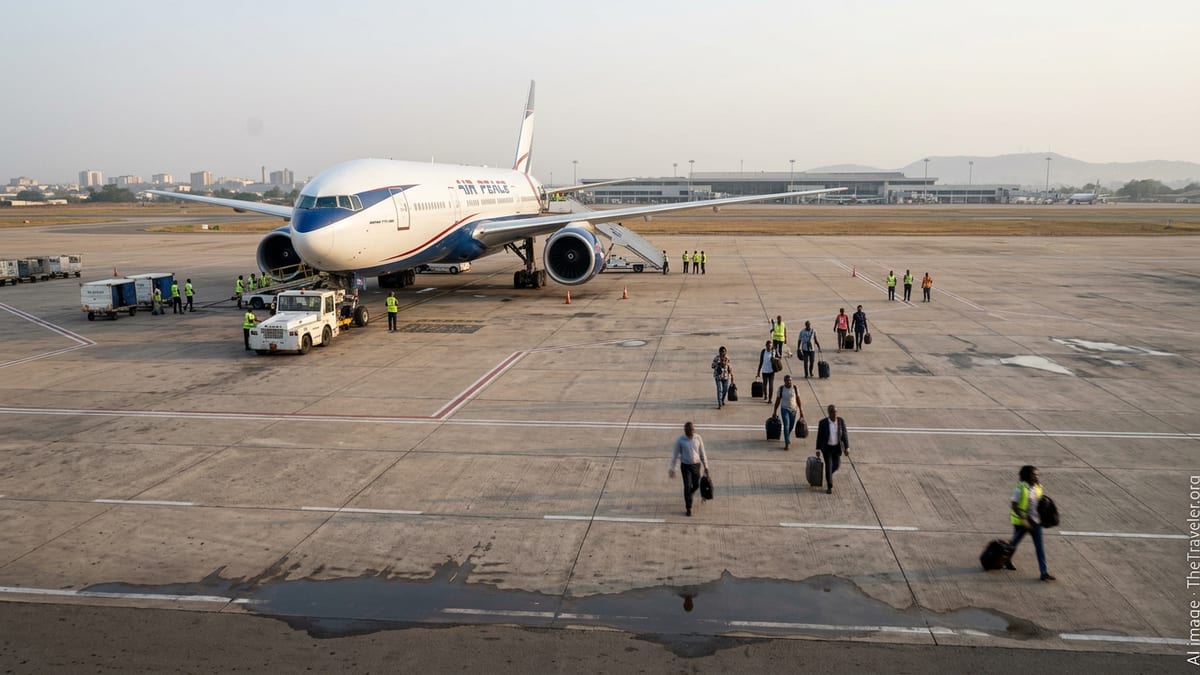
Nigeria’s domestic airlines logged thousands of delayed flights in August 2026, with Air Peace and United Nigeria Airlines standing out for the highest disruption levels, according to a newly published operational summary attributed to the Nigerian Civil Aviation Authority (NCAA).
Get the latest news straight to your inbox!
What the NCAA’s August disruption numbers show
Published coverage of the NCAA’s “Summary of Domestic Airline Flight Disruption Operations in August 2026” indicates domestic carriers recorded 4,765 delayed flights and 36 cancellations during the month, highlighting how routine schedule reliability remains a challenge across key trunk routes.
Air Peace, Nigeria’s largest domestic operator by flight volume, reportedly posted the highest number of delayed flights in absolute terms. Publicly reported figures indicate the airline operated 1,864 domestic flights in August and recorded 1,330 delays, translating to a delay rate of about 71% for the month.
United Nigeria Airlines, according to the same published breakdown, recorded 943 delays out of 1,231 operated flights. While Air Peace led by raw count, published coverage describes United Nigeria as posting the worst delay rate, roughly 76.6%.
Delay rates vs. total delays, and why both matter to travelers
For passengers trying to plan trips with tight connections between meetings, weddings, or onward international departures, the difference between “highest number of delays” and “highest delay rate” is more than a technicality. A high flight count can produce a high number of delays even when performance is similar to peers, while the delay rate shows the likelihood that any given flight will leave late.
In the August data reported by multiple outlets, Air Peace’s large schedule means its total delay count dominates the chart, while United Nigeria’s percentage suggests a greater chance of disruption on any individual flight. For travelers, the practical takeaway is that both metrics shape risk: frequency of operations can create more rebooking options, but a high delay rate can still undermine time-sensitive plans.
Some published reporting on the NCAA summary also points to “longest delays” as a separate measure, with Air Peace accounting for a large share of the most extended disruptions logged in August. That distinction matters because a short delay can be inconvenient, while very long delays can force overnight stays, missed events, and additional costs.
What passengers are entitled to under Nigeria’s consumer rules
While the August figures have fueled fresh scrutiny of airline punctuality, Nigeria already has a consumer-protection framework for delays and cancellations under Nig.CARS Part 19, which sets out minimum airline obligations and avenues for redress.
Publicly available NCAA consumer guidance indicates that when a delay reaches the 2 to 4 hour range, airlines are expected to provide basic assistance such as refreshments and communication options (including phone calls, SMS, or email), subject to the specific conditions in the regulations and airline policies.
When disruptions escalate, passengers can also pursue formal complaints through the NCAA’s Consumer Protection channels, including airport consumer protection desks and the regulator’s online complaint process. The NCAA’s own materials describe a structured complaint pathway when airline responses are insufficient, positioning the regulator as a backstop for enforcement of passenger-rights provisions.
Why August was especially disruptive, and what to watch next
August is historically a high-demand travel month in Nigeria, and in 2026 it also coincided with operational friction points reported across the aviation sector. Separate published coverage during August described industrial actions and airport disruptions that affected domestic operations at major hubs, adding strain to already tight schedules.
Even without a single dominant cause, the NCAA summary’s scale indicates systemic reliability issues: aircraft availability, turnaround times, weather constraints, airport congestion, and passenger-processing bottlenecks can all compound when schedules are dense. For travelers, the result is predictable uncertainty, especially on early-morning rotations that can cascade delays through the day.
Looking ahead, passengers booking domestic trips in Nigeria may want to build wider time buffers for same-day returns or onward international departures, and pay close attention to airline notifications before leaving for the airport. The NCAA’s publication of airline-by-airline disruption figures suggests the regulator is placing renewed emphasis on performance monitoring, and future monthly summaries may show whether carriers improve as scrutiny intensifies.