


More news on this day
The United States has renewed its global caution for travelers as commercial flights to Kuwait and Bahrain begin to resume following months of war-related disruption across Gulf airspace, highlighting a fragile recovery in regional connectivity even as security risks persist.
Get the latest news straight to your inbox!
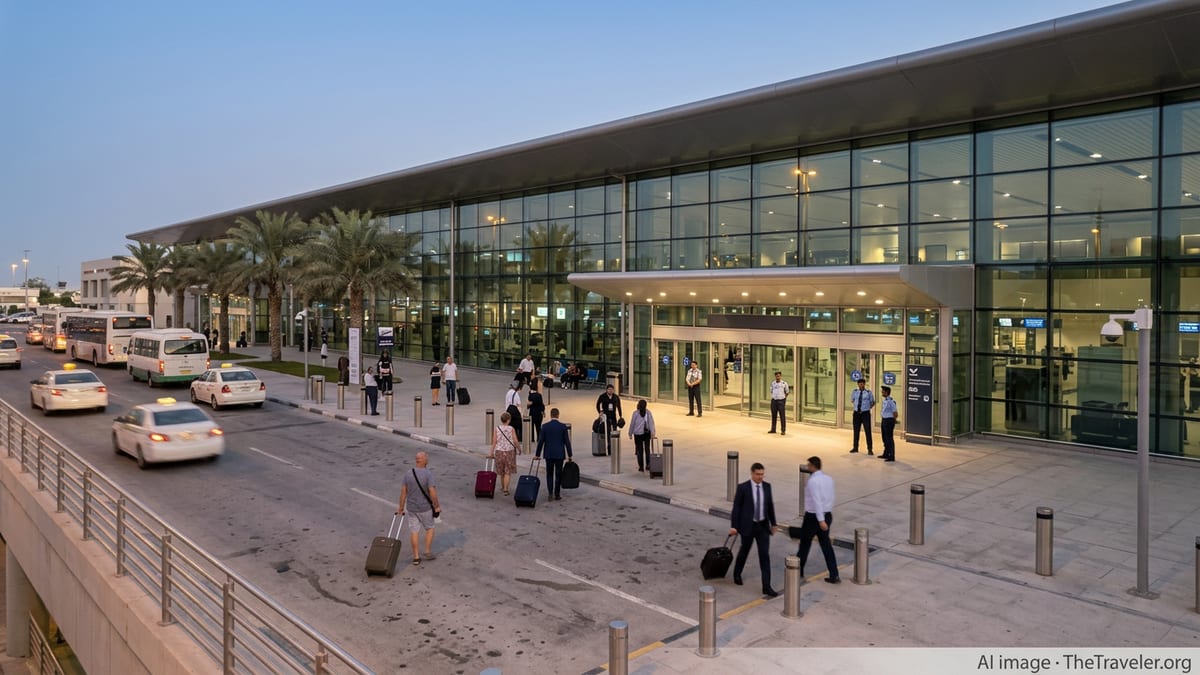
Fresh US alert amid evolving Gulf security landscape
The updated worldwide caution from US authorities, issued in mid-July, underscores the potential for sudden travel disruption in the Middle East as airlines work to restore services that were cut during the Iran conflict earlier this year. The advisory reiterates that flight cancellations, temporary airspace closures and rapid changes to airline schedules remain possible with limited notice.
Publicly available information indicates that Kuwait and Bahrain, both heavily affected by missile and drone activity and temporary airspace shutdowns earlier in 2026, remain covered by higher-level country-specific advisories that urge travelers to reconsider nonessential trips. These advisories reference the risk of further attacks on critical infrastructure and foreign interests, as well as indirect effects such as airport closures and route diversions.
The global caution also highlights the possibility that any escalation in regional tensions could quickly ripple across commercial aviation, affecting transit passengers and those connecting through hub airports in the Gulf. Travelers are urged in public guidance to maintain flexible plans, monitor airline updates closely and be prepared for last-minute changes to itineraries.
Kuwait flights restart after airspace shutdown and airport damage
Kuwait International Airport has been gradually returning to service after airspace was closed and facilities damaged during strikes linked to the Iran war earlier this year. Government bulletins and regional media coverage describe a phased reopening, with initial restrictions on operating hours and terminals followed by the restoration of a wider range of international services.
Recent statements from Kuwait’s civil aviation authorities and local news outlets indicate that air traffic has now largely resumed, with flights operating in line with approved schedules and ongoing monitoring of the security situation. International carriers began returning in stages from June, and timetable data suggests that services to key regional and European destinations have restarted, although some routes remain reduced or subject to late-notice timetable changes.
Foreign government travel advice notes that Kuwait International Airport is currently operating through selected terminals while repairs continue on damaged infrastructure. Passengers are advised to check which terminal their airline is using and to allow additional time at the airport while authorities complete reconstruction and adjust capacity to meet demand.
Bahrain ramps up operations as airlines rebuild networks
Bahrain, home to a major US naval presence and a significant regional aviation hub, experienced repeated disruptions earlier in 2026 after missile and drone strikes and subsequent airspace closures. Commercial operations at Bahrain International Airport were temporarily curtailed as airlines diverted or canceled flights and local authorities assessed damage and security conditions.
In recent weeks, regional aviation reporting shows that Bahrain’s airspace has reopened and national carrier Gulf Air has been progressively restoring services. Schedules published by airlines and airport operators indicate that more routes are being reactivated, including key connections across the Gulf, to South Asia and to European destinations, although frequencies on some corridors remain below pre-crisis levels.
Travel advisories from several governments still urge heightened caution for trips to Bahrain, citing an unpredictable security environment and the possibility of renewed missile or drone activity. Guidance commonly emphasizes that additional checks, shelter-in-place drills and temporary suspensions of airport operations may occur with little warning, affecting both origin and transit passengers.
Airlines navigate complex risk environment and operational backlogs
Carriers operating to and through Kuwait and Bahrain are continuing to adjust schedules as they deal with a backlog of disrupted passengers and navigate evolving safety guidance. Industry updates compiled over recent weeks show that some airlines temporarily halted services to both countries at the height of the conflict before gradually resuming flights as airspace restrictions eased.
According to regional travel coverage, services by Gulf-based and international carriers into Kuwait and Bahrain have restarted on a staggered basis, with some flights operating at reduced frequency and others restored only for peak travel periods. Aviation safety agencies have also issued routing guidance and advisories to operators, in some cases recommending that flights avoid portions of regional airspace or maintain specific altitude profiles.
Observers note that even as more aircraft return to their usual routes, operational resilience in the region remains under pressure. Airlines must balance demand for travel with crew duty limitations, aircraft positioning challenges and contingency planning for potential new alerts or temporary closures, complicating advance planning for both carriers and passengers.
What travelers should expect on routes to Kuwait and Bahrain
For US travelers planning journeys to or through Kuwait and Bahrain, current public guidance stresses preparation and flexibility. Prospective visitors are advised to review the latest State Department country advisories and the worldwide caution before booking, with particular attention to security conditions near airports and major transit corridors.
Travel industry reports recommend booking tickets that allow for changes, keeping contact details updated with airlines and monitoring flight status frequently in the days leading up to departure. Travelers using Kuwait or Bahrain as transit hubs may wish to plan longer connection windows to account for potential security checks, delays in boarding or re-screening, and temporary pauses in airport operations.
Advisories from multiple governments also highlight the importance of having contingency plans, including alternative routing options through other regional hubs and sufficient funds or insurance coverage to manage unplanned stopovers. While the resumption of flights to Kuwait and Bahrain marks a significant step toward restoring normal connectivity, public information stresses that the regional security backdrop remains fluid, and that future disruptions cannot be ruled out.