


More news on this day
The United States has renewed urgent security alerts across the Middle East, warning American citizens that a tense and fast-moving security environment could trigger “unforeseen escalation,” sudden airspace closures, flight cancellations and significant travel disruptions across the region.
Get the latest news straight to your inbox!
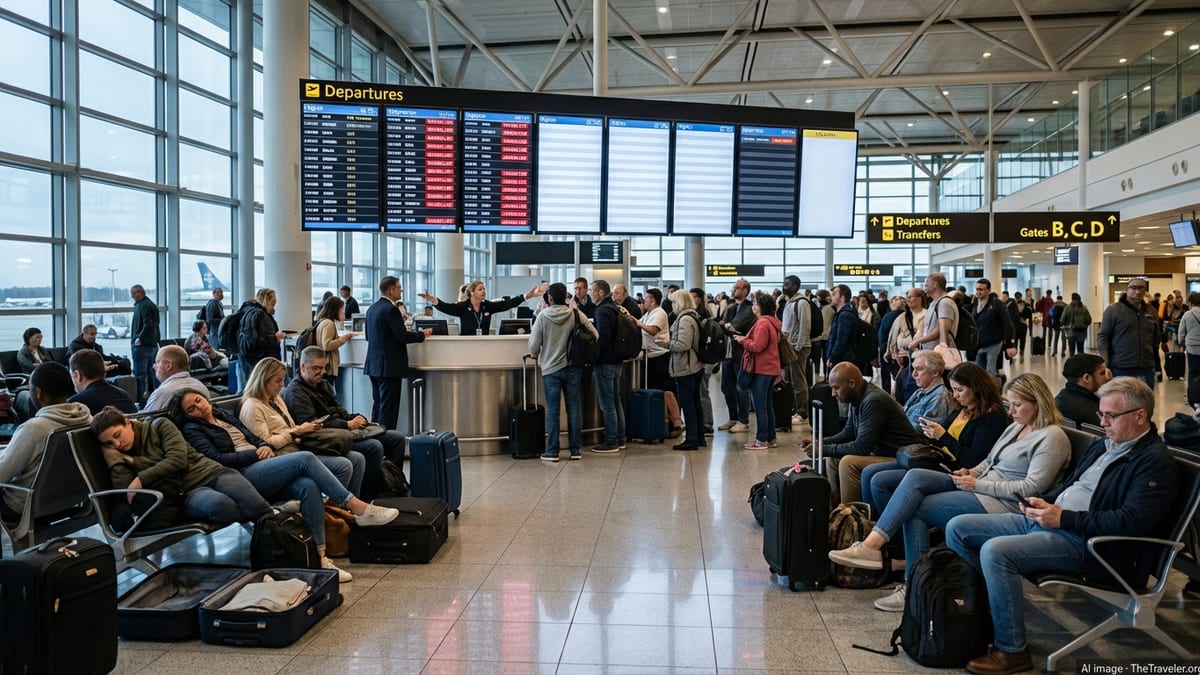
Region-wide alerts highlight evolving Iran-linked tensions
Publicly available notices from the U.S. State Department and multiple American embassies in the Middle East describe a complex security environment closely tied to the latest round of hostilities involving Iran and U.S.-aligned forces. Recent reporting notes that the alerts follow new U.S. strikes on Iranian military targets and ongoing exchanges of fire around key maritime and energy corridors.
A worldwide caution notice updated in late July states that, due to heightened tensions in the Middle East, the security situation remains complex with the potential for “unforeseen escalation.” The language has now been repeated across regional embassy alerts, signaling a coordinated message that any new incident at sea, on land or in the air could quickly alter risk levels for travelers.
Coverage from international outlets indicates that Iran and groups supportive of Tehran have been linked to recent drone and missile activity and have publicly signaled an intent to target locations associated with the United States and its partners. In this context, the renewed alerts are framed as a precaution for Americans living, working or transiting through the region rather than a call for immediate evacuation.
What the new alert means for air travel and transit
The most immediate concern for travelers is the potential for flight disruptions. Embassy security messages circulated this week warn Americans in the Middle East to be prepared for flight cancellations, periodic airspace closures and rerouting of commercial services. Travelers are urged, in publicly available guidance, to check airline schedules frequently and to maintain flexible plans for onward or return journeys.
Advisories and media reports note that some carriers have already adjusted routes around the Gulf and eastern Mediterranean in response to earlier phases of the crisis, with short-notice timetable changes becoming more common. Analysts who track airline operations in the region suggest that further shifts are possible if military activity intensifies near major hubs such as Dubai, Doha or key Saudi and Kuwaiti airports.
For connecting passengers, the alert underscores the risk of relying on tight layovers or single-point itineraries through Middle Eastern hubs. Industry-focused reporting recommends leaving wider time buffers between flights, monitoring airline and airport feeds on the day of travel, and ensuring that tickets are either refundable or changeable without prohibitive fees.
Country advisories vary but share common risk themes
While the latest messaging adopts a region-wide tone, individual country advisories reveal differing levels of concern. Recent updates for destinations such as the United Arab Emirates and Jordan maintain “reconsider travel” guidance linked to both terrorism threats and the broader armed conflict between the United States and Iran. These country pages highlight the ongoing risk of drone and missile attacks and note that commercial flights have already faced periodic disruption since hostilities escalated earlier in the year.
Advisories also emphasize the possibility of attacks on transportation hubs, tourist locations, shopping centers, government buildings and sites associated with Jewish and Israeli communities. In several cases, U.S. government personnel are subject to additional movement restrictions, particularly around military bases, ports and critical energy infrastructure, reflecting concerns that such locations could be singled out during any escalation.
At the same time, regional reporting points out that daily life in parts of the Gulf and Levant continues with relative normality, with many tourist sites and hospitality businesses remaining open. The contrast between routine activity on the ground and elevated official risk assessments illustrates how quickly conditions could change if new strikes or retaliatory actions occur.
Practical steps for Americans currently in the region
The alerts urge Americans already in the Middle East to exercise heightened vigilance, maintain situational awareness and prepare for the possibility of rapid changes in the operating environment. Published guidance encourages travelers to enroll in government notification systems so they can receive real-time security updates via email or messaging apps.
Security and risk-advisory documents referenced in public reporting suggest maintaining a modest reserve of essential supplies, including medication, in case of temporary disruptions to local services or difficulties reaching airports. Travelers are also encouraged to ensure that passports, residency permits and visas for all family members are valid and easily accessible should circumstances require a quick departure.
For those living long term in regional hubs, analysts recommend considering alternative exit routes that do not rely on a single airport or airline, and reviewing travel and medical insurance to confirm coverage in the event of conflict-related disruption. Guidance commonly stresses the need for a personal contingency plan that does not depend on direct government assistance, particularly if airspace closures affect commercial or charter operations.
Planning future trips: weighing risk against necessity
For travelers still in the planning stage, publicly available information from government advisories and industry sources suggests a cautious, case-by-case approach. Leisure trips that require transits through multiple high-risk locations may warrant postponement, whereas essential work or family travel could proceed with enhanced preparation and flexibility.
Risk specialists cited in recent travel and security analysis recommend closely reviewing the specific advisory level for each intended destination, as conditions can differ significantly between, for example, Gulf business hubs and areas closer to active fronts. They also note that many policies, including some standard travel insurance plans, may exclude coverage for events linked to war or political violence, making it important to read terms carefully before departure.
Across the board, the latest alerts reiterate that the security environment in the Middle East remains fluid, with the potential for unforeseen escalation at short notice. For American travelers and expatriates, that means building in more redundancy, flexibility and awareness than usual, while following reputable information channels for the latest updates on both security developments and practical travel disruptions.
U.S. State Department Travel Advisories
U.S. State Department Worldwide Caution