


More news on this day
The United States has imposed new restrictions on government travel to the Mexican border city of Nogales in Sonora, citing unspecified threat information that has led to tighter security guidance for official personnel along a key stretch of the border.
Get the latest news straight to your inbox!
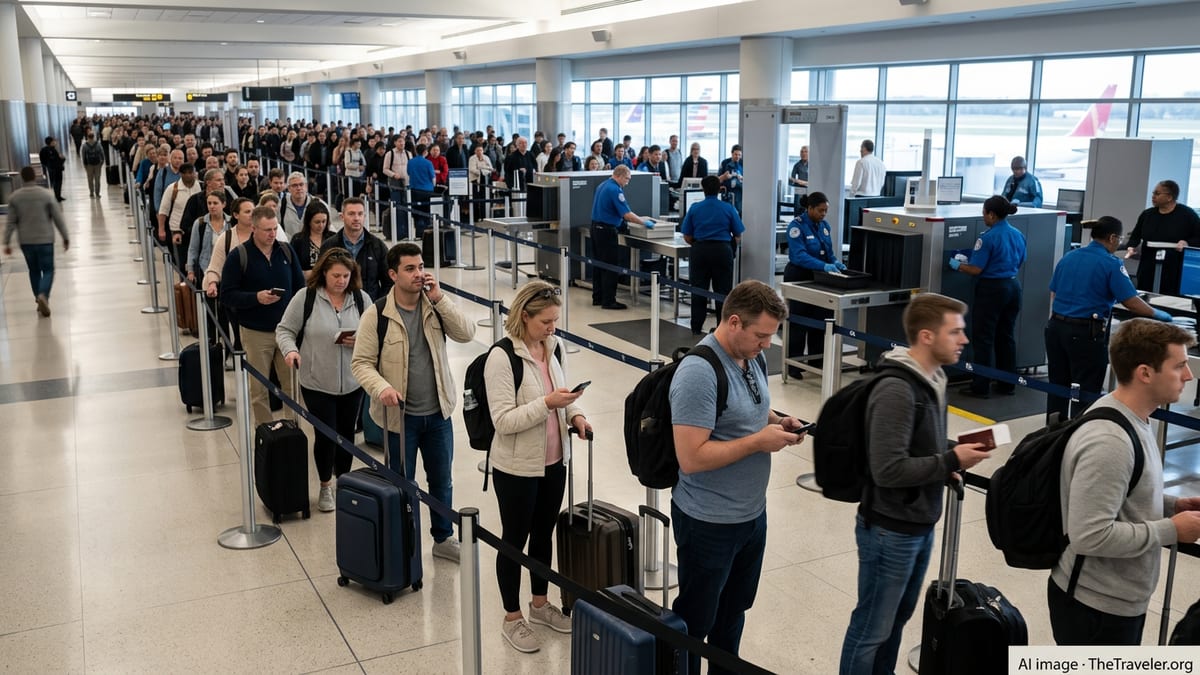
Security alert narrows official travel in Nogales
Publicly available information from recent coverage indicates that the United States Embassy and Consulates in Mexico have limited official travel and activities in Nogales to essential movement during daylight hours only. Reports describe the move as a response to threat information that has not been detailed publicly but is considered serious enough to tighten long-standing security rules for government personnel in the city.
According to multiple news accounts, the alert focuses on Nogales, a busy crossing point in the state of Sonora that sits opposite Nogales, Arizona. Government employees are being advised to avoid nonessential trips in and around the Mexican city and to restrict any required movement to specific times and conditions set out in the latest guidance.
Media summaries of the alert note that it follows a broader pattern of targeted security messages for U.S. government staff across northern Mexico, where cross-border commerce and travel remain robust but are periodically disrupted by localized threats.
Nogales and the wider pattern of border security warnings
The new limits for Nogales arrive amid a series of recent alerts on the northern Mexican border. In late August, a separate security message led to a temporary suspension of U.S. government activities and travel in Mexicali, Baja California, for a specified period after threat information was received in that city. Similar measures have occasionally appeared in other border hubs where officials assess elevated risk for short windows of time.
Travel-advisory information from the U.S. government already highlights the potential for crime and violence in parts of northern Mexico, especially along routes prized by organized criminal groups. The longstanding guidance urges U.S. citizens to monitor local conditions closely and notes that private travelers are often encouraged to mirror restrictions placed on official personnel when heightened alerts are issued.
Analysts of regional security trends point out that these short-term adjustments rarely imply a complete halt to travel but instead aim to recalibrate where, when, and how official staff move around specific cities. Nogales is now one of several locations where advisories have shifted within the past year as conditions evolve.
Implications for cross-border travelers and tourism
While the latest restrictions apply directly to U.S. government employees, public guidance routinely recommends that private travelers consider similar precautions. For Nogales, that can include limiting visits to essential daytime activities, remaining in well-trafficked areas, and monitoring updates from official advisory channels before crossing the border.
Travel industry observers note that border cities like Nogales rely on a steady flow of visitors for shopping, family visits, and medical services. Security alerts can temporarily dampen demand, particularly among travelers who are unfamiliar with the region or who depend heavily on U.S. government messaging to shape their risk assessments.
Despite periodic alerts, international travel advice for Mexico continues to emphasize that risk levels vary significantly by state, city, and even neighborhood. Well-traveled corridors and commercial districts may see few visible changes, even when official guidance for government staff is tightened in the same metropolitan area.
How the Nogales alert fits into Mexico-wide guidance
Mexico’s countrywide travel advisory system already distinguishes between states and often includes city-specific instructions for U.S. government personnel. In some states, staff face strict curfews, restrictions on intercity road travel, or bans on certain highways at night. In other locations, including major tourist centers, there may be comparatively few limits on movement.
The Nogales-specific measures appear to build on this framework by adding a tailored response to a localized threat. Coverage of the alert stresses that consular services and cross-border trade routes remain open, even as official personnel are directed to adhere to more conservative movement patterns inside the city.
For travelers planning trips to the border region, publicly available guidance underscores the importance of reviewing the latest Mexico country advisory and any city-level security messages shortly before departure. Conditions can change quickly, and localized alerts such as the one affecting Nogales may not align neatly with perceptions based on previous visits or on conditions in neighboring destinations.
Practical steps for travelers watching the situation
Travel publications and advisory platforms generally suggest a few practical steps for visitors navigating periods of heightened alert in a place like Nogales. Checking for new security messages from U.S. and Mexican government sources just before travel is often recommended, along with confirming local conditions with hotels or transportation providers where possible.
Additional common-sense measures include limiting movements at night, staying on main thoroughfares and in established commercial areas, and keeping flexible itineraries in case routes or opening hours change at short notice. Many experienced cross-border travelers also build in extra time for inspections or delays at ports of entry when security alerts are in effect nearby.
As Nogales adjusts to the latest round of guidance for U.S. government personnel, cross-border trips are still possible but may require added planning and awareness. The evolving situation illustrates how localized threat information can quickly shape official travel rules on the U.S.–Mexico border, with ripple effects for visitors who rely on those signals when making decisions about where and when to go.