


More news on this day
U.S. travelers weighing high-risk adventure trips are being urged to look closely at some of the starkest federal guidance in effect, including language advising Americans headed to Afghanistan to draft a will and formally designate insurance beneficiaries before they depart.
Get the latest news straight to your inbox!
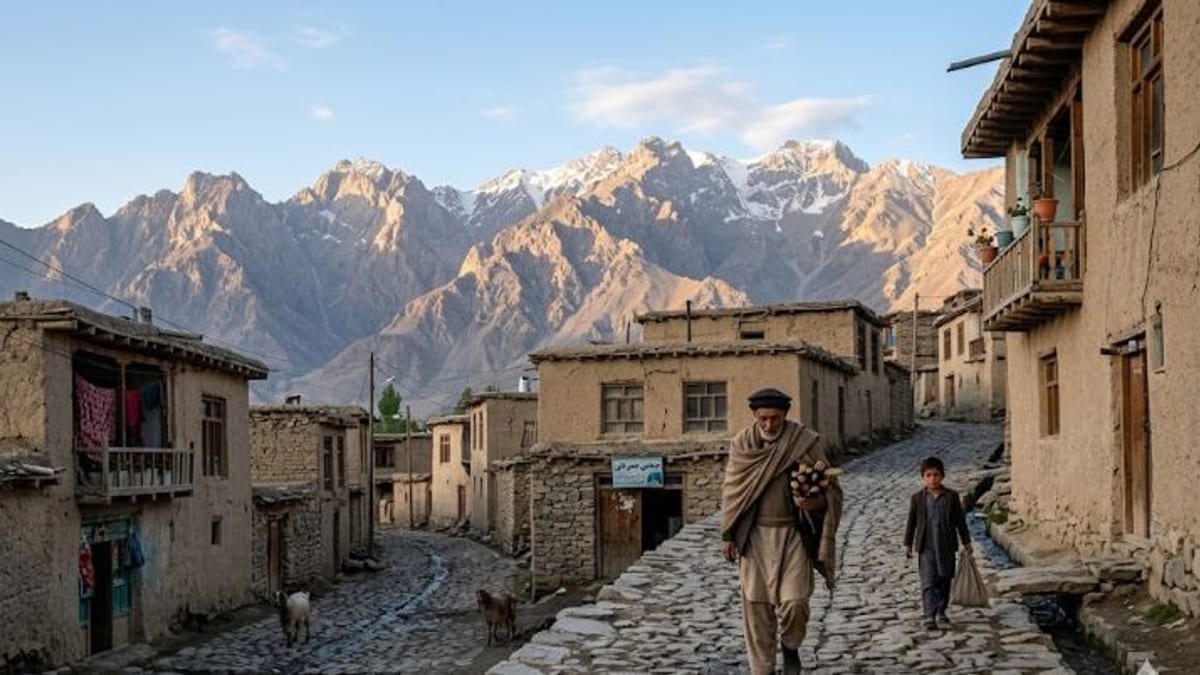
Strong Warnings for a Once-Niche Destination
Afghanistan has never been a mainstream holiday choice for Americans, but renewed scrutiny of U.S. travel advisories has pushed the country into the spotlight as an extreme example of risk. Publicly available guidance linked to Afghanistan lays out steps that go far beyond typical reminders about pickpockets or petty crime, including the recommendation that travelers prepare a will before visiting.
Information on the U.S. State Department’s travel advisory portal classifies Afghanistan among the highest-risk destinations in the world, citing threats such as terrorism, kidnapping, armed conflict and limited options for evacuation in an emergency. Separate judicial and legal assistance pages associated with the country explicitly encourage U.S. nationals who insist on entering high-risk areas to draft a will, set beneficiaries for life insurance policies and consider a power of attorney arrangement before they travel.
The unusually blunt language has drawn fresh attention as more Americans show interest in remote or hard-to-reach destinations. While only a small number of specialized tour operators advertise trips to Afghanistan, coverage of the advisory language has highlighted the gap between glossy social media images and the substantial security, legal and logistical challenges on the ground.
Travel risk analysts note that the Afghanistan advisory is not an isolated case but part of a wider system that assigns every country a level from one to four, with level four meaning “do not travel.” However, the explicit suggestion to prepare a will stands out as a vivid indicator of how seriously U.S. officials view the hazards in this particular destination.
What the High-Risk Guidance Actually Says
Legal and consular information related to Afghanistan sets out a checklist-style set of precautions for Americans who may be deployed there for work or who choose to visit despite the level four advisory. Among those measures are recommendations to share travel plans with a trusted contact, enroll in the Smart Traveler Enrollment Program and, critically, to complete a valid will and designate insurance beneficiaries and power of attorney.
Published material explains that such steps are intended to ensure that, if something goes wrong, there is a clear legal framework for managing a traveler’s medical decisions, finances and estate. This can be especially important in countries where local legal systems differ markedly from those in the United States and where access to U.S. consular services is severely constrained.
The same guidance references additional planning steps, such as arranging secure transportation, verifying the credentials of local partners and understanding evacuation options. Public documentation notes that in some high-risk locations there may be little or no capacity for U.S. personnel to reach a traveler quickly, particularly in the event of kidnappings, bombings or sudden shifts in control of territory.
Separate State Department resources on death and emergency assistance abroad describe the complex process that follows when a U.S. citizen dies in another country, including the need for local death certificates, coordination with next of kin and, in some cases, arranging repatriation of remains. These materials underscore why pre-travel legal preparation is emphasized for destinations where the likelihood of life-threatening incidents is considered elevated.
How Afghanistan Compares With Other Popular Hotspots
The tone of the Afghanistan guidance is notably sharper than the language used for more familiar vacation spots in Europe, the Caribbean or much of Latin America, where advisories tend to highlight robbery, scams and, in some locations, elevated levels of violent crime. Reports indicate that even where U.S. authorities urge “increased caution” or “reconsider travel,” there is rarely a specific call for travelers to prepare a will.
By contrast, Afghanistan is grouped with a small number of places worldwide where conflict, insurgency or near-total breakdowns in security make the environment unpredictable. Publicly accessible advisory information notes that criminal groups and extremist organizations have operated with relative freedom in parts of the country, and that foreigners may be targeted for kidnapping, extortion or propaganda purposes.
Travel industry data show that mainstream U.S. vacationers continue to favor destinations such as Mexico, the Caribbean and Western Europe, where the infrastructure for tourism is more developed and where millions of Americans visit every year. While some of these areas periodically see security alerts related to crime or civil unrest, they are not paired with the same level of pre-departure legal preparation that appears in the Afghanistan-specific material.
For U.S. citizens, the comparison underlines how varied global risk levels can be. A single advisory system now covers everything from popular beach resorts to active conflict zones, but the Afghanistan guidance illustrates the outer edge of that spectrum, where travel is strongly discouraged and anyone choosing to go is urged to approach the trip with the kind of planning more often associated with deployment to a war zone than with tourism.
What U.S. Travelers Can Do if They Still Decide to Go
Travel experts who monitor government advisories say that the first step for any American considering a high-risk destination is to read the full country-specific guidance, not just the headline warning level. Official documents often include detailed descriptions of regional variations, recent incidents and limitations on consular support that can inform a more realistic risk assessment.
For Afghanistan in particular, publicly available guidance stresses that security conditions can change quickly and that access to commercial flights, medical care and secure lodging may be extremely limited. Travelers are therefore encouraged to ensure that someone at home has copies of their itinerary, identification documents and any legal paperwork, including a will or power of attorney, before they leave.
Specialist insurance policies, including coverage for evacuation or kidnap and ransom response, are another consideration. Some policies specifically exclude coverage for countries under a “do not travel” advisory, which means that travelers may need to seek out niche providers if they intend to go ahead with plans involving Afghanistan or similarly rated destinations.
Given these layers of complexity, many observers note that Afghanistan is not comparable to conventional adventure tourism hotspots, even those with elevated crime or health risks. For most U.S. vacationers, the combination of a level four advisory, explicit recommendations to prepare end-of-life legal documents and the scarcity of reliable on-the-ground services will make the destination effectively off-limits.
Balancing Adventure With Realistic Risk Planning
The explicit suggestion that U.S. travelers prepare a will before setting foot in Afghanistan has resonated widely because it crystallizes a broader trend: more Americans are drawn to adventurous trips just as global security becomes more volatile. Surveys and travel-industry analyses in recent seasons have documented growing interest in off-the-beaten-path destinations, even as governments expand and refine their warning systems.
Advisory frameworks are designed to help travelers make informed choices, but they also leave room for personal risk tolerance. For some, any mention of kidnapping or terrorism is enough to rule out a country. For others, the presence of a warning prompts deeper research into local partners, regional conditions and possible mitigations.
Travel safety specialists generally recommend that anyone considering high-risk travel separate the emotional appeal of a destination from the practical requirements of going there. In the case of Afghanistan, that means not only being aware of the level four advisory but also understanding the implications of guidance that anticipates worst-case outcomes and encourages detailed legal planning in advance.
For now, Afghanistan remains a niche destination for a small number of highly experienced travelers and professionals, rather than a realistic option for mainstream U.S. vacationers. The language about drafting a will serves as a stark reminder of why it sits at the far end of the risk spectrum, even as adventure-minded Americans continue to look for new places to explore.