


More news on this day
Vietnam is set to introduce some of Southeast Asia’s most comprehensive passenger-protection rules next month, with a new air transport decree mandating automatic assistance, refunds, and rebooking options when flights are delayed, canceled, or significantly rescheduled.
Get the latest news straight to your inbox!
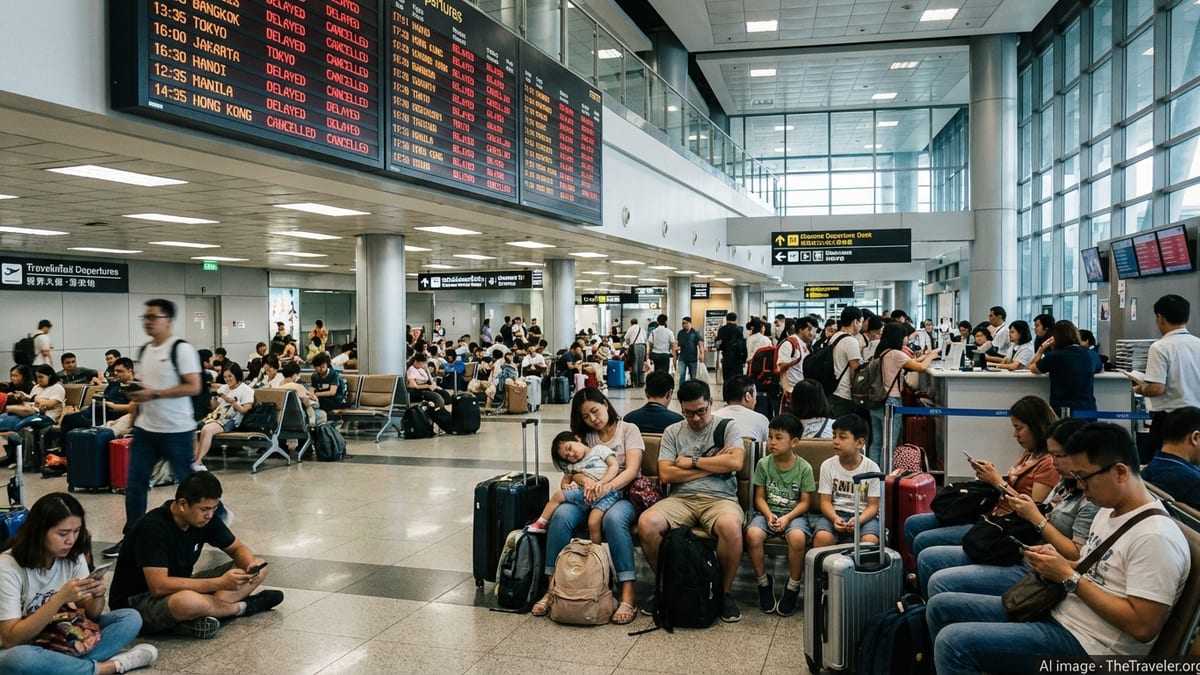
New Decree Targets Chronic Flight Disruptions
According to publicly available government documents and domestic media coverage, Vietnam’s Government has issued Decree No. 208/2026 on air transport, which significantly strengthens passenger rights in cases of flight disruption. The regulations, scheduled to take effect on July 1, 2026, spell out in detail how airlines must inform, support, and compensate travelers when operations do not go as planned.
The decree applies to both domestic and international flights operated by Vietnamese carriers, and to foreign airlines on certain routes within Vietnam’s jurisdiction. It sets out clearer obligations regarding delays, cancellations, schedule changes, and so-called tarmac delays when passengers are kept on board an aircraft for extended periods before takeoff or after landing.
Reports indicate that the rules are designed to close gaps exposed by years of rapid aviation growth and recurring congestion at major hubs such as Hanoi and Ho Chi Minh City. By codifying service standards and financial remedies, policymakers appear to be aiming to bring Vietnam closer to the passenger-rights regimes seen in the European Union and parts of North America.
The move comes as Vietnam’s aviation market continues to expand, with stronger domestic tourism and an uptick in international arrivals. Analysts note that more consistent compensation rules may help bolster traveler confidence, especially among foreign visitors who are often unfamiliar with local carrier policies.
Automatic Support and Real-Time Communication for Delays
Under the new decree, airlines must move more quickly and proactively when delays occur. Publicly available summaries of the rules show that carriers are required to notify passengers as soon as a disruption is anticipated, provide an explanation of the cause, and update revised departure times at least every 30 minutes through airport information systems and other channels.
The rules also introduce tiered obligations based on the length of the delay and whether the airline is at fault. For shorter disruptions, airlines must at minimum ensure passengers receive information and basic support services. As delays lengthen, obligations escalate to include refreshments, meals, and assistance with communication, such as access to phone calls or other means to change onward plans.
Domestic legal analyses and news reports highlight that, when a delay is attributable to the carrier, it must actively offer passengers the ability to change departure time or reroute to reach their final destination without charging additional surcharges or imposing restrictive conditions. This represents a shift from previous practice, where such flexibility often depended on carrier goodwill or individual fare rules.
Industry observers suggest that the emphasis on automatic support, rather than purely on cash compensation, reflects Vietnam’s effort to keep passengers moving and minimize knock-on disruption across a route network that still has capacity constraints at key airports.
Refunds, Free Rebooking, and New Cash Compensation Thresholds
The most consequential change for many travelers will likely be the combination of free rebooking options and clearer entitlement to refunds when delays or cancellations become lengthy. Based on official texts and specialist legal commentary, passengers facing delays of four hours or more due to airline fault will be entitled to either a full fare refund or a refund of the unused portion of the ticket if they decline alternative arrangements.
In addition, carriers must provide advance cash compensation in certain cases, separate from refunds or rebooking. Vietnamese media coverage indicates that this compensation will apply to passengers holding valid tickets and confirmed reservations when delays exceed specific thresholds or when flights are canceled. The payment is described as non-refundable from the passenger’s perspective, meaning it cannot later be clawed back even if the traveler accepts rebooking.
Reports also note distinct obligations for cancellations. When a flight is canceled for reasons attributable to the airline, carriers must either rebook passengers on an alternative itinerary or another flight so they can reach their final destination, again without applying restrictive conditions or additional surcharges, or issue refunds according to the passenger’s choice.
For schedule changes announced in advance, airlines will need to inform passengers and offer appropriate remedies once modifications exceed specified time limits. This is intended to cover cases where a flight is moved to an earlier or much later time, effectively disrupting travel plans in a way similar to last-minute delays.
Protections From Overnight Airport Stays and Tarmac Delays
The decree pays particular attention to situations that often cause the greatest frustration for travelers, including overnight disruptions and long waits on the aircraft. Commentaries on the new rules highlight specific provisions governing tarmac delays and extended on-board waiting times before takeoff or after landing, which require carriers to provide essential services and, in defined circumstances, return passengers to the terminal.
Where a delay or cancellation forces passengers to remain overnight, published summaries state that airlines may be required to arrange accommodation and ground transport within the scope of their available services, especially when the disruption is within the carrier’s control. While exact thresholds and conditions vary depending on the cause, the clear intent is to reduce the likelihood of travelers sleeping in terminals without assistance.
The framework also formalizes carrier responsibilities toward passengers needing special support, such as older travelers, people with reduced mobility, or those requiring medical attention. In emergency situations, airlines must provide appropriate assistance aligned with safety and operational constraints.
Observers note that these elements bring Vietnam more in line with broader international norms on tarmac delays and overnight disruptions, where regulators increasingly expect airlines to prioritize basic welfare and transparent communication alongside financial remedies.
Implications for Airlines and Travelers in a Growing Market
The new Vietnamese rules arrive at a time when airlines globally are adjusting to stricter passenger-rights standards and heightened scrutiny over customer service. Industry commentary suggests that carriers operating in Vietnam will need to revise internal procedures, staff training, and digital systems to ensure automatic eligibility checks, prompt notifications, and streamlined processing of refunds and compensation.
For travelers, the decree is expected to provide clearer expectations about what happens when flights do not depart or arrive on time. Travel agents and consumer advocates are already drawing attention to the July 1 start date, encouraging passengers to familiarize themselves with their rights and to retain documents such as boarding passes and receipts should they need to claim compensation.
The changes may also influence the competitive landscape. Airlines that invest early in technology to automate notifications, rebooking, and refund processing could differentiate themselves through smoother disruption handling, while those that fall short risk higher complaint volumes and reputational damage in a market where social media can quickly amplify service failures.
Vietnam’s decision to codify automatic support and structured compensation mechanisms signals a broader shift in how the country positions itself as an aviation hub and tourist destination. As international traffic continues to recover and expand, the new framework could become a reference point for passenger-protection efforts elsewhere in the region.