


More news on this day
Passengers flying from Newcastle International Airport are facing a fresh spell of disruption, with live flight data showing delays and late-night arrivals on services operated by Jet2, Ryanair, TUI and other major carriers.
Get the latest news straight to your inbox!
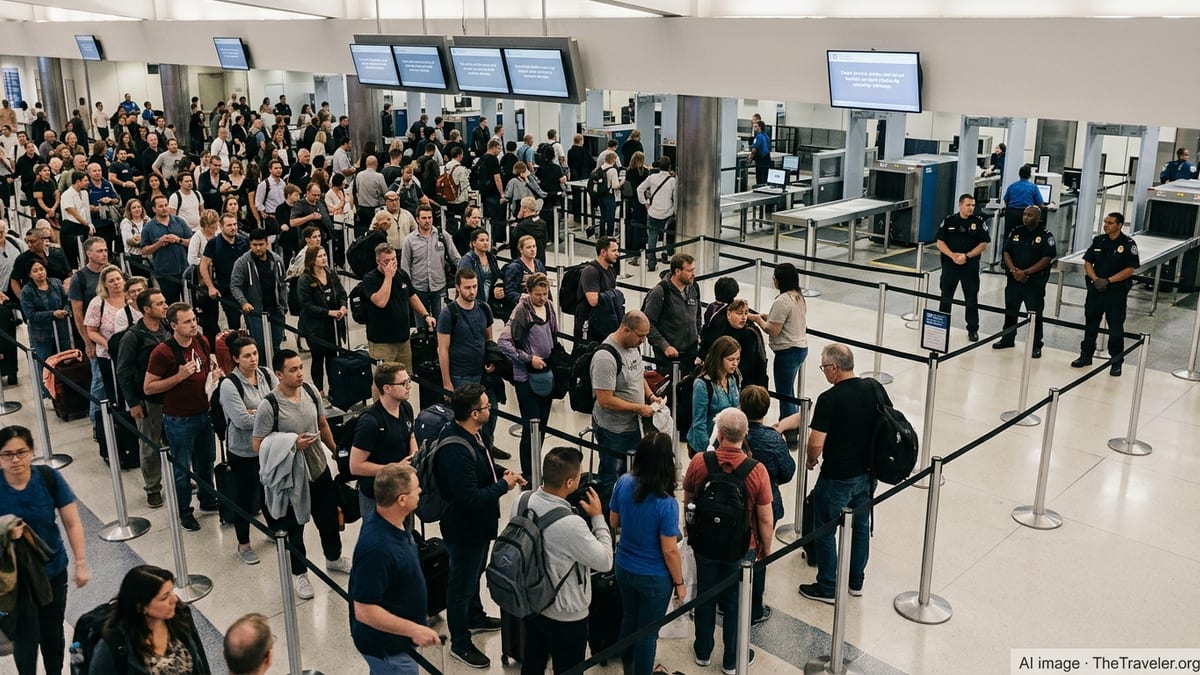
Late arrivals and schedule changes hit key leisure routes
Live tracking data indicates that several leisure services into and out of Newcastle have been affected by knock-on delays, particularly on popular Mediterranean routes. A Jet2 service from Paphos to Newcastle scheduled for June 17, for example, showed a significantly revised timetable, with departure pushed back to late evening and arrival shifting into the early hours of the following day. Similar patterns have been recorded on other sun routes where tight turnarounds can magnify small schedule changes into lengthy waits for passengers.
Ryanair departures from Newcastle to destinations such as Malaga and Palma de Mallorca on June 18 are listed as operating to updated timings, reflecting ongoing adjustments to the daily schedule rather than outright cancellations. While most flights continue to operate, the shifting departure and arrival times have left some holidaymakers facing longer days at the terminal or shorter first nights at their destinations.
TUI services are also operating within a busy summer schedule mapped out in Newcastle Airport’s official flight guides for winter 2025 and summer 2026. Those guides show dense programme patterns to Spain, Greece and the Canary Islands, where small operational issues can quickly reduce flexibility and contribute to late running across multiple airlines using the airport.
Newcastle International Airport functions as a key base and focus city for Jet2, Ryanair and TUI Airways, alongside other carriers. That concentration of leisure traffic, while offering extensive destination choice, can also mean that disruption affecting one operator or route may ripple across others sharing the same constrained runway and stand capacity at peak times.
Knock-on disruption in a tightly packed summer schedule
The latest published summer 2025 and 2026 flight guides for Newcastle highlight how tightly packed the seasonal schedule has become. Multiple daily rotations to Spanish islands, Greek resorts and other short-haul hotspots are operated by Jet2, Ryanair and TUI, with additional capacity from easyJet and other partners. In this context, any technical issue, late inbound aircraft or slot restriction can quickly translate into delays for departing passengers.
According to publicly available timetables, several routes are operated year round by more than one carrier, such as services to Fuerteventura and Dublin, while others operate at high weekly frequencies during the peak holiday period. Industry observers note that this structure provides choice but also raises exposure to knock-on disruption when one flight arrives late and the same aircraft is scheduled to operate the next sector in rapid succession.
Real-time tracking information for Newcastle shows that the majority of flights are still arriving within a relatively normal window, yet a visible minority are tagged as delayed or revised. For passengers, even modest schedule changes can mean missed ground transfers, late hotel check-ins and additional costs for refreshments at the airport.
Travel industry coverage suggests that similar patterns are being observed across a number of busy UK regional airports as airlines work high-frequency leisure schedules through early and mid-summer. Newcastle’s role as a major gateway for northern England and southern Scotland means that any cluster of delays has the potential to affect a large catchment of holidaymakers on the same day.
Advice for passengers using Newcastle in the coming days
Consumer travel guidance recommends that passengers flying from Newcastle International with Jet2, Ryanair, TUI and other airlines over the coming days build in extra time at the airport and monitor their flight status regularly. With live data showing adjusted departure times on specific services, travellers are being encouraged to use airline apps and airport departure boards for the latest information on gate changes and delays.
Holidaymakers with connecting ground transport, such as pre-booked coaches or private transfers, may wish to allow additional buffer time between scheduled arrival and onward travel. Reports indicate that late-night and early-morning arrivals are a particular pressure point, where even short delays can push flights closer to airport quiet hours and squeeze available public transport options.
Travel insurance policies often include some form of delay cover, but eligibility and claim thresholds vary. Consumer advice columns stress the importance of keeping boarding passes, booking confirmations and any written notices of disruption provided by airlines, as this documentation can help if passengers later seek compensation or reimbursement for additional costs.
Passengers are also encouraged to familiarise themselves with their airline’s specific disruption policies. Jet2, Ryanair and TUI each publish guidance on assistance, refreshments and rebooking options when delays reach set thresholds, although the level of support can differ depending on the cause of the delay and the regulatory framework that applies to the particular journey.
Capacity growth and operational pressures at a busy regional hub
Newcastle International Airport has expanded its network in recent seasons, adding new destinations and increasing frequencies with its major partners. Flight guides for winter 2025 and summer 2026 list new routes with Jet2 and Ryanair, as well as an extensive programme from TUI, underlining the airport’s strategic role in the UK leisure market.
As capacity has grown, so have the operational demands on ground handling, air traffic management and turnaround times. Industry analysis of UK regional airports notes that any mismatch between infrastructure and rapid traffic growth can lead to short periods of congestion, particularly at the first departure wave of the day and the evening peak when many leisure flights are scheduled.
With several airlines relying on Newcastle as a base for aircraft and crew, a single late inbound flight can have implications not just for one departure but for subsequent rotations. This is especially true on busy Mediterranean routes where aircraft may be tasked with multiple sectors in one day and have limited slack time built into their schedules.
Observers point out that, while current disruption at Newcastle is not on the scale of previous high-profile episodes seen at larger UK hubs, the pattern of sporadic but sometimes lengthy delays underlines the delicate balance between stretching capacity and maintaining punctuality. For airlines operating on thin margins, maximising aircraft utilisation is commercially attractive but can reduce resilience when problems arise.
What travellers should watch for as summer peaks
With the main school holiday period still to come, there is potential for further pressure on Newcastle’s operation, particularly on peak travel days. Travel analysts suggest that Fridays, weekends and bank holidays are likely to see the heaviest traffic, when multiple Jet2, Ryanair and TUI flights are scheduled to depart within short windows to similar destinations.
Passengers are being advised in published guidance to plan conservatively, assume possible queues at security and boarding, and ensure that essential items and a change of clothes are carried in hand luggage in case of extended delays or late arrivals. Families travelling with children and passengers with reduced mobility may be especially affected by long waiting times and should build in additional flexibility where possible.
According to publicly available performance data, airlines and airports across Europe are working to smooth operations this summer through staffing, improved processes and more realistic schedules. However, aviation commentators caution that weather, air traffic control restrictions and technical issues can all still combine to create sudden disruptions that are difficult to predict in detail.
For Newcastle Airport users booked with Jet2, Ryanair, TUI and other carriers, the emerging picture is of a busy regional hub operating close to capacity, where most flights continue to operate but a noticeable minority experience delays. Close monitoring of flight information, flexible planning and awareness of passenger rights remain the key tools for managing the current wave of disruption.