


More news on this day
A deepening power crisis in the Visayas region of the Philippines is beginning to spill over into aviation, with rotating brownouts affecting airport operations just as carriers across Asia push fuel surcharges to multi‑year highs, squeezing both airlines and passengers.
Get the latest news straight to your inbox!
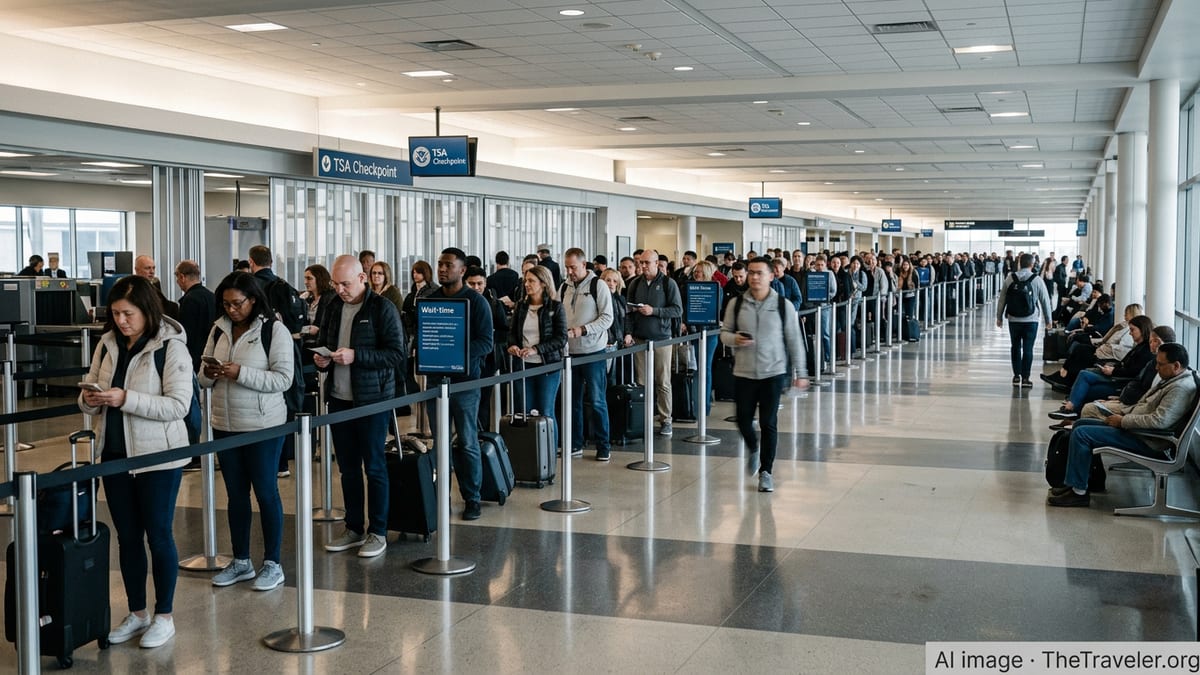
Visayas Grid Strains Put Pressure on Philippine Airports
Publicly available grid data and local coverage show the Visayas power network has spent much of August 2026 under yellow and red alerts, indicating generation shortfalls and forcing distributors into rotational outages across Cebu, Negros and Panay. The National Grid Corporation of the Philippines reported multiple days of red alert conditions in mid and late August, with more than 800 megawatts of capacity unavailable due to plant outages and deratings.
The persistent tight supply has translated into frequent brownouts for households and businesses, including critical transport infrastructure. Local communities describe manual load dropping extending into evenings and weekends, a pattern that erodes the resilience of facilities that rely on grid power for lighting, air-conditioning, baggage systems and security equipment. While major airports typically operate backup generators, sustained or repeated interruptions challenge their ability to maintain full service levels.
In the wider 2026 Philippine energy crisis, aviation has already been flagged as an exposed sector. Earlier in the year, official summaries of government actions highlighted how fuel and power constraints were feeding through to transport costs, with the Civil Aeronautics Board sharply adjusting surcharges in April as global fuel benchmarks climbed. The latest Visayas disruptions underscore that electricity reliability, not just jet fuel prices, is now a front‑line operational risk for airlines using regional gateways.
Industry observers note that the Visayas region hosts key domestic hubs and feeder airports linking leisure destinations such as Cebu and Boracay to Manila and foreign markets. As grid instability persists, carriers face a growing risk of check‑in delays, ground handling slowdowns and schedule knock‑ons when equipment or terminal systems must cycle on backup power or be reset after outages.
Rotational Brownouts Begin to Hit Flight Operations
Reports from affected cities indicate that the recent pattern of red alert declarations has coincided with brownouts at or near airport districts, particularly during late afternoon and evening peaks. Even when terminals remain powered by onsite generators, surrounding infrastructure, from access roads to nearby hotels, can be plunged into darkness, complicating passenger flows and logistics.
Travel forums and community updates describe instances of travellers caught in heavier‑than‑usual congestion en route to airports as traffic lights and commercial areas shut down without warning. In some cases, passengers arriving for early evening departures have encountered dimmed concourses or temporarily offline air‑conditioning while facilities switch between grid and backup power, lengthening queues at security and check‑in.
Aviation analysts warn that as long as the Visayas grid remains short of baseload capacity, local brownouts could increasingly intersect with peak departure banks at provincial airports. Short interruptions in power supply can trigger cascading effects for airlines, including delayed aircraft turnarounds, rescheduled slots and missed connections through Manila or Cebu. Low‑cost carriers, which depend on quick turns and tight schedules, are particularly sensitive to such ground‑side disruptions.
For airport operators, the situation is adding to cost pressures. Running large diesel generators to stabilise operations during brownouts increases fuel consumption at a time when global energy prices are already elevated. These additional expenses come on top of higher jet fuel bills, narrowing margins on domestic routes where competition limits the ability to pass costs fully on to passengers.
Fuel Surcharge Volatility Raises Travel Costs
Across Asia, airlines have responded to surging jet fuel benchmarks by adjusting fuel surcharges, with 2026 bringing some of the highest add‑on fees seen since the pandemic. In Japan, both All Nippon Airways and Japan Airlines moved this summer to raise international fuel surcharges to record levels for tickets issued from July, citing higher Singapore kerosene prices. Routes between Japan and Southeast Asia, including the Philippines, are among those subject to steep surcharges.
Thai Airways has implemented similar measures, revising surcharges on routes to Japan and other international destinations for tickets issued from May 2026 onwards to reflect what the carrier described as volatile fuel markets. The changes expand on a structure that allows the airline to reset fees in line with jet fuel indices, a model now widespread across full‑service carriers in the region.
In the Philippines, the Civil Aeronautics Board uses a tiered system that allows monthly adjustments to passenger fuel surcharges for domestic and international flights. After sharp increases earlier in 2026 during the height of the national energy crunch, recent bulletins have pointed to some moderation. For flights from August 16 to 31, 2026, coverage of CAB issuances indicates that the applicable level was reduced, lowering surcharges for both local and overseas itineraries.
Despite that temporary easing, travellers still face significantly higher add‑on fees than in pre‑crisis years, especially on longer regional routes. Philippine Airlines’ own surcharge tables for international services, updated in mid‑July 2026, show charges ranging from the mid‑teens in US dollars on short‑haul flights to Northeast Asia to several dozen dollars on services to Australia and the Middle East, mirroring elevated operating costs.
Regional Aviation Feels a Multi‑Layered Squeeze
The convergence of grid instability in parts of the Philippines and structurally higher fuel costs across Asia has created a multi‑layered squeeze on the region’s aviation sector. Airlines serving secondary Philippine cities must now navigate both infrastructure risks on the ground and volatile jet fuel expenses in the air, all while trying to sustain post‑pandemic demand recovery.
Carriers linking Japan, Thailand and other Asian markets to the Philippines are also adjusting capacity and pricing strategies as surcharges climb. Japanese media and investor materials show that fuel surcharge revenues have become a critical lever for network planning among major carriers, with shifts in surcharges closely tied to movements in Singapore kerosene and exchange rates. That sensitivity reinforces the link between global energy markets and what passengers pay on popular leisure routes.
For tourism‑dependent destinations such as Cebu and Boracay, the combination of higher fares and more fragile local infrastructure carries reputational risks. Travel companies monitoring the situation caution that repeated reports of brownouts, stressful airport experiences and rising surcharges could push some price‑sensitive visitors toward alternative beach destinations in Thailand, Vietnam or Indonesia, where power constraints are less visible to tourists.
At the same time, some regulators have begun to slightly trim surcharge levels as fuel benchmarks ease from recent peaks, suggesting that the current situation is dynamic rather than uniformly deteriorating. Market watchers say the trajectory for both power reliability in the Visayas and regional fuel prices over the next six to twelve months will be pivotal in determining whether aviation in the Philippines and its Asian neighbors moves toward stabilisation or faces a deeper crisis.
Visayas power grid red alert coverage – GMA News Online
Philippine passenger fuel surcharge levels – GMA News Online