


More news on this day
Australian travellers are being urged to think carefully before locking in international trips, as fresh government advisories highlight a “volatile” global security environment and renewed risks in several popular transit hubs.
Get the latest news straight to your inbox!
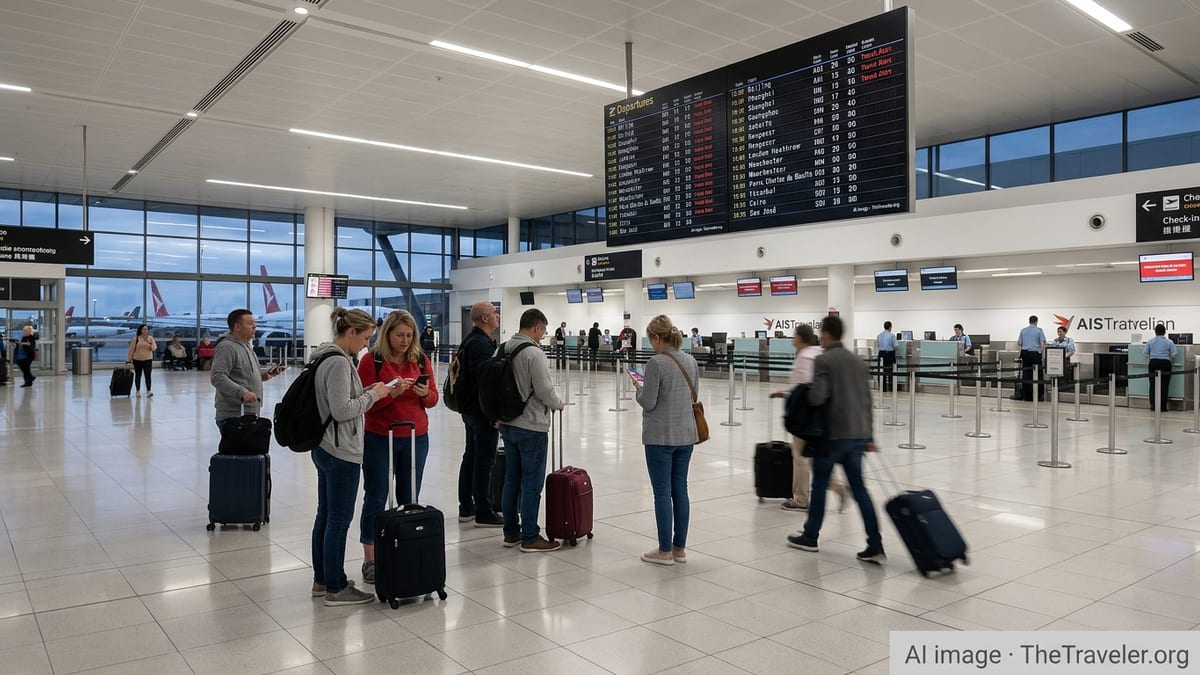
New alerts spotlight a volatile security landscape
Recent updates to the Australian government’s Smartraveller advisories outline a patchwork of risk levels across key regions, with particular concern focused on what officials describe as a volatile and unpredictable security situation in parts of the Middle East. Several destinations remain listed at the highest warning level of “Do not travel,” while a broader group sits at “Reconsider your need to travel” due to armed conflict, terrorism threats and the potential for rapid escalation.
Lebanon is among the destinations now subject to a strengthened “Do not travel” warning, with public guidance noting that regional tensions and ongoing military activity have created highly unstable conditions. Afghanistan is also assessed as extremely dangerous, with travel advice highlighting a volatile security environment, a high threat of terrorism and limited options for consular assistance for those who choose to enter the country despite the warning.
Even in locations where the risk designation has recently been eased, official material continues to characterise conditions as volatile. Updated communications concerning Israel, for example, reference ongoing unpredictability and the possibility of sudden changes in the security outlook, particularly near border areas and within regions affected by recent conflict.
Government guidance also stresses that threats can extend well beyond immediate conflict zones. Advisory pages on armed conflict warn that regional instability can affect neighbouring countries, airspace, and critical infrastructure, prompting caution even for travellers who intend only to transit through affected areas on their way to Europe, Asia or Africa.
Middle East routes under scrutiny for Europe-bound Aussies
The fresh emphasis on volatility comes as many Australians continue to rely on Middle Eastern hubs to reach long haul destinations, especially Europe. Prior to the recent escalation of conflict, airports in Qatar, the United Arab Emirates and other Gulf states formed a crucial corridor for competitive fares and one stop connections from Australian cities to European gateways.
Published industry analysis and consumer reporting show that the war in Iran and related regional tensions have disrupted this model, triggering airspace closures, re routings and a wave of cancellations earlier in the year. While some routes have since resumed under new risk assessments, the travel environment around the region remains fluid, and disruptions can emerge with limited notice when security incidents occur or aviation authorities adjust safety parameters.
Reports from Australian travel outlets indicate that many holidaymakers still opt to connect through Middle Eastern hubs to secure lower fares, even when a destination or transit point carries elevated risk advice. Travel industry commentary suggests that some travellers are choosing to accept higher levels of uncertainty in exchange for cost savings, particularly during peak periods such as the northern summer.
At the same time, aggregate data from airports and airlines point to a slow but noticeable shift in demand toward alternative routing. Increasing numbers of Australians are routing via Asia or directly to Europe where possible, seeking options perceived to carry fewer geopolitical risks, even if this entails longer flight times or higher ticket prices.
Fine print on insurance and transit can catch travellers off guard
One of the most significant implications of the “volatile” label is the way it interacts with travel insurance and transit planning. Insurance policies commonly refer to Smartraveller advice to determine coverage for cancellations, medical expenses and disruptions linked to security incidents. When a destination is listed as “Do not travel,” many policies either exclude cover entirely or narrow it to very limited circumstances.
This means that Australians who transit through or stay in countries under heightened warnings may find they are not covered for events related to conflict, terrorism or civil unrest. Consumer advocacy material notes that travellers sometimes overlook the fact that a short layover in a high risk location can have the same effect on cover as a full holiday there, depending on the policy wording.
Travel advisories also highlight the possibility of sudden airport closures, missile activity affecting regional airspace and last minute adjustments to flight paths. In such a volatile environment, airlines may alter schedules at short notice, leaving travellers dealing with missed connections, extended stopovers or unplanned detours. Government guidance encourages Australians to monitor airline notifications closely, maintain flexible arrangements where possible and keep essential medications and documents in carry on baggage in case of unexpected delays.
For those who nevertheless decide to travel through higher risk regions, publicly available advice recommends checking policy details line by line, confirming whether transit through a “Do not travel” country is excluded, and considering whether alternative routes could preserve insurance protection even if they involve additional cost.
Government campaigns push for better risk awareness
The sharpening of risk language in travel advisories coincides with broader efforts in Australia to standardise and upgrade public alert systems. Authorities are preparing to test a new national warning platform, designed to broadcast critical information to mobile devices during emergencies ranging from natural disasters to security incidents. Although not limited to international travel, the initiative reflects a wider policy focus on how quickly risk information can be disseminated to the public.
Travel safety campaigns have increasingly stressed that advice levels can change rapidly as events unfold abroad. Official material urges Australians to subscribe to updates for their destination, monitor reputable news outlets and understand that apparent stability on the ground can shift quickly when regional tensions flare. In volatile environments, localised incidents can escalate into broader disruptions that affect airports, border crossings and transport networks with little warning.
Information directed at Australians already overseas emphasises contingency planning. Guidance encourages travellers to have a back up plan for exit routes, maintain regular contact with family or trusted contacts at home, and be prepared to adjust itineraries if commercial flights are disrupted or if new restrictions are introduced at short notice. In more extreme scenarios, the availability of assisted departure options is often constrained by security conditions and demand, underscoring the importance of making conservative decisions before departure.
Alongside these measures, public communications continue to remind travellers that personal responsibility plays a central role in managing risk. The final decision to travel ultimately rests with the individual, but officials urge Australians to weigh the benefits of a trip against the potential consequences of becoming stranded, facing medical emergencies without adequate cover, or being caught up in a fast moving security crisis.
What Aussie travellers can do now
For Australians planning trips in the coming months, the latest warnings serve as a prompt to reassess routes and destinations rather than a blanket instruction to stay home. Travel experts recommend starting with Smartraveller’s country specific pages to understand current advice levels, particular regional hotspots and any local restrictions or entry requirements that could affect a journey.
Where a planned itinerary involves transit through a region described as volatile, travellers may wish to compare alternative connections through other hubs, even if they appear less convenient at first glance. Consultation with airlines or travel agents can help identify options that minimise exposure to high risk areas while still meeting timing and budget constraints.
The volatile nature of the current environment also reinforces the importance of flexibility. Fully refundable or changeable tickets, accommodation with generous cancellation terms and comprehensive insurance that explicitly covers the planned route can provide a buffer against last minute disruptions. While these choices can increase upfront costs, they may reduce the financial and emotional stress associated with sudden geopolitical shocks.
Ultimately, the new wave of travel advisories is less about discouraging all international movement and more about underlining the reality that global security conditions are unsettled. For Australians eager to explore the world, informed decision making, close attention to official advice and realistic expectations about potential disruption are becoming as essential as a valid passport and a packed suitcase.