


More news on this day
The U.S. State Department has issued a global security warning for Americans traveling or living overseas, citing heightened risks linked to the escalating conflict with Iran and the potential for Iran-backed or pro-Iran groups to target U.S. citizens and interests worldwide.
Get the latest news straight to your inbox!
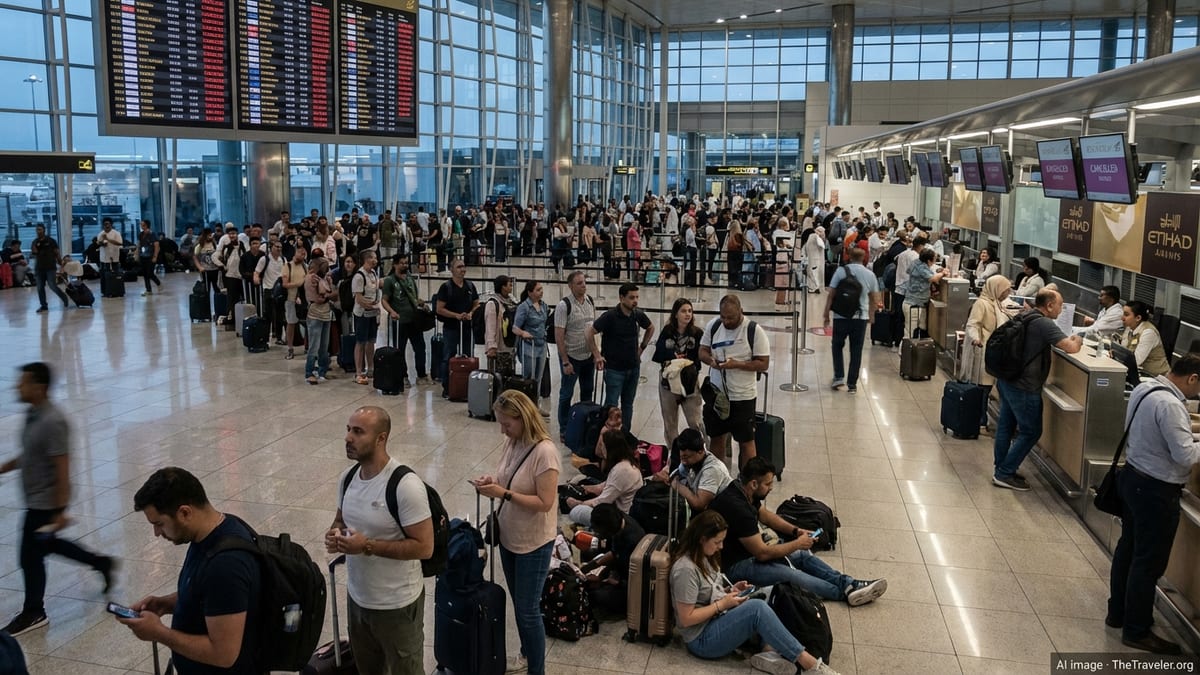
Worldwide caution highlights evolving threat landscape
The latest alert, issued as a Worldwide Caution, advises Americans outside the United States to exercise increased vigilance and be prepared for rapidly changing security conditions. Publicly available information indicates that the warning applies to all regions, not only the Middle East, reflecting concerns about the reach of Iran-linked networks and individuals sympathetic to Tehran.
Coverage of the alert notes that the State Department is underscoring the possibility that locations associated with the United States, including diplomatic facilities and places frequented by American travelers, could face elevated threat levels. Reports indicate that recent incidents targeting U.S. and allied interests in multiple regions contributed to the decision to renew and sharpen the global warning.
The Worldwide Caution comes against the backdrop of previously elevated advisories for several countries in the Middle East, including Iran, which has long been listed at the highest warning level for U.S. citizens due to risks such as terrorism, civil unrest, arbitrary detention and wrongful detention. The new notice builds on those destination-specific advisories by stressing that Americans everywhere should take the current security climate into account when planning or continuing international travel.
Travel industry analyses observe that while worldwide cautions have been issued periodically over the years, they are typically reserved for moments when officials judge that the threat environment has shifted in a broad and unpredictable way. The current message stresses that unforeseen escalation and acts of violence could occur with little or no warning, particularly in areas where tensions connected to the Iran conflict are already high.
Iran conflict escalation drives increased concern
The global alert is directly linked to the continuing military confrontation between the United States and Iran, which has intensified in recent days. International coverage describes a pattern of airstrikes and retaliation around strategically vital areas such as the Strait of Hormuz, alongside missile and drone activity that has drawn in forces and assets from multiple countries.
Reports from major news outlets indicate that the United States has carried out new rounds of strikes on sites in or near Iran believed to host missile infrastructure and command facilities. Iranian responses, including claimed attacks on targets in neighboring states that host U.S. forces, have fueled fears that violence could spill further across the region and potentially inspire attacks beyond the immediate conflict zone.
Security analysts quoted in public reports suggest that Iran-linked proxies and sympathetic militant groups based in parts of the Middle East, Africa, Europe and Asia may view American travelers, expatriate communities and symbolic U.S.-branded locations as potential targets. The worldwide caution specifically references the risk that groups supportive of Iran might seek opportunities to strike at U.S. interests far from the front lines of the conflict.
In parallel, commercial aviation and maritime activity around the Gulf region continue to face disruption. Previous surges in fighting have already led some international carriers to suspend or reroute flights through affected airspace, and shipping traffic has periodically been diverted away from contested waters. Travel risk consultants warn that any new spike in hostilities could again cause abrupt route changes, cancellations or temporary border closures.
Guidance for Americans living and traveling abroad
Public information released with the Worldwide Caution urges Americans overseas to closely monitor local media, follow security messages from U.S. embassies and consulates, and be prepared to adjust travel plans. Travelers are being encouraged to enroll in the Smart Traveler Enrollment Program so they can receive updates and assist consular officials in contacting them during emergencies.
Security recommendations highlighted in official materials and echoed by travel-risk experts include maintaining a low profile, avoiding demonstrations and large gatherings, and staying alert in crowded public spaces such as transportation hubs, hotels, restaurants and popular tourist sites. Americans are also advised to review the location and accessibility of the nearest U.S. embassy or consulate, as well as alternative routes to reach it if regular transportation is disrupted.
Destination-specific advisories remain an important part of the overall picture. Countries that are already classified at higher levels, such as “Reconsider Travel” or “Do Not Travel,” often see additional reminders that the U.S. government has limited or no ability to provide emergency services in certain areas. In some locations affected by conflict or civil unrest, previous alerts have urged U.S. citizens to depart while commercial options are still available.
Travel organizations note that insurance coverage and trip flexibility may be especially important in the current environment. Policies that allow itinerary changes, early returns or cancellations due to security concerns can help mitigate financial losses if conditions deteriorate suddenly. However, travelers are being advised to read policy language carefully, because some plans exclude coverage for events connected to war or declared hostilities.
Impact on global tourism and travel planning
The Worldwide Caution arrives at a time when international tourism has been steadily rebounding, creating new uncertainty for travelers and the industry. Travel trade publications report that tour operators and airlines are watching developments in the Iran conflict closely, particularly any sign that threats to Western travelers are becoming more coordinated or widespread.
Industry experts quoted in public coverage emphasize that a global caution does not mean that all travel must stop, but that it requires a higher level of situational awareness and contingency planning. Some travel companies are reinforcing existing security briefings, updating risk assessments for itineraries that transit through sensitive regions, and offering alternative routes or destinations for uneasy clients.
In regions far from the Middle East, tourism boards and hospitality businesses are monitoring whether the Iran-linked warning affects American booking patterns. Analysts point out that while previous worldwide cautions have sometimes had limited impact on long-haul leisure trips, the perception of a broader geopolitical crisis can influence traveler sentiment, especially for destinations perceived as having political or security ties to ongoing conflicts.
For Americans considering new overseas trips, travel planners recommend checking both the Worldwide Caution and the country-specific advisory for each destination, then weighing personal risk tolerance, itinerary flexibility and the availability of support networks abroad. Individuals with underlying health issues, mobility constraints or limited language skills may wish to take extra care when evaluating destinations where emergency assistance could be strained by regional instability.
What travelers should watch in the days ahead
Observers tracking the situation note that the global alert could be revised again if the Iran conflict escalates or if specific threats emerge against particular regions or sectors such as aviation, maritime shipping or energy infrastructure. Any change in the posture of U.S. diplomatic facilities, such as drawdowns of non-essential staff or temporary closures, would also be a key indicator for Americans overseas.
Travel security specialists advise that Americans abroad pay attention to announcements from host governments alongside U.S. messages. Some countries may issue their own advisories, introduce additional screening measures at borders and airports, or impose restrictions on gatherings and certain types of movement in response to perceived threats linked to the Iran conflict.
In the near term, experts suggest that travelers build extra time into itineraries, keep digital and paper copies of important documents, and maintain reliable communication tools that can function during short-term disruptions. Having backups for lodging and transportation, as well as an emergency plan shared with family or friends in the United States, can help reduce stress if conditions change quickly.
While the Worldwide Caution underscores the seriousness of the current moment, public-facing guidance continues to focus on informed decision-making rather than blanket prohibitions on international travel. For Americans already abroad or preparing to depart, the message is to stay alert, stay informed and be ready to adapt plans as the Iran conflict and broader security environment continue to evolve.