


More news on this day
John Glenn Columbus International Airport in Columbus, Ohio, experienced a fresh round of delays and scattered cancellations on September 22, as low clouds over central Ohio and lingering disruptions in the Northeast tightened already busy late‑September schedules.
Get the latest news straight to your inbox!
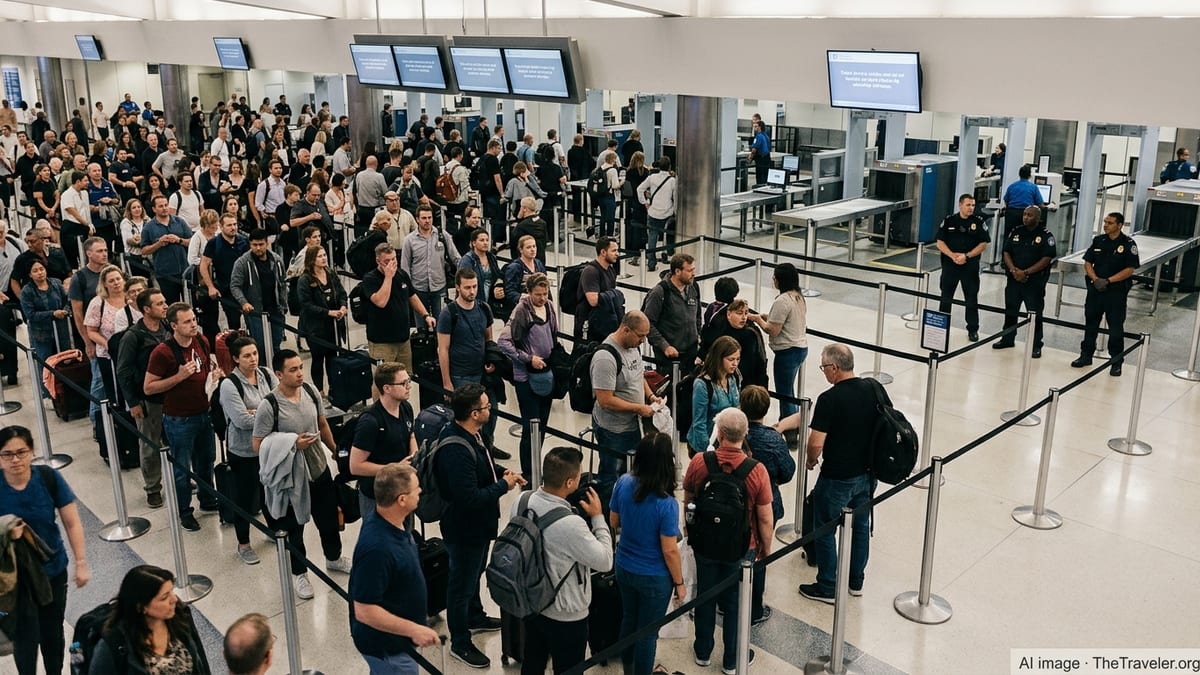
Low ceilings and regional disruptions slow traffic
Publicly available aviation weather data for John Glenn Columbus International Airport on Tuesday, September 22, show overcast cloud ceilings around 1,000 feet through the afternoon, conditions that can slow arrivals and departures when traffic levels are high. The airport’s terminal forecast points to continued low clouds into the late evening, with a chance of light showers developing overnight, keeping air traffic managers cautious about spacing flights.
Flight tracking dashboards indicate that, while the airport remains open and operating, a growing share of services are running behind schedule. Departures to major hubs such as Chicago O’Hare and Detroit have been posting revised times, with some flights pushed back by 20 to 40 minutes as airlines absorb upstream delays and adjust to the reduced margins created by the weather.
The situation in Columbus is unfolding alongside wider disruption across parts of the national network. Published coverage of air traffic problems affecting the busy New York area on Monday, September 21, described hundreds of cancellations at airports including Newark Liberty International. As those schedules reset, ripple effects are reaching spoke airports like Columbus, where aircraft and crews that rotate through the Northeast can arrive late or out of position.
Together, the local weather and regional network constraints are producing a patchwork of outcomes for travelers. Some early‑morning flights operated close to schedule, but later departures are more frequently marked as delayed or subject to changing estimates, and pockets of cancellations are emerging in the evening bank.
Dozens of delays, selective cancellations across key routes
Monitoring tools that aggregate airline performance show that John Glenn Columbus International Airport is recording an elevated number of delayed departures and arrivals compared with a typical late‑September day. While exact totals shift hour by hour, the trailing 24‑hour view has moved into the “disrupted” category, with dozens of flights arriving or leaving behind schedule and a smaller set outright canceled.
One example is United Airlines’ connection between Columbus and Newark. Flight history data for UA758 show that the September 21 rotation from John Glenn Columbus International Airport to Newark Liberty International was canceled, after operating normally the previous weekend. The same flight is listed as scheduled to run on September 22, illustrating how airlines are restoring some services but still making targeted cancellations as they recalibrate aircraft and crew positioning.
Other carriers serving Columbus have also seen operational pressure in recent days. Frontier’s nightly Orlando to Columbus service, F9 2757, has recorded extended arrival delays on several dates in mid‑September, occasionally touching down more than an hour past the scheduled time. While the September 22 operation is still listed as an evening departure from Orlando, the pattern underscores how a single disruption day can echo across multiple nights on leisure‑focused routes.
Short‑haul business routes are not immune, but they are faring somewhat better. American Airlines’ morning service from Washington National to Columbus, for instance, is showing on‑time performance for September 22. By contrast, past days for some Columbus–Chicago legs on American have included multi‑hour delays, highlighting how hub congestion in Chicago can swing the experience for travelers even when conditions in Ohio are relatively stable.
What passengers at CMH are facing today
For travelers moving through John Glenn Columbus International Airport on September 22, the operational picture translates into longer waits at gates, shifting boarding times, and more frequent schedule alerts on airline apps. Midday departure boards show multiple flights listed as “estimated” rather than firmly “on time,” signaling adjustments as inbound aircraft work through earlier congestion elsewhere in the system.
The impact is uneven across the day. Early‑morning operations benefited from slightly better conditions and less accumulated disruption, and several first‑wave departures to hubs such as Chicago and Washington left with only minor delays of under 15 minutes. As the day progresses and low clouds persist, the cumulative effect of minor slowdowns, aircraft swaps, and late arriving crews is more evident, especially on evening departures to major connecting hubs and sun destinations.
Arriving passengers are encountering a similar mix. Live arrival boards show flights from Chicago, St. Louis, and New York generally landing, but with some services touching down earlier or later than the original schedule as carriers adjust cruise speeds and routings. A small number of inbound flights into Columbus have been canceled outright over the past 24 hours, primarily where airlines can rebook passengers on later services or through alternate hubs.
Although the terminal itself is functioning normally, the combination of weather‑related spacing in the air and tight aircraft utilization on many routes means even modest delays can snowball. Travelers with close connections beyond Columbus, particularly those connecting through the Northeast, face the greatest risk of missed onward flights when an inbound segment arrives late.
Network and planning context for Columbus travelers
John Glenn Columbus International Airport serves as the primary commercial airport for central Ohio, with airlines such as American, Delta, Southwest, United, Frontier, and others linking the region to major domestic hubs. Federal aviation documents show that the airport’s traffic is projected to continue growing through the second half of the decade, and a recently approved noise compatibility program underscores its role as a key regional gateway.
The late‑September disruptions arrive at a time when many carriers are running tight schedules across the United States, particularly on high‑demand business and leisure routes. When weather or technical issues slow operations at a few key hubs, spoke airports like Columbus can quickly feel the strain through late aircraft, rolling crew reassignments, and schedule thinning on select flights.
Public fare displays for routes such as Columbus to Roanoke and Columbus to various Florida destinations show steady demand into the autumn travel period, suggesting that flights out of John Glenn Columbus International Airport are likely to remain busy even on days when operations are constrained. With high load factors, it becomes harder for airlines to absorb disrupted passengers onto later services, increasing the visibility of cancellations when they occur.
For the airport’s broader standing, days of widespread delays and cancellations can influence how travelers perceive reliability, especially for those who rely on tight business itineraries or who have connecting international flights through hubs like Newark, Chicago, or Atlanta. However, operational data indicate that the current bout of disruption is linked primarily to short‑term weather and regional network issues rather than any structural change in how Columbus is managed.
What flyers should do if they are booked through CMH
Given the fluid situation, the most immediate step for anyone traveling via John Glenn Columbus International Airport is to monitor their flight status directly with their airline on the day of travel. Real‑time tracking tools provide more up‑to‑date information than printed itineraries, and on a day marked by dozens of delays and several cancellations, departure or arrival times can change more than once.
Travel‑rights information from consumer sites and regulators notes that, depending on the cause and length of the disruption, passengers on significantly delayed or canceled flights may be eligible for rebooking assistance, meal vouchers, or partial refunds. Specific remedies depend on the airline’s policies and whether the issue is considered within the carrier’s control, so travelers are advised to review the conditions of carriage for their ticket and keep records of delay notifications.
On the ground at Columbus, arriving earlier than usual can help cushion against last‑minute changes, especially for those with checked baggage or complex connections. With weather and upstream congestion both playing a role today, airlines can move departure times forward or backward as they find short operational windows, and being through security ahead of schedule reduces the risk of being caught out by an unexpectedly improved departure time.
Looking beyond September 22, publicly available forecasts for Columbus suggest that low clouds and periodic showers could continue to influence operations in the near term, though not every day is expected to see the same level of disruption. For now, travelers using John Glenn Columbus International Airport are navigating a challenging day in the late‑September travel season, with patience and close attention to live updates remaining essential.