


More news on this day
Flight operations across parts of Brazil were heavily disrupted as bad weather and operational constraints led to 149 delayed and 26 canceled services at key airports serving São Paulo, São José dos Pinhais and Campinas, affecting passengers on LATAM Brasil, GOL, Azul Brazilian Airlines and other carriers.
Get the latest news straight to your inbox!
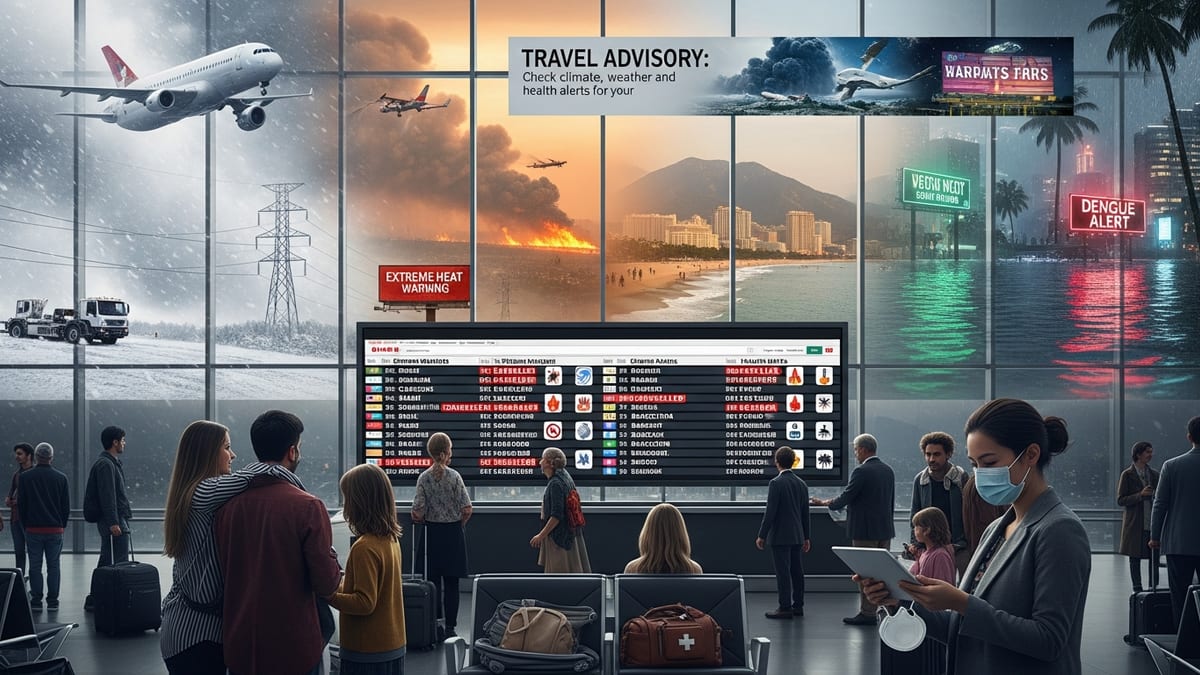
Major Hubs Around São Paulo Experience Widespread Disruption
The latest operational data from Brazilian aviation and airport monitoring platforms shows that airports serving the São Paulo region, including São Paulo/Guarulhos, Viracopos in Campinas and the terminal at São José dos Pinhais near Curitiba, experienced a pronounced spike in delays and cancellations. In total, 149 flights were reported delayed and 26 flights were canceled across these and other affected facilities within a recent 24 hour window.
Publicly available flight trackers and airport dashboards indicate that São Paulo/Guarulhos, the country’s busiest international gateway, concentrated a significant share of the disruption. A mix of arrivals and departures, on both domestic and international routes, faced extended waits on the ground or in the air as traffic flow was adjusted in response to weather and capacity constraints.
Campinas Viracopos, a key base for Azul Brazilian Airlines, also reported delays on routes linking the interior of São Paulo state with other major Brazilian cities. In Paraná, the airport at São José dos Pinhais, which serves the Curitiba metropolitan area, registered additional schedule instability as aircraft and crews were repositioned to work around the disruption pattern originating in the Southeast corridor.
Operational notices published for Guarulhos over recent weeks highlight a backdrop of work in progress on runways and taxiways and temporary changes to declared runway distances. While these advisories are routine, the combination of infrastructure constraints with unstable winter weather patterns increased the sensitivity of airport operations to any additional disruptions.
LATAM, GOL and Azul Among the Most Affected Carriers
The disruption has impacted Brazil’s three largest airlines in different ways, with LATAM Brasil, GOL Linhas Aéreas and Azul Brazilian Airlines all operating large domestic networks through the affected airports. Real time schedules show that each carrier has had to manage a patchwork of late arrivals, delayed departures and selective cancellations on routes within Brazil’s dense Southeast and South corridors.
LATAM’s extensive operation at São Paulo/Guarulhos meant that even a modest reduction in available slots or short periods of low visibility had a cascading effect. Flights to and from northeastern capitals and interior destinations saw their departure times pushed back as aircraft waited for landing windows and ground handling capacity to clear.
GOL, which also uses Guarulhos as a primary hub and maintains significant services at airports across São Paulo state, experienced knock on effects from early morning schedule changes. Affected rotations included routes linking São Paulo with cities in the Midwest and South, prompting aircraft swaps and altered departure times to restore network balance later in the day.
Azul, strongly present at Campinas and with connecting services into Paraná and Santa Catarina, focused on consolidating its schedule rather than maintaining all planned frequencies. The strategy limited the number of outright cancellations but prolonged delays for some passengers required to wait for reprotected seats on later departures.
Weather Patterns and Airspace Capacity Under Scrutiny
Meteorological information and local press coverage point to low cloud, fog and intermittent rain as key contributors to the recent operational turmoil. These conditions are common in the Brazilian winter, particularly in the early morning and late evening, but can be especially disruptive when combined with peak traffic periods at major hubs.
In nearby regions, such as Campo Grande, a recent episode of heavy fog led to temporary airport closures, missed approaches and canceled services bound for Guarulhos and Campinas. Reports from that incident underline how quickly localized weather can ripple through the wider network, as aircraft and crews fail to arrive on time for subsequent flights.
Aviation notices for Guarulhos also describe temporary changes to instrument landing system configurations and runway parameters during ongoing works. While such restrictions are carefully managed, they tend to reduce the operational flexibility available to controllers in marginal weather, narrowing the margin for maintaining punctuality when traffic volumes are high.
Industry analysts note that Brazil’s rapid recovery in domestic demand has left some airports operating close to their practical capacity limits in busy waves. Under these conditions, even temporary weather related reductions to arrival and departure rates can lead to a visible buildup of ground delays and schedule adjustments.
Passengers Face Long Queues, Rebookings and Missed Connections
The surge in delays and cancellations has had a direct impact on thousands of passengers using the affected airports. Travelers reported longer than usual lines at check in counters and boarding gates, along with congested customer service desks as people sought information on revised departure times, rebooking options and accommodation.
According to information aggregated from airline and travel platforms, same day connections were particularly vulnerable. Passengers with tight layovers at Guarulhos or Campinas often needed to be reprotected onto later services, especially when inbound flights arrived significantly behind schedule. In some cases, onward journeys were shifted to the following day as seat availability tightened.
Travel data providers highlight that Brazil’s main airlines typically offer rebooking options without additional fare charges when disruptions are caused by operational or weather issues. However, passengers may still face out of pocket expenses for food, ground transport or overnight stays, depending on each airline’s policies and the specific cause of the disruption.
Consumer organizations in Brazil have long advised passengers to document delays and cancellations and to retain boarding passes and receipts. This documentation can be important for pursuing compensation or reimbursement where national regulations and airline conditions of carriage provide such rights.
Airlines and Airports Adjust Operations as Conditions Normalize
By the latest updates from flight tracking services, the peak of the disruption appears to have passed, with most airports gradually returning to more regular patterns of operation. Nevertheless, residual delays remain possible as airlines work through aircraft rotations that were knocked off schedule.
Operational updates from carriers indicate a focus on stabilizing core trunk routes between major cities, followed by the progressive restoration of regional frequencies that may have been trimmed or consolidated at the height of the disruption. Once aircraft and crew positioning is normalized, the volume of same day cancellations is expected to fall.
Airports serving São Paulo, São José dos Pinhais and Campinas are expected to continue monitoring winter weather forecasts closely over the coming days. Coordination between airport operators, air traffic management and airlines remains central to mitigating similar events, particularly during early morning and evening peaks when visibility is often at its lowest.
Travelers scheduled to fly through the affected airports in the near term are being advised by travel platforms and airline channels to check their flight status frequently on the day of departure and to allow extra time at the airport in case of renewed weather or flow control related delays.