


Scroll through any travel forum today and you will see the same pattern. A traveler compares a basic hotel room in Rome for around 230 dollars a night with a one bedroom Airbnb apartment nearby for roughly 160 dollars, complete with a small kitchen and washing machine. Multiply that decision across millions of trips and you begin to see why Airbnb has become one of the most influential travel companies of the past decade. But what exactly is Airbnb, and how has it changed the way people travel in 2026?
Get the latest updates straight to your inbox!
What Airbnb Is and How It Works
Airbnb began in 2008 as a simple idea in San Francisco. Two designers put air mattresses on the floor of their loft and rented them to conference attendees who could not find a hotel room. The name came from that first offer, an “airbed and breakfast.” Today Airbnb is a global online marketplace where people can book short and long term stays in private homes, apartments, villas and unique spaces, along with experiences and, increasingly, travel related services.
At its core, Airbnb is a platform. It does not own most of the properties listed. Instead, individual hosts and property managers create listings that include photos, descriptions, prices and house rules. Guests use the website or app to search by dates, destination, budget and amenities, then pay through Airbnb’s secure payment system. The company charges a service fee on each booking and passes the rest to the host after check in.
For travelers, the experience often begins with the search box. A family planning a July trip to Lisbon might filter for “entire place,” two bedrooms, a kitchen and a washing machine, with a budget of under 200 dollars a night. Within seconds they may see a mix of traditional apartments in the Baixa district, modern units near Parque das Nações and historic tiled flats in Alfama. Pricing is dynamic, so a weekend in June might cost 20 to 40 percent more than a midweek stay in November, similar to airline pricing.
Once a place is booked, communication moves into Airbnb’s messaging system. Guests can ask how far the apartment is from the metro, whether there is space to store a stroller or if late check in is possible. Hosts can share check in instructions, parking details and suggestions for nearby bakeries or grocery stores. In 2026 Airbnb is also rolling out more AI driven tools that automatically summarize house rules and surface key details, which the company says is meant to reduce confusion about what exactly is included in a stay.
How Airbnb Changed Where and How We Stay
One of Airbnb’s biggest impacts has been to expand the types of places travelers consider staying. Instead of choosing strictly between hotels and traditional vacation rentals, a traveler to Tokyo can now pick from a compact studio in Shinjuku, a family home in Setagaya with a small garden, or a traditional style machiya townhouse in Kyoto listed by an owner who lives upstairs. In rural areas, travelers might rent a cabin on the edge of Rocky Mountain National Park or a farmhouse outside Florence that previously would have been advertised only locally.
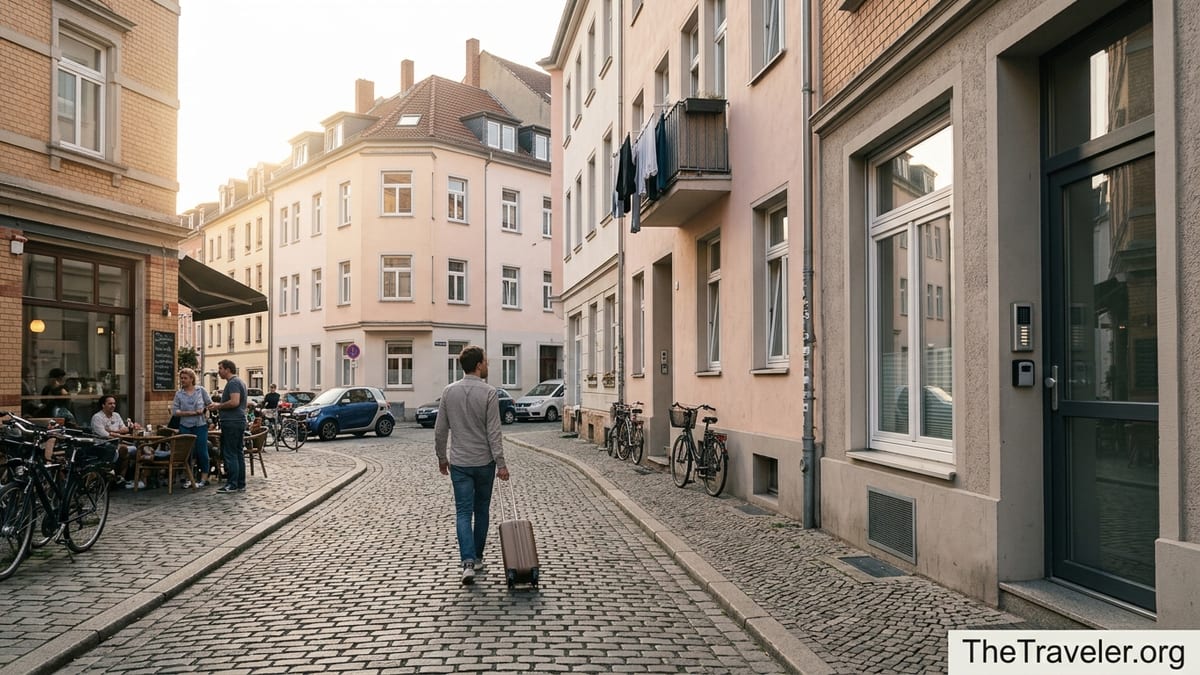
Airbnb has also normalized staying in residential neighborhoods rather than tourist districts. In Paris, for example, many travelers now opt for apartments in the 11th or 20th arrondissements instead of hotels near the Louvre. They trade a five minute walk to a museum for the experience of picking up croissants at the corner boulangerie and shopping where locals shop. In cities like Lisbon, Porto and Athens, certain hillside neighborhoods that used to see few tourists are now dotted with coded key lockboxes and rolling suitcases.
The platform has changed trip length and rhythm too. Airbnb’s own data and independent research show a clear rise in stays of 28 nights or more since 2019, a pattern tied to the growth of remote work and “slow travel.” A software engineer from Berlin might book a one month stay in Valencia for around 1,400 to 1,800 dollars plus fees, treating it as both a work base and a chance to live like a local. In US mountain towns, nurses on travel contracts often book monthslong Airbnbs rather than long leases, paying a premium for flexibility.
Even traditional vacations look different. Instead of hopping between three cities in seven days, many travelers now choose a single Airbnb base for a week or more and take day trips. A group of friends might split a three bedroom house with a pool in the Algarve for 2,500 dollars for a week in September, cooking most breakfasts at home and driving to different beaches during the day. The house effectively becomes the center of the trip, not just a place to sleep.
Money, Value and the New Math of Trip Planning
From a traveler’s point of view, one of Airbnb’s early appeals was price. A basic hotel room in central Barcelona in August might cost 260 to 320 dollars a night including taxes and fees. A small but well rated one bedroom Airbnb ten minutes further from Las Ramblas might be listed at 180 to 220 dollars plus cleaning and service fees. For a solo traveler that gap can shrink once cleaning fees are factored in. But for a family of four or five, the ability to share a two bedroom apartment often still works out cheaper than booking two hotel rooms.
However, the math is more complicated in 2026 than it was a few years ago. Across many markets average nightly rates on Airbnb climbed during the post pandemic travel surge, and hosts introduced higher cleaning fees to cover linens, utilities and professional services. A weekend in Nashville that cost 150 dollars a night in 2019 might now list for 250 dollars plus a 120 dollar cleaning fee, which can make short two night stays feel expensive compared with a midrange hotel that includes daily housekeeping and breakfast.
This has nudged travelers to become more analytical. Many now compare the “all in” cost of an Airbnb stay including cleaning and service fees with the total cost of a hotel. A couple planning a five night stay in New York might find that a compact hotel room in Midtown for 280 dollars a night including taxes totals about 1,400 dollars. A small studio Airbnb in Queens listed at 180 dollars a night could seem cheaper at first glance, but once a 90 dollar cleaning fee and service fees are added, the final bill might approach the same amount, with a longer subway ride into Manhattan each day.
On the other hand, when used strategically, Airbnb can reduce overall trip costs. Being able to cook even one meal a day at home can save 30 to 70 dollars for a couple and much more for families. A traveler spending a week in Reykjavik, where restaurant prices are high, might choose an Airbnb with a full kitchen, spending around 180 dollars at a local supermarket for breakfasts and some dinners, instead of eating out three times a day. In destinations with pricey laundry services, a washing machine can also save hundreds of dollars over a long trip.
Local Communities, Regulation and the Airbnb Debate
Airbnb’s growth has not been universally welcomed. In many popular cities, residents and local officials argue that converting homes and apartments into short term rentals reduces long term housing supply and pushes rents higher. Neighborhoods like Barcelona’s Gothic Quarter, Lisbon’s old town and parts of Amsterdam’s canal belt have become flashpoints, with complaints about noise, suitcase traffic and the loss of permanent neighbors.
Cities have responded with a patchwork of regulations. In New York City, rules introduced from 2023 onward made most entire home short stays under 30 days effectively illegal unless the host is present and registered, which sharply reduced the number of active short term listings. In Amsterdam, strict caps on the number of nights a home can be rented and licensing requirements have cut listings by more than half from their pre 2019 peak. Barcelona has repeatedly cracked down on unlicensed tourist apartments, announcing in recent years that thousands of illegal listings would be removed, and more inspections would target hosts renting out whole apartments without permits.
For travelers, these policies have practical consequences. In some cities it has become harder to find entire apartments for just a few nights, especially in central areas. When you search for a weekend stay in Amsterdam or Florence, you may now see more professionally run aparthotels that combine apartment style units with hotel licenses, or properties just outside city limits where regulations are looser. Booking in heavily regulated cities can also carry more risk if a property is operating without proper permits, since authorities sometimes issue closure orders that force last minute rebookings.
At the same time, regulation has pushed the industry toward clearer standards. Many European cities now require hosts to display a registration number on listings, which travelers can cross check against local databases. In some regions tourism taxes that once were collected informally are now added automatically during the Airbnb booking process, similar to hotel city taxes. A traveler booking a week in Vienna or Paris in 2026 will often see a line item for local occupancy tax in their Airbnb payment breakdown, bringing the platform closer to hotel style transparency.
Technology, Personalization and Safety on the Platform
Airbnb has always relied on technology, but the nature of that technology is shifting. Search used to be mainly about dates, location and price. In 2026 the app increasingly leans on personalization and AI tools. If you have previously booked ski cabins in Colorado and city apartments with dedicated workspaces, the app is more likely to highlight homes near slopes or listings tagged with “fast Wi Fi” and “desk” when you search for February dates in Switzerland or Canada.
Recent product updates include smarter summaries of long house rules, clearer breakdowns of what is included, and AI support that can suggest nearby luggage drop points or airport transfer options. For instance, a traveler landing in Lisbon late at night might see a prompt in the Airbnb app suggesting luggage storage locations within a 10 minute walk of their apartment, alongside approximate walking times. During large events such as the upcoming 2026 World Cup matches in North America, Airbnb is also partnering with organizers to promote official fan accommodations, which are expected to lean heavily on this type of digital assistance.
Safety remains a central concern for many travelers. Airbnb has introduced identity verification features for most guests and hosts, expanded its review system and offers a booking protection policy that promises help finding alternative accommodation if a listing is significantly misrepresented or canceled at the last minute. Still, problems do occur. News reports and lawsuits continue to highlight cases of hidden cameras, parties that get out of hand, property damage and discriminatory behavior. As a result, many travelers now take detailed steps when booking, such as reading reviews going back at least a year, checking for repeated complaints about cleanliness or noise, and messaging the host with specific questions to gauge responsiveness.
For solo travelers and women in particular, the social dynamics of staying in private accommodations require extra judgment. A solo traveler booking a private room in a shared apartment in Berlin or Mexico City may prioritize listings with many recent reviews from other solo women, detailed host profiles and clear house rules that prohibit unregistered visitors. Travelers increasingly share check in details and host contact information with friends or family back home, similar to sharing an Uber trip, as a simple safety precaution.
Real World Use Cases: When Airbnb Works Best (and When It Does Not)
Understanding when Airbnb shines and when a hotel or hostel may be better can make a significant difference to your trip. For families and groups, the platform often makes particular sense. Two couples traveling together to Tuscany can split a three bedroom farmhouse with a pool for about 3,000 dollars for a week in late spring. Each couple effectively pays around 215 dollars per night for their own bedroom and shared living space, which is usually cheaper and more relaxed than booking two separate hotel rooms in a nearby town.
Airbnb is also well suited to stays where you value space and routine. Digital nomads basing themselves for one or two months in Mexico City, Lisbon or Bangkok often choose Airbnbs with full kitchens and work areas rather than short term serviced apartments. They may pay 1,200 to 1,800 dollars a month for a bright one bedroom in a lively neighborhood, trading hotel style amenities like daily cleaning and a gym for the ability to cook at home and feel part of a community.
On the other hand, Airbnb is not always the best fit. For ultra short stays of one or two nights in business districts, a hotel frequently wins on convenience. You can check in 24 hours a day, leave your luggage with reception, and rely on daily housekeeping. A traveler arriving on a late flight into Frankfurt for a one night layover may find that a 140 dollar airport hotel is simpler and, once fees are counted, cheaper than a 110 dollar Airbnb apartment with a 70 dollar cleaning fee and self check in instructions sent at the last minute.
Destination context matters too. In some places, such as central Tokyo or certain Swiss villages, hotel culture remains strong and short term rentals are heavily regulated. Travelers may find more predictable value and clearer consumer protections in hotels or traditional guesthouses. In other destinations, such as small surf towns in Portugal or rural parts of Costa Rica, Airbnbs and other home style rentals may be the main way to access locally owned accommodation, supporting resident hosts directly and opening up areas that do not have large hotels.
How Airbnb Is Evolving in 2026
Airbnb in 2026 is not the same company it was even five years ago. Its financial reports show that revenue and gross booking value have grown sharply since its IPO in 2020, but growth has been uneven across regions and seasons. The company has responded by focusing on higher value bookings, longer stays and add on services rather than simply trying to add more listings at any cost.
Recent product releases highlight this shift. The platform is experimenting with features that encourage guests to book further in advance, particularly for big events and peak seasons, offering flexible cancellation options and payment schedules. At the same time it is using AI to personalize which parts of a listing are emphasized. A guest searching for a June break in the south of France might see different photos and highlights of the same property than a guest booking a November workcation, with the system emphasizing the pool and terrace for one and the dedicated workspace and heating for the other.
The company is also gradually expanding beyond pure accommodation. In many cities travelers can already book Airbnb Experiences like cooking classes in Rome, bicycle tours in Amsterdam or street food walks in Mexico City, often run by local residents. In 2026 Airbnb is testing more travel adjacent services such as improved coordination with luggage storage and transportation providers, which points toward a broader role as a trip planning hub rather than just a booking site.
At the same time, Airbnb faces challenges. Hosts in online communities frequently discuss increased competition, changing algorithms and shifting guest expectations. Some report that bookings have softened on the platform while rising on competing sites, pushing them to diversify. Travelers, meanwhile, are more vocal about what they see as excessive cleaning lists, high fees and inconsistent quality. How effectively Airbnb balances the needs of hosts, guests and regulators over the next few years will shape whether it remains the default alternative to hotels or simply one of many options.
The Takeaway
Airbnb has changed the way people travel by broadening where we can stay, how long we stay and what we expect from our accommodation. It turned spare rooms, city apartments and countryside homes into bookable spaces, made it normal to live in residential neighborhoods while traveling and helped fuel trends like remote work stays and extended slow travel.
For travelers in 2026, the platform offers real advantages: more space, home comforts and the chance to connect with local neighborhoods and hosts. At the same time, regulation, higher fees and ongoing debates about housing and community impact mean that booking an Airbnb requires more research and judgment than simply pressing “reserve.”
The smartest approach is to treat Airbnb as one tool among many. For a family holiday, a monthlong workcation or a group trip where shared space matters, it can deliver outstanding value and memorable experiences. For short business trips, heavily regulated cities or situations where service and predictability are paramount, a hotel or traditional guesthouse may be a better fit. Understanding these trade offs will help you use Airbnb where it truly enhances your travels, and choose other options when it does not.
FAQ
Q1. What exactly is Airbnb and how is it different from a hotel?
Airbnb is an online marketplace that connects guests with hosts who rent out homes, apartments, rooms and unique spaces. Unlike hotels, most Airbnbs are privately owned properties without uniform standards or on site staff, so experiences vary more but can offer extra space, kitchens and residential locations.
Q2. Is Airbnb always cheaper than a hotel?
No. For solo travelers or very short stays, hotels can be similar in price or even cheaper once Airbnb cleaning and service fees are included. Airbnb often becomes better value for families, groups and longer stays, especially when you use the kitchen and laundry to reduce other travel costs.
Q3. How can I tell if an Airbnb listing is legitimate and safe?
Look for many recent reviews, a high overall rating, detailed photos, and a host who responds quickly and clearly to messages. In cities that require registration, legitimate hosts usually display a license or registration number in the listing description. Avoid properties with vague descriptions, few reviews or repeated complaints about cleanliness, noise or cancelled bookings.
Q4. What happens if my Airbnb host cancels right before I arrive?
If a host cancels close to check in, Airbnb’s policies generally offer a refund and may help you find alternative accommodation of a similar standard and price. In busy seasons, options can be limited, so booking fully flexible hotels for the first night or two, or choosing Superhost listings with strong histories, can reduce disruption.
Q5. Are Airbnbs allowed everywhere, or are there cities where they are restricted?
Many popular destinations now regulate short term rentals. Cities such as New York, Amsterdam and Barcelona have strict rules on who can host, how long properties can be rented and whether the host must be present. These rules change regularly, so it is wise to check local regulations and choose listings that clearly mention permits or registration numbers.
Q6. What fees should I expect to pay when booking an Airbnb?
The main components are the nightly rate, a cleaning fee set by the host, Airbnb’s service fee and local taxes such as city occupancy taxes where applicable. Always look at the total price for your stay, not just the nightly rate, before deciding whether it is good value compared with nearby hotels.
Q7. How do check in and check out work at most Airbnbs?
Many Airbnbs use self check in with key lockboxes or smart locks. The host typically sends codes and instructions through the app a day or two before arrival. Check out often involves simple tasks like taking out trash, placing used towels in one spot and locking up. Make sure you read the house manual in advance to avoid surprises.
Q8. Is Airbnb a good option for remote work or long stays?
Yes, for many people. Airbnbs with full kitchens, washing machines and dedicated workspaces can be ideal for stays of several weeks or months. When booking, look for reviews that mention Wi Fi speed and comfort for working, and consider asking the host for a photo of the desk area or a speed test screenshot.
Q9. What should I do if something goes wrong during my stay?
First, message your host through the Airbnb app and give them a reasonable chance to address the issue. If it is serious or the host is unresponsive, contact Airbnb support through the app, document problems with photos or videos, and keep all communication inside the platform so it is recorded if a refund or claim is needed.
Q10. How can I be a respectful guest in a residential neighborhood?
Keep noise low, especially at night, follow building rules about elevators and shared spaces, and avoid crowding entrances with luggage or cars. Shop locally, be courteous to neighbors, and remember that you are staying in someone’s community, not a private resort. Respectful behavior helps keep short term rentals welcome in the places you want to visit.