


The Halifax Clarity Credit Card has a strong reputation among UK travellers for fee free spending overseas. Before you hit "apply" because a friend swears by it in Spain or the United States, it is worth slowing down and checking how the card actually works in practice, what Halifax looks for in applicants and how the costs compare with other options you might already have in your wallet. This guide walks through the key things to review before you submit an application, with real travel examples to show how the card behaves on the road.
Get the latest updates straight to your inbox!
Understand What Makes the Halifax Clarity Card Different
The Halifax Clarity Credit Card is positioned primarily as a travel friendly card. Its main attraction is that it does not charge a fee for spending in foreign currencies abroad. Where many standard UK credit cards add a foreign transaction fee of around 2.75 to 3 percent on every purchase in euros, dollars or other currencies, the Clarity card aims to let your purchases go through at the card scheme’s exchange rate with no extra non sterling fee from Halifax on top. For a traveller who spends £1,000 in local currency on a two week trip, avoiding a 3 percent fee can mean around £30 saved compared with a typical card.
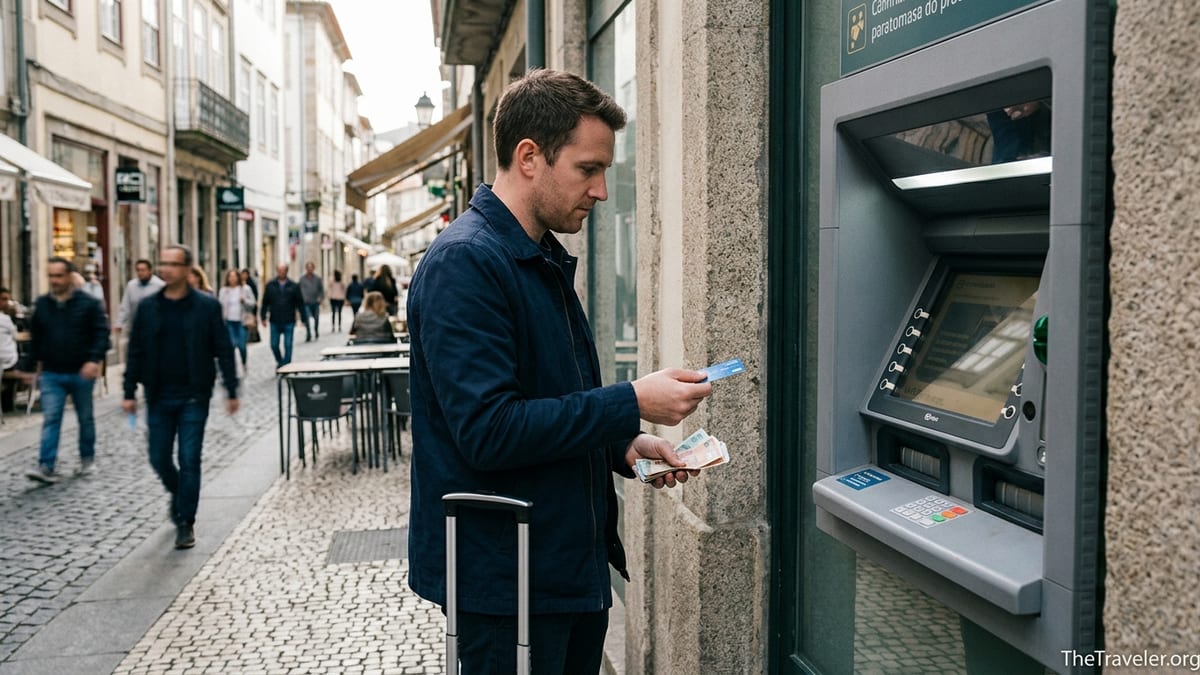
The second headline feature is that Halifax also does not add its own separate fee for cash withdrawals from overseas ATMs in foreign currency. This is unusual. Many cards that waive the foreign purchase fee still charge extra for taking out cash. With the Clarity card, the bank’s own fee line for foreign cash withdrawals is set at zero, so if you withdraw the equivalent of £200 from a cash machine in Lisbon or Bangkok, Halifax does not tack on a fixed cash fee or percentage on top.
However, those two benefits do not mean the card is cost free in all situations. Interest on cash withdrawals is typically charged from the date of the transaction rather than after a statement period. If you treat the card like a fee free travel debit card and take out cash on the first day of a two week trip, then do not pay it back until your normal payment due date, you will still pay interest for that period. Understanding that distinction between no fee and interest still accruing is critical before you apply.
In practice, many experienced travellers use the Clarity card mainly for card purchases in shops and restaurants abroad, where there is no Halifax foreign transaction fee and up to around 56 days of interest free credit if the statement is cleared in full. When they do need cash, they withdraw modest amounts and repay those withdrawals quickly through online or mobile banking to keep the period of interest as short as possible.
Check Your Eligibility and Application Requirements
Before thinking about airport ATMs and hotel bills, start with the basics: can you realistically get approved. Halifax states that applicants for its credit cards must be UK residents aged 18 or over, with a regular annual income and without certain serious credit problems such as recent County Court Judgments, bankruptcy or Individual Voluntary Arrangements. You also should not have been declined for a Halifax credit card in the previous month, and students or people who are currently unemployed are generally not accepted for standard cards.
Halifax offers an online eligibility checker, sometimes branded as a simple check, which lets you see whether you are likely to be approved and what indicative credit limit or rate you might receive, without leaving a hard search on your credit file. This soft check is a useful step before a trip. For example, if you are planning a three week self drive journey in Canada and expect to put £1,500 of hotels and fuel on a card, you can use the eligibility tool to see if you are likely to be offered a limit that comfortably covers that level of spending plus a buffer.
Your wider credit history still matters. Halifax uses your personal circumstances to set an individual interest rate and credit limit. A traveller with a long, clean credit record and a stable salary might be offered a limit of several thousand pounds at a relatively low interest rate on purchases. Someone with thin credit history, perhaps a young professional who has only held a mobile phone contract before, might be accepted with a far lower limit that would not comfortably support a big multi country trip. Checking your existing credit file with the major agencies before you apply can help you avoid surprises.
If you already bank with Halifax, your internal history, such as how you run your current account, may also influence their decision. Regular overdraft use or frequent unpaid items might make approval less likely. On the other hand, a long standing Halifax current account in good order can sometimes work in your favour when you apply for their travel card before a holiday.
Compare Actual Costs: Purchases, Cash and Interest in Real Trips
Once you know you are broadly eligible, the next thing to check is what the card will really cost you on a typical trip. For foreign currency purchases, such as paying a restaurant bill in Barcelona or booking a museum pass in New York, the key point is that Halifax does not charge its own foreign transaction fee on the Clarity card. The price you pay is based on the Mastercard or Visa exchange rate for that day, which is usually close to the market rate. On a £200 hotel bill in euros, a traditional card with a 2.95 percent fee might add nearly £6 in extra charges. The Clarity card aims to avoid that.
For cash withdrawals, the picture is more nuanced. If you land in Bangkok and take out the equivalent of £150 from an ATM using the Clarity card, Halifax does not charge a foreign cash withdrawal fee and does not add a non sterling transaction fee. Instead, you pay interest on that £150 from the day of the withdrawal until you pay it off. Suppose your cash interest rate is in the low twenties as a variable APR and you repay that £150 ten days later via online banking while still abroad. The actual interest cost for those ten days is likely to be only a few pounds, far less than a 5 percent cash fee that some cards charge upfront.
It is also important to account for charges that Halifax does not control. Many overseas ATM operators add their own usage fee. At a tourist cash machine in Rome attached to a convenience store, you might see an on screen message warning of a local fee of three euros for use of the ATM, regardless of your card. That operator fee will still appear on your statement alongside the converted withdrawal amount. The same is true of dynamic currency conversion at tills and ATMs. If a payment terminal abroad offers to charge your Halifax Clarity card in pounds rather than local currency, that usually involves a poor exchange rate built into the transaction. To keep the travel card benefit, you need to choose to be charged in local currency whenever possible.
Because Halifax sets personalised interest rates, it is essential to read your own credit agreement once you are approved. Two travellers can hold Clarity cards with different APRs, which affects how expensive it is to carry a balance after a trip or to leave cash withdrawals outstanding for longer than a few days.
Look Closely at Fees You Will Not Pay and Those You Still Might
Part of the appeal of the Halifax Clarity card is a list of charges that appear as “N/A” in the summary box for overseas spending. There is typically no annual fee for holding the card, no non sterling transaction fee on purchases abroad and no separate Halifax charge for taking out foreign currency from an overseas ATM using the card. If you are used to seeing a 2.75 percent fee listed on the back of your existing credit card, the absence of that line in the Clarity documentation is a genuine saving.
However, the absence of some fees can hide others if you do not read the detail carefully. Late payment fees still apply if you miss your monthly minimum payment. Returned payment fees can apply if your direct debit bounces. Cash interest is higher than purchase interest on most credit cards, and with Clarity that interest on cash starts from the date you take the money out, not from the statement date. That means a pattern of frequent cash withdrawals that you only clear when the bill arrives can be expensive, even though you do not see an obvious cash fee line on your statement.
Before applying, think through how you tend to behave when travelling. A careful planner who pays off the balance in full every month and only takes out occasional small cash amounts for tips or market stalls can use the Clarity card in a way that almost eliminates interest charges. By contrast, a traveller who expects to rely heavily on cash for street food, taxis and small local businesses, and who is likely to carry a balance after the holiday, might find that interest costs eat into the benefit of zero foreign transaction fees.
You should also check whether the card’s promotional or standard rates on balance transfers or money transfers are relevant to you. The Clarity card is typically optimised for spending and cash abroad rather than for shifting existing UK card balances. If your main goal is to clear debt over time, another Halifax product might be more suitable than the travel focused Clarity card.
Consider How the Card Fits with Your Other Travel Money Options
Another key check before applying is whether you really need a new travel credit card at all. In the last few years a number of UK current account providers and specialist fintech firms have started offering debit cards that also remove foreign transaction fees for spending abroad, at least up to certain limits. If you already hold a modern fee free debit card that you are comfortable using overseas, the additional benefit of the Clarity card may be smaller, though it still offers credit and protection features that debit cards do not.
Think about a concrete example. A couple based in Manchester is planning a two week self drive trip around the United States. One partner already has a debit card from a digital bank that charges no foreign transaction fees on card purchases and allows a modest amount of fee free cash withdrawals abroad each month. The other is considering applying for the Halifax Clarity card. In that scenario, the Clarity card could be used for car hire, large hotel blocks and any transactions where credit card protection is particularly valuable, while the debit card can cover many smaller everyday spends and some cash. This combination can spread risk and reduce the chance that a single card issue strands them.
Card network coverage is another angle. The Halifax Clarity card operates on a major card scheme, so acceptance is strong across Europe, North America and many popular long haul destinations. That makes it a useful backup even if you already rely mainly on a fee free debit card from a challenger bank. When you arrive late at night in Tokyo and find that your app based debit card is declined at the hotel terminal, being able to hand over a widely accepted credit card for the room deposit can be the difference between checking in smoothly and spending an hour on the phone to your bank.
You should also consider whether you value rewards. The Halifax Clarity card focuses on low fees for foreign use and does not typically pay travel points or cashback at attractive rates. If you do most of your spending in the UK and only travel once a year, a card that offers everyday rewards or supermarket points might be more valuable overall, and you could instead use a specialist multi currency card or prepaid product for that single holiday.
Practical Travel Checks: Limits, Security and Day to Day Use
Before sending off an application, it helps to think through the practical side of using the card in real travel scenarios. One important point is your likely credit limit. A typical initial limit might be somewhere in the low thousands of pounds, though it depends heavily on your profile. If you are planning an extended trip, such as three months backpacking through South East Asia with flights, hostels and internal transport costs often charged in advance, you need to be sure the limit is ample enough that you will not max out mid trip.
You should also familiarise yourself with security controls once you are approved. The Halifax mobile app allows you to freeze and unfreeze the card, review recent transactions and make payments on the move. These features matter when travelling. Imagine your card is declined at a petrol station on a remote road in rural France because the bank’s fraud systems flag an unusual pattern. Being able to open the app, confirm recent activity and unfreeze the card, rather than spending half an hour making an international call, can save a lot of stress.
Many travellers choose to notify their bank of upcoming trips, although Halifax often states that advance travel notification is not mandatory. In practice, having details of your destinations and dates stored in the app or notes can still be helpful if you need to confirm your identity after an automated block. It is also worth saving the Halifax emergency number separately in case your phone is lost along with your wallet.
Finally, think about how you will manage repayments while away. If you plan to withdraw cash using the Clarity card in, for example, Mexico City, then immediately move money from your UK current account to your credit card through the app, check that your online banking setup allows you to do this seamlessly from abroad. Sorting out login details, device authorisation and card reader requirements before you leave the UK means you can actually follow the recommended practice of repaying cash withdrawals quickly to limit interest.
The Takeaway
Applying for the Halifax Clarity Credit Card can be a smart move if foreign transaction fees and overseas ATM charges have been eroding your holiday budget for years. Before you submit that application, though, it is crucial to understand how the card makes its money, how your own behaviour on the road will interact with its fee structure and whether it truly complements the cards you already carry.
Check that you meet Halifax’s eligibility criteria and use the soft search tool to see your likelihood of approval without damaging your credit file. Study your personalised interest rates once offered, especially on cash withdrawals, and be honest about whether you will really clear cash balances quickly. Compare the benefits with alternative products you already hold, such as fee free debit cards from digital banks, and consider how you will combine them on an actual trip, from long haul holidays to quick city breaks.
If you are a disciplined card user who pays off statements in full, prefers to pay in local currency and only dips into ATM withdrawals occasionally, the Clarity card can be a reliable travel companion that saves you tangible amounts each time you go abroad. If you are more relaxed with repayments or expect to rely on cash heavily, you may need to factor in higher interest costs and possibly look at complementary or alternative travel money options. Either way, taking the time to run through these checks before applying will help ensure that the card works for you, not the other way around.
FAQ
Q1. Does the Halifax Clarity Credit Card charge a foreign transaction fee on purchases abroad?
Halifax does not usually add a separate non sterling transaction fee on purchases made abroad in a foreign currency with the Clarity card. Your transactions are converted at the card scheme’s exchange rate rather than with an extra percentage fee from Halifax on top.
Q2. Is there a fee for withdrawing cash from overseas ATMs with the Halifax Clarity card?
Halifax does not generally charge its own foreign cash withdrawal fee for taking money from overseas ATMs using the Clarity card, but you will pay interest on the withdrawal from the date of the transaction and the local ATM operator may still add its own usage fee.
Q3. Will using the Halifax Clarity card abroad hurt my credit score?
Using the card abroad for normal purchases and paying at least the monthly minimum on time should not damage your credit score. However, repeated cash withdrawals and running high balances relative to your credit limit can be seen as higher risk behaviour by lenders.
Q4. Can I use the Halifax Clarity card for car hire and hotel deposits overseas?
Yes, the Clarity card can generally be used like any other major credit card for car rental deposits and hotel pre authorisations in most countries, which is useful where debit cards or prepaid cards are not accepted or are treated less favourably.
Q5. How can I minimise interest when withdrawing cash abroad with the Clarity card?
The most effective way is to withdraw only what you need and then repay those cash withdrawals as soon as possible, ideally within a few days, using online or mobile banking while you are still abroad so that interest only accrues for a short period.
Q6. Do I need to tell Halifax before I travel abroad with my Clarity card?
Halifax often indicates that advance travel notification is not strictly necessary, but some travellers still choose to inform the bank or ensure their contact details are up to date to reduce the chance of transactions being blocked by fraud systems.
Q7. Is the Halifax Clarity card better than a fee free debit card from a digital bank?
They serve different purposes. A fee free debit card is useful for everyday spending and small cash withdrawals, while the Clarity credit card offers credit, wider acceptance for things like car hire and hotel deposits and legal protections associated with credit card purchases.
Q8. What happens if I cannot pay my Halifax Clarity bill in full after a trip?
If you only pay the minimum, interest will continue to accrue on the remaining balance, and it will be more expensive if you have made cash withdrawals. For regular travellers who expect to carry balances, the interest costs may outweigh the benefit of zero foreign transaction fees.
Q9. Can I apply for the Halifax Clarity card if I have had credit problems before?
Serious recent credit issues such as bankruptcy, Individual Voluntary Arrangements or County Court Judgments may prevent you from being accepted. If your past problems are older or minor, you may still be approved, but at a higher interest rate or lower credit limit.
Q10. Is the Halifax Clarity Credit Card suitable for everyday spending in the UK?
It can be used for everyday spending in the UK, but it does not usually offer standout cashback or rewards compared with some domestic focused cards. Many people keep it mainly for foreign travel while using a different card or debit card for routine spending at home.