


More news on this day
With WestJet repeatedly navigating labour disputes involving mechanics and cabin crew, Canadian travellers are again confronting a familiar question this summer: what actually happens to their trip if a strike or lockout disrupts a flight.
Get the latest news straight to your inbox!
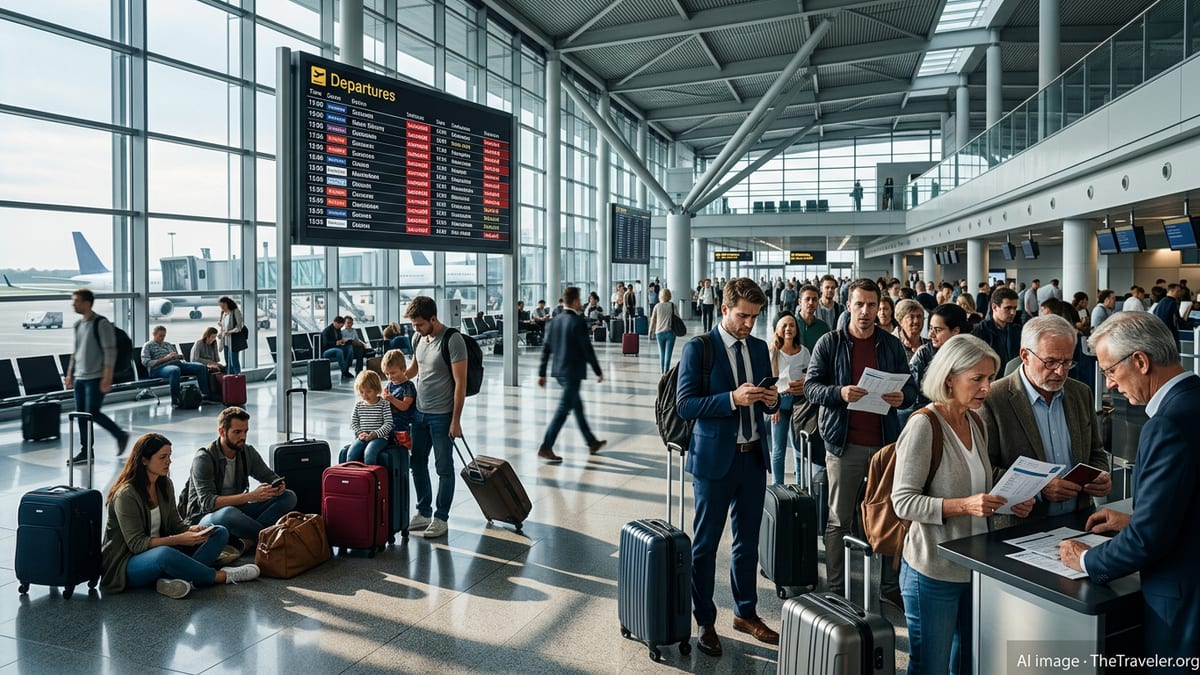
Know what a strike or lockout means for your booking
Labour disruptions at WestJet have ranged from threatened walkouts to full work stoppages affecting mechanics and other staff, with large numbers of flights cancelled over peak holiday weekends. Published coverage and regulatory documents describe these events as "labour disruptions" that fall outside an airline’s control, but they still trigger specific obligations to affected passengers.
Under Canada’s Air Passenger Protection Regulations, labour disruptions such as strikes or lockouts are generally categorized as situations outside an airline’s control. Publicly available guidance from WestJet and the Canadian Transportation Agency indicates that this category limits cash compensation but does not remove a traveller’s basic rights to be rebooked or refunded when flights are cancelled or heavily delayed.
If a strike or lockout notice has been issued, WestJet may proactively adjust its schedule, cancel flights or issue travel waivers that allow passengers to change or cancel trips without standard fees. Travellers are advised to monitor their booking closely and ensure WestJet has up to date contact details so notifications about cancellations or schedule changes reach them quickly.
Reports on earlier WestJet disruptions suggest that, during peak travel periods, seats on alternative flights and other airlines can sell out quickly when a stoppage is announced. Understanding the status of your flight and the airline’s stated options as early as possible can make a significant difference in how easily you are able to adjust your plans.
Rebooking options if your flight is cancelled or delayed
WestJet’s public-facing guidance on flight interruptions indicates that, when a flight is cancelled or significantly delayed, the airline will attempt to automatically rebook passengers on the next available flight on its network. During a strike or lockout, those options can be more limited, but the obligations to offer rebooking remain.
Regulatory information from the Canadian Transportation Agency states that when a cancellation is outside an airline’s control, carriers must rebook affected passengers on the next available flight, either on their own services or on a partner airline, within a reasonable time. If rebooking within a set window is not possible, passengers gain the right to request a refund instead of accepting a much later departure.
In previous WestJet disruptions, consumer advocacy groups and news coverage have highlighted that travellers sometimes accept a refund quickly in order to secure seats on another carrier at their own expense. Once a refund has been accepted, the original airline is no longer responsible for further travel arrangements, including reimbursing any ticket a passenger buys elsewhere. Passengers are therefore urged to weigh carefully whether rebooking through WestJet or seeking an immediate refund is the better option for their circumstances.
Where WestJet offers a future travel credit in place of a cash refund, public guidance from regulators suggests that passengers should confirm whether they are legally entitled to a refund to their original form of payment. Credits may be convenient in some cases, but they are not always mandatory if the airline cannot provide timely rebooking.
Refunds, compensation and what you are not owed
One of the most common points of confusion during a strike or lockout is the difference between a refund of the unused portion of a ticket and additional financial compensation for inconvenience. Under Canadian rules, labour disruptions are generally treated as beyond the airline’s control, which means passengers are not entitled to standard cash compensation for delay or cancellation related to these events.
WestJet’s own compensation pages indicate that payments for delays and cancellations are typically reserved for situations within the airline’s control, such as certain operational issues. When the cause is a strike or lockout at the airline or an essential service provider, WestJet classifies the event as outside its control and directs travellers instead to rebooking or refunds as the primary remedies.
However, passengers still retain rights to get their money back if the airline cannot complete the itinerary within a reasonable period. Regulatory summaries explain that, in such cases, travellers may choose between a refund and rebooking, and are not required to accept a voucher if they prefer a return to their original form of payment. The key is whether the airline can actually offer a departure that works within the time limits set out in the rules.
Out of pocket expenses, such as hotels, meals or replacement tickets on other airlines, are usually not covered when the underlying disruption is considered outside the carrier’s control. Past experiences shared by WestJet customers indicate that reimbursement claims for such costs are frequently denied when based solely on a labour dispute. Travellers therefore often look beyond the airline to travel insurance or credit card protections for that type of coverage.
How travel insurance and credit cards fit into a strike
As WestJet faces new strike threats, Canada’s life and health insurance industry association has issued statements reminding travellers to review their trip cancellation and interruption coverage. Public information from insurers notes that some policies include specific conditions for labour disputes, while others exclude strikes and lockouts entirely or limit coverage if the disruption was foreseeable when the policy was purchased.
In general, travel insurance may cover non refundable costs if a trip is cancelled because of a sudden, unforeseen strike that makes it impossible for the airline to operate the flight. Once a strike notice is public and widely reported, many insurers consider the event no longer unforeseeable, which can restrict new purchasers from claiming under that cause. Policy wording is often highly specific, so travellers are advised to read their documents carefully and contact their insurer using the customer service channels listed in their policy if they are unsure.
Credit card issuers sometimes provide built in trip interruption or cancellation benefits that operate separately from standalone insurance policies. Publicly available benefit guides show that these protections can help cover additional accommodation or transportation if a cardholder’s trip is disrupted by events such as strike action, subject to strict time limits and documentation requirements.
Insurance industry guidance around the current WestJet labour situation emphasizes the importance of keeping all receipts, recording communications with the airline and documenting the cause of any disruption. Even where an insurer ultimately determines that a claim is not payable due to a strike exclusion, this paperwork can also be useful if a passenger later pursues a complaint with regulators or a dispute resolution body.
Steps to take before and during a labour disruption
Travel advocates and regulatory agencies consistently encourage passengers to prepare in advance when a potential strike or lockout is on the horizon. When WestJet or a union serves the legally required 72 hour notice of a possible work stoppage, passengers booked during the affected period should immediately verify their contact information in the booking, download the airline’s app if possible and review the latest travel advisories on WestJet’s interruption pages.
Many airlines, including WestJet in previous disputes, have issued temporary change or cancellation waivers that allow passengers to move trips to different dates or destinations without standard change fees. This can give travellers an opportunity to adjust their itinerary or switch to more stable travel days before large numbers of flights are cancelled at once.
During an active disruption, airport reports suggest that lines at check in counters and call centers can become overwhelmed. Passengers often find it faster to use self service tools such as online rebooking portals or mobile apps, while continuing to monitor email and text messages for new options. For complex itineraries, some travellers turn to their travel agent, if they used one, to manage rebooking requests on their behalf.
If a traveller believes WestJet has not met its obligations to rebook or refund, public information from the Canadian Transportation Agency outlines a formal complaint process. Passengers can submit details of the disruption, the airline’s response and any supporting documentation. Decisions from previous cases show that regulators may order airlines to correct practices or pay amounts that were initially refused, although these processes can take time.