


Butterfield & Robinson has built a near-mythic reputation in active luxury travel, pairing vineyard rides in Burgundy with Relais & Châteaux hotels, or coastal walks in the Amalfi with private boat transfers. For many travelers, though, the brand’s prices and polish raise an important question: is a Butterfield & Robinson trip really the right choice for you, and what should you know before you put down a sizable deposit?
Get the latest updates straight to your inbox!
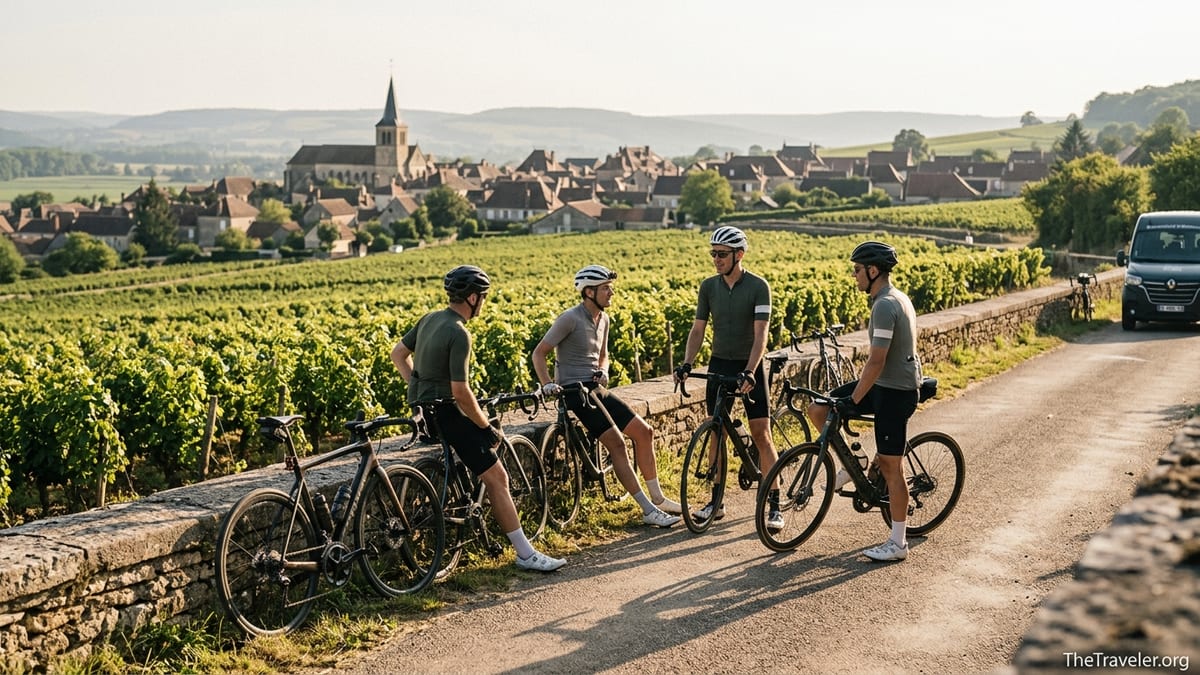
Who Butterfield & Robinson Is Really For
Butterfield & Robinson, founded in 1966 and based in Canada, specializes in high-end biking and walking trips that lean into slow, immersive travel. Their typical guest is a well-traveled professional or retiree who cares more about memorable meals, boutique hotels and great guides than ticking off as many cities as possible. If you picture yourself cycling between family-run wineries in Portugal’s Douro Valley, then sitting down to a chef’s tasting menu, you are in their core audience.
Groups are intentionally small. Butterfield & Robinson caps most small group departures at around 16 travelers, with typical groups closer to 10 to 12 people. This scale allows for private vineyard lunches, after-hours access to sites and characterful hotels that simply cannot take a busload of 40. On a Burgundy bike trip, for instance, you might stay in a converted château with only a few dozen rooms, where the chef customizes a seasonal menu for the group each night.
Activity levels are flexible but the trips are still active. A typical day on an Italian biking itinerary might include 25 to 40 miles of riding, broken up with coffee stops, scenic viewpoints and a long lunch. E-bikes are commonly offered so that moderate cyclists can comfortably handle rolling hills in places like Tuscany or the Rioja region. If you prefer window-shopping to walking or biking, this may not be your ideal style of vacation.
Personality fit matters as much as fitness. Travelers who enjoy good conversation over long dinners and value thoughtful pacing usually thrive on these trips. Guests looking for high-energy nightlife, party-focused group dynamics or budget-first travel usually find other operators a better fit.
Understanding the Price Tag and What It Really Buys You
Butterfield & Robinson is unambiguously expensive. A six-night small group cycling trip in Europe in shoulder season can easily run in the high four figures per person, and peak season or more exotic destinations can climb into the low five figures before flights. That sticker shock can be jarring if you are comparing the price to simply booking your own hotels and renting a bike.
The value lies less in basic inclusions like lodging and more in layering of services. Typically, the trip price covers premium or luxury hotels, most meals with wine, top-quality bikes or e-bikes, daily route planning, support vans, luggage transfers, experienced local or long-tenured guides and many private experiences. On a Provence bike trip, that might look like an olive oil tasting at a small estate that is not open to the general public, a picnic set up on a quiet farm lane, or a private visit to a winemaker’s cellar between rides.
Where you will notice the difference most is in the intangibles. Guides often have years of experience with the company and deep local contacts, which can translate into last-minute restaurant reservations in a busy town, an impromptu detour to a village festival or a rapid reroute if weather closes a mountain pass. In New Zealand, for example, a guide may switch a long ride for a glacier valley walk and private wine tasting when a Pacific front brings heavy crosswinds to the planned route.
It is still important to be realistic. You are paying for curation and access, not unlimited pampering. Spa treatments, premium wine upgrades and many pre- or post-trip nights are usually extra. If the idea of paying almost as much for a week of guided cycling as you could for two weeks of independent travel feels fundamentally wrong, you may struggle to see the value, no matter how impressive the hotels or guides.
Trip Styles, Group Sizes and How “Active” It Really Feels
Butterfield & Robinson divides its offerings broadly into small group departures on set dates and fully private, bespoke trips crafted for one party. In recent years they have also leaned into multi-generational “legacy” journeys for families who want grandparents, parents and grandchildren on the same itinerary with tailored activities for different ages.
On small group trips, you can expect an average of 10 to 12 travelers with a hard cap around 16. That size allows for two guides and at least one support vehicle, so a typical day might see one guide riding or walking at the front while another accompanies those at a more leisurely pace. This setup helps mixed-ability couples, such as a strong cyclist paired with a partner who prefers shorter routes, both enjoy the day without compromise.
Daily activity is tiered. On a classic Burgundy bike day, guests might choose between a shorter 20-mile route focused on village stops and tastings, a mid-length 30-mile route that threads through more vineyards and a longer 40-plus-mile option for stronger riders. Those who are tired can hop in the van partway through the afternoon. On walking trips in places like the Dolomites, there may be a gentler lakeside or valley hike alongside a more strenuous high-mountain option.
If you book a bespoke private trip, the dynamic shifts. You can dial the activity level up or down, mix bikes and hiking within a single itinerary and adjust start times. A family celebrating a milestone birthday might, for example, request shorter morning rides through Puglia’s olive groves, followed by extended pool time and private cooking classes in the afternoons instead of all-day cycling.
Destination Choices and Seasonal Timing
Butterfield & Robinson is best known for Europe. Flagship regions include Burgundy and Provence, Tuscany and Piedmont in Italy, the Douro and Alentejo in Portugal, and the Spanish Basque Country and Rioja. These trips often sell out far in advance for popular months like May, June, September and early October, when weather is generally mild and vineyards are at their most photogenic.
Beyond Europe, the company runs small group and bespoke itineraries in North America, Asia, Africa and Oceania. Examples include wine country rides in New Zealand, hiking and cycling in Japan, and safari-linked active trips in Southern or East Africa that combine limited biking or walking days with game drives and high-end lodges. These long-haul trips often command higher prices because of remote logistics and premium properties.
Seasonality matters more than many first-time guests realize. A July cycling trip in Provence may bring daytime highs well into the 80s or 90s Fahrenheit, which can be draining even with early starts. In contrast, a spring walking itinerary in Ireland or the Scottish Highlands could be cooler and wetter but gentler in terms of physical strain. When you inquire, ask specifically why the company favors certain date ranges for a given region and what typical weather and traffic conditions look like on the routes they use.
You should also consider local events. A Burgundy itinerary that coincides with harvest may mean busy roads with tractors and vineyard crews, while a Basque Country trip during a major festival week can bring electric atmosphere but higher crowds and noise at night. Good planners at the company will usually time trips to avoid the most crowded weekends, but it is worth confirming.
Planning, Fine Print and How Booking Actually Works
Booking a Butterfield & Robinson trip usually starts with a conversation rather than a simple “Book now” click. For a scheduled small group departure, a specialist for that region will walk you through available dates, typical group demographics, fitness expectations and room categories. A deposit is then required to secure your space, with final payment due several weeks or months before departure depending on the destination and season.
For a private bespoke trip, the process is more involved. You will typically complete a questionnaire or planning call outlining your dates, preferred regions, activity level, budget and any special occasions. The company’s experience designers then draft a custom itinerary without prices, followed by a detailed quote once hotels and core services are confirmed. This back-and-forth can take anywhere from a few days to several weeks for complex, multi-country routes.
It is crucial to read the fine print about changes and cancellations. Deposits are normally nonrefundable after a certain date, and more restrictive terms often apply over peak periods or with certain boutique hotels that require full prepayment. If you are booking a Danube cycling trip a year in advance, for example, the most charming riverside inns may come with stricter cancellation rules than larger chain properties.
Travel insurance is strongly advised. Comprehensive policies that cover trip cancellation, interruption, medical emergencies and, ideally, “cancel for any reason” flexibility can protect a significant investment. Because Butterfield & Robinson itineraries frequently operate in rural areas, such as the backroads of Umbria or remote wine valleys in Argentina, you should also confirm that your policy covers medical evacuation from those regions.
Budgeting for Extras, Solo Travel and Hidden Costs
Even with a premium per person price, not everything on a Butterfield & Robinson trip is included. You should budget for flights, airport transfers on days outside the official trip dates, some lunches, a few dinners, bar drinks beyond table wine, spa treatments, laundry and personal purchases. In cities like Florence, Kyoto or Cape Town, many guests add two or three nights on their own at either the trip hotel or a similar property, which can significantly increase total trip cost.
Solo travelers need to pay particular attention to pricing. As with many tour operators, listed rates are usually based on double occupancy, and single supplements can be substantial. It is not unusual for a solo traveler on a week-long European cycling trip to pay a supplement in the low four figures to have their own room in the same luxury hotels used by couples. Occasionally, the company may run promotions that reduce or waive single supplements on less-full departures, but you should not count on this as a given.
Gratuities are another consideration. On many trips, tips for guides, support staff and some local hosts are either included or covered by a recommended group pool, but practices can vary by destination. You should ask clearly whether guide gratuities are included and, if not, what level is customary. On a six-day small group trip, guide tips for two guides can easily add several hundred dollars per person.
Finally, be realistic about pre- and post-trip spending. Guests on a Bordeaux or Napa itinerary might be tempted to ship home wine, purchase cycling gear or enjoy high-end meals on nights outside the tour. Over a 10 to 12 day Europe trip, incidental spending of several hundred dollars per person is common, and many travelers spend more.
How Butterfield & Robinson Compares to Other Operators
For many travelers, the main comparison is between Butterfield & Robinson and other high-end active operators such as Backroads, DuVine or smaller regional specialists. Broadly speaking, Butterfield & Robinson sits at or near the top of the market in both price and level of accommodation, with a distinct focus on slow travel and a more understated, European-leaning style of luxury.
Compared with larger mainstream tour companies that might run 30- to 40-person coach tours, the differences are stark. Butterfield & Robinson’s small groups, capped around 16, allow access to intimate properties, quieter back roads and more flexible daily plans. On a mainstream group tour of Italy, for example, you might spend much of your time driving between major cities and staying in big hotels near bus routes. On a Butterfield & Robinson bike trip, your days are more likely to be spent on narrow country lanes between small hill towns, with nights in restored farmhouses or historic palazzi.
Within the high-end active niche, distinctions are subtler. Some competitors lean a bit more casual or focus on slightly larger group sizes to keep prices lower, while others put more emphasis on performance cycling or technical hiking. Butterfield & Robinson tends to favor comfort, food and wine, and cultural immersion balanced with a moderate, inclusive level of activity. If you prefer very fast-paced riding with long daily distances, you may want to ask specifically about the longest route options offered on any itinerary you are considering.
Reading recent traveler reviews and, if possible, speaking with a specialist who has personally guided or scouted the route you are eyeing can help clarify fit. A candid planner should be willing to tell you if, for instance, a remote Croatia bike trip is better suited to seasoned riders while a Loire Valley or Dutch tulip season itinerary works well for casual cyclists.
The Takeaway
Booking a Butterfield & Robinson trip is less about finding the cheapest way to cycle through Europe and more about deciding whether you value small groups, polished logistics and curated experiences enough to justify a premium price. For travelers who love the idea of biking between vineyards, staying in intimate luxury hotels and having seasoned guides smooth out the inevitable travel wrinkles, the investment can feel worthwhile.
Before you commit, be honest about your fitness, budget and travel style. Talk through departure dates, group size, typical daily distances and what is and is not included. Ask about single supplements if you are traveling alone, as well as cancellation terms and the role of travel insurance. Clarify whether the itinerary you are considering leans more toward leisurely riding and long lunches or more sustained activity.
If the answers line up with your expectations and you are comfortable with the cost, a Butterfield & Robinson journey can deliver some of the most memorable active travel experiences available today, from truffle lunches in Piedmont to coastal rides along New Zealand wine country. If not, the exercise of asking detailed questions will still help you find a better-fitting trip, whether that is a different operator, a private bespoke itinerary or a self-guided adventure of your own making.
FAQ
Q1. How far in advance should I book a Butterfield & Robinson trip?
For popular European itineraries in peak months like May, June, September and early October, aim to book six to twelve months ahead, especially if you need specific dates or are traveling as a larger party. Bespoke private trips often require even more lead time to secure the best small hotels and guides.
Q2. Do I need to be an experienced cyclist to enjoy a Butterfield & Robinson bike trip?
No. Many guests are recreational riders who bike occasionally at home. E-bikes are widely available to make hills and longer distances more manageable, and daily routes usually offer shorter and longer options. A basic level of comfort on a bike and the ability to spend a few hours a day being active are more important than speed.
Q3. What is a typical group like on a small group departure?
Groups are usually a mix of couples, friends and some solo travelers, often in their 40s through 70s, with a shared interest in good food, wine and cultural experiences. The atmosphere tends to be convivial but not rowdy, with most socializing happening over breakfasts, picnic lunches and lingering dinners rather than late-night bar scenes.
Q4. Are Butterfield & Robinson trips suitable for children or teens?
Many standard small group departures are adult-focused, but the company also designs private family and multi-generational trips. On these, routes can be shortened, kid-friendly activities such as easy river rides or cooking lessons can be added and room configurations can be tailored for families. Always ask which itineraries and dates are best suited to specific ages.
Q5. How do I know if a specific itinerary’s activity level is right for me?
When you inquire, request concrete examples of daily distances, elevation gain and maximum route options. Ask how often support vehicles are available and whether e-bikes are offered. You can then compare those details with your current fitness and any recent rides or hikes you have comfortably completed at home.
Q6. What kind of accommodations can I expect?
Expect upscale boutique properties, historic estates, stylish lodges and design-forward hotels that reflect the character of the region. In Burgundy, that might mean a small château surrounded by vines, while in New Zealand it could be a contemporary lodge overlooking a lake or vineyard. Rooms are usually well appointed but not always uniform, especially in historic buildings.
Q7. Are dietary restrictions and food allergies accommodated?
Yes, as long as you communicate needs in advance. Butterfield & Robinson regularly accommodates vegetarian, pescatarian and many gluten-free or dairy-free diets, working with hotels and restaurants to adapt menus. In more remote or traditional regions, choices may be more limited, so detailed discussion before booking is important if you have complex restrictions.
Q8. What happens if the weather is bad during the trip?
Guides typically adjust plans when weather is unfavorable. That might mean shifting ride times earlier or later in the day, shortening a route, substituting a museum or market visit for a long hike or arranging more van support. In extreme conditions, activities can be canceled or replaced, with the focus on safety and reasonable comfort.
Q9. Can I extend my trip before or after the group itinerary?
Yes. Many travelers add independent nights at the start or end in gateway cities like Paris, Florence, Lisbon or Auckland. Butterfield & Robinson can often help with hotel suggestions or bookings, and planners may recommend specific neighborhoods, restaurants or local guides to complement the main itinerary.
Q10. Is it better to book directly with Butterfield & Robinson or through a travel advisor?
Both approaches can work well. Booking direct connects you with the company’s in-house specialists who know each itinerary in detail. A trusted travel advisor, however, can help compare multiple operators, secure promotions when available and coordinate flights, pre- and post-stays and insurance, which is particularly helpful for complex or multi-destination trips.