


Listing a beloved second home on any platform can feel like a leap of faith. With ThirdHome, that leap is into a curated members club rather than the mass short term rental market, but it still pays to understand exactly how the system works before you hand over the keys. From eligibility rules and fees to guest expectations, insurance and real world examples of how owners actually use the club, here is what to know before you list.
Get the latest updates straight to your inbox!
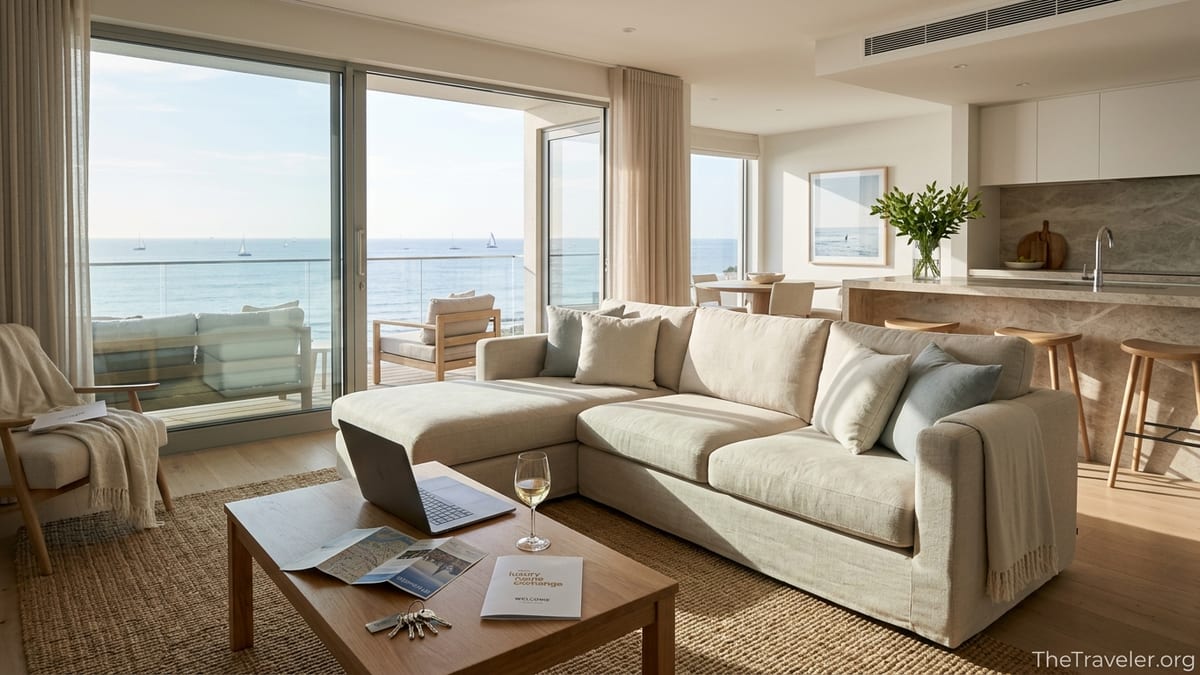
Understanding What ThirdHome Is (and Is Not)
ThirdHome positions itself as a private, upscale home exchange club built specifically for luxury second home and vacation property owners. Instead of functioning like a typical short term rental site, it operates on a credit model: you deposit time in your home and earn “Keys,” which you then spend to stay in other members’ properties. The emphasis is on reciprocity between like minded owners rather than on maximizing nightly cash income.
This means you are not listing your home to earn rental revenue in the way you might on a mainstream platform. A lakefront home in Tennessee, a ski chalet in Colorado or a beachfront villa in Mexico that might otherwise rent for several thousand dollars per week in peak season instead becomes a currency for your own travel. Members often report using deposited weeks to stay in homes that would typically be priced much higher than what they would pay in exchange fees, such as a four bedroom villa on the Costa del Sol or a golf estate in Scottsdale.
It is also not a direct swap system. You are not required to trade homes with the exact person who stays in your property. A London townhouse might host a family from Florida; the London owners could then use the Keys from that stay to book an ocean view condo in Maui at a totally different time of year. This flexibility is one of the main distinctions from classic home exchange arrangements, but it also means you need to pay attention to how many Keys your weeks earn and how you plan to use them.
Finally, the club is curated. ThirdHome screens both properties and members, limiting access to those with qualifying homes in desirable destinations. That curation can translate into a more predictable standard of quality compared with an open marketplace, but it also means not every second home will be accepted.
Eligibility: Does Your Second Home Qualify?
Before you get excited about listing, you will need to determine whether your property meets ThirdHome’s criteria. The company focuses on luxury second homes typically valued at around half a million dollars or more, with many in the million dollar plus range. While the exact minimum value can shift over time, their own materials highlight a band that runs from roughly mid six figures up to multi million dollar estates.
Beyond price, location and quality matter. A modern three bedroom mountain home in Park City, a designer beachfront condo in Miami Beach, or a contemporary villa in Cabo San Lucas are the types of properties you will commonly see on the platform. They tend to be in recognized vacation destinations, close to beaches, ski slopes, golf courses, marinas or historic city centers. A comfortable but modest cabin in a remote, little visited area may struggle to qualify, even if it is personally special to you.
Fit and finish are equally important. ThirdHome expects homes to be well appointed, with good quality furnishings, complete kitchens, reliable Wi Fi and details like comfortable beds and hotel quality linens. If your home is still half furnished with mismatched pieces or feels like a work in progress, it is wise to invest in upgrades before you apply. Owners who add a proper second king bedroom, refresh dated bathrooms, or install air conditioning in hot climates often find the value and appeal of their home increases both in Keys earned and in guest interest.
Finally, you must be able to offer genuine availability. The club is designed for properties that sit empty for a meaningful portion of the year. If you occupy your ski condo every weekend from December through March and loan it to family most of the off season, you may not have enough weeks left to make membership worthwhile. On the other hand, if you only use your beach house for two summer weeks and the rest of the season it sits vacant, depositing several high demand weeks can unlock a lot of travel value.
How the Keys and Fees Work in Practice
The core of ThirdHome is its Keys system. When you list a specific week or date range at your second home, the club assigns that stay a Key value based on factors like location, season, size, and quality. A three bedroom oceanfront home in the Caribbean during Christmas week might earn significantly more Keys than the same home in hurricane season. Those Keys are credited to your account once the week is booked and completed.
On the travel side, you spend Keys plus an exchange fee to book other members’ properties. ThirdHome cites typical seven night stays averaging in the low hundreds of dollars per night in fees, which often comes out to roughly several hundred to around fifteen hundred dollars or more per week, depending on the property tier and demand. For example, an owner might deposit a spring week in their Scottsdale golf villa and earn enough Keys to book a week in a French countryside estate, paying a four figure exchange fee that is still a fraction of what that estate would rent for through a luxury villa agency.
You will also see annual club dues. ThirdHome has promoted a structure in which the first year of membership dues is often waived, with an ongoing yearly fee in the low hundreds of dollars charged thereafter. These figures can change, and there can be special arrangements for owners affiliated with certain resort brands or residence clubs, so it is worth confirming the current fee table with the company before you join. In any case, it is important to think of the cost not as traditional rental income but as travel leverage: unused time in your property is turned into discounted luxury stays elsewhere.
The financial equation works best if you are a reasonably active traveler. An owner who deposits two or three attractive weeks each year and uses the resulting Keys to take at least one or two substantial trips typically feels they are getting excellent value. Someone who joins, deposits weeks and then rarely travels may end up sitting on unused Keys while still paying dues, which undermines the premise of the club.
Preparing Your Home and Setting Expectations
Once your second home is accepted, you will need to prepare it more like a high end vacation rental than a simple guest room. ThirdHome guests often arrive expecting a level of comfort comparable to boutique hotels or upscale villa rentals. That means quality mattresses, multiple pillow options, crisp linens, plenty of towels, and a kitchen stocked with enough equipment to cook proper meals. If your lake house currently has only one aging non stick pan and four chipped plates, you may need to upgrade.
Think through maintenance and cleaning logistics carefully. Many successful owners hire a local property manager or housekeeper who can handle turnovers between guests, check that everything is in working order, and be available if a pipe leaks or a key code fails. For instance, a couple with a three bedroom condo in Vail might pay a local management company a flat fee per stay to coordinate housekeeping, hot tub servicing and mid stay snow shoveling, while they manage bookings and guest communication directly through ThirdHome.
Clear house rules are important as well. While ThirdHome members are vetted and typically respectful, expectations differ between families. If you would prefer no pets, quiet hours on decks after 10 p.m., or no glassware in the hot tub, these details should appear both on your listing and in a concise welcome guide inside the home. Thinking through practicalities such as parking limits, use of fireplaces, and whether guests may invite outside visitors for dinner will help avoid awkward misunderstandings.
Finally, consider how personal you want the space to feel. Many owners lock one closet or a small storage room for personal items and leave the rest of the house relatively neutral. Family photos on a single shelf can add warmth, while an entire wall of irreplaceable original art might be better protected elsewhere. The goal is to preserve what matters most to you while still presenting a welcoming, uncluttered home to guests.
Protecting Your Property: Security, Insurance and Policies
Even within a curated club, opening your second home to strangers carries risk, so it is essential to understand how protection works. ThirdHome emphasizes that only approved members can book stays and that properties and guests are verified. Member reviews after each stay also build a track record over time, much like on major rental platforms, allowing you to gauge how reliable and respectful a prospective guest might be before confirming their reservation.
That said, you should not rely solely on the platform. Start by reviewing your existing homeowners or vacation home insurance policy with your agent and explaining that you plan to participate in a home exchange club. Some insurers are comfortable covering occasional, non cash exchanges; others may require an endorsement or separate policy if the usage looks similar to short term renting. For example, an owner of a coastal home in South Carolina might be required to carry specific hurricane and flood coverage, plus liability protection if guests use a dock or small boat stored at the property.
Next, think about physical security and inventory. Smart locks with time limited codes make it easier to manage access for back to back guests without hiding keys under flowerpots. A discreet camera monitoring only the exterior entry points can provide reassurance without encroaching on guest privacy. Inside, secure items that would be hard or impossible to replace, from jewelry to heirloom furniture. Many owners install a small lockable cabinet for top shelf spirits and specialty kitchen equipment, leaving the basics freely available.
Finally, decide how you will handle minor wear and tear versus significant damage. The reality of any form of hosting is that glasses break, sofa cushions get scuffed and outdoor furniture weathers faster. Having a mental threshold for what you consider ordinary and what warrants involving the platform or insurance will reduce stress. Some owners keep a small annual reserve specifically for touch ups after busy seasons, such as repainting high traffic hallways or replacing stained rugs in family rooms.
Comparing ThirdHome to Renting or Other Exchange Options
Before listing, it helps to be clear about why you are choosing ThirdHome over alternatives. If your primary goal is to maximize cash flow, traditional short term rental on a high traffic platform may generate more immediate income, especially in peak destinations. A five bedroom oceanfront house on the Outer Banks, for example, could command several thousand dollars per week in summer when rented outright. Owners who rely on that revenue to cover mortgages, taxes and upkeep often prioritize direct rentals.
ThirdHome, by contrast, is about lifestyle returns. The same Outer Banks owner might instead deposit two prime weeks, earn Keys, and use them to stay at a luxury apartment in central Paris and a ski lodge in Whistler, paying only exchange fees that tally to far less than market rental rates. For owners who travel regularly and value variety, this can feel like a better use of their property than squeezing every possible dollar out of it.
Compared with mass market home exchange platforms that welcome both primary and secondary residences across a wider range of price points, ThirdHome sits at the higher end. Those broader sites may offer more volume and lower membership costs, but their inventory includes everything from small city apartments to rural cottages of widely varying standards. ThirdHome’s narrower focus on high value second homes is designed to create more consistent quality and a sense of shared expectations between members.
In practice, some owners blend strategies. A family with a contemporary villa in Costa Rica might rent it commercially during peak Christmas and New Year weeks, when nightly rates are highest, then hold back shoulder season weeks to deposit on ThirdHome. That way, they achieve a mix of income and travel benefits while keeping total guest nights at a level they are comfortable managing.
Making the Most of Membership Once You List
Listing your second home is only the first step. To truly benefit from ThirdHome, you will need to be proactive about how and when you deposit weeks and how you search for stays. Weeks in school holiday periods, major events or the best weather windows in your destination often earn more Keys and book faster. For example, a condo in Aspen that is offered in late January during reliable snow conditions can be more attractive than random dates in mud season.
You will also want to plan your own travel calendar with some flexibility. Because inventory is member generated and constantly shifting, the most successful ThirdHome users tend to check availability regularly and keep an open mind about destinations. An owner who initially hoped for Italy in June might instead discover an exceptional August week at a waterfront home in Croatia or a wine country estate in Sonoma. Being ready to pivot when a high value opportunity appears is part of the culture of the club.
Communication matters too. Prompt, courteous replies to inquiries help your property stand out, and leaving thoughtful reviews of the homes you visit contributes to the overall trust level in the community. Some owners go a step further by sharing local tips in advance: restaurant reservations that book up early, recommended hiking trails, or the best times to avoid crowds at nearby attractions. Those touches often result in reciprocal care when you visit other members’ homes.
Finally, monitor how your listing performs and adjust as needed. If a particular week is not attracting interest, you might update your photos, fine tune the description, or shift availability into a more popular season. Owners willing to experiment and stay engaged usually end up with a steady rhythm of both hosting and traveling that maximizes the value of their membership.
The Takeaway
Listing your second home on ThirdHome can be a compelling way to transform unused weeks into a portfolio of rich travel experiences, but it is not a fit for every owner. The club is tailored to higher value vacation properties in desirable destinations, and it assumes that what you want most from your home is leverage for your own journeys rather than pure rental income.
If your property meets the eligibility criteria, you are comfortable preparing it to a high standard and you travel enough to use the Keys you earn, the economics can be attractive. A few carefully chosen deposited weeks can open doors to villas, city apartments and resort residences around the world at costs far below typical rental rates. The curated nature of the club, combined with member reviews and verification, offers a layer of reassurance that many owners find appealing compared with anonymous mass market platforms.
At the same time, protecting your property and peace of mind requires groundwork: reviewing insurance, setting up reliable cleaning and maintenance support, clarifying house rules and deciding which personal items to remove or secure. ThirdHome reduces, but does not eliminate, the inherent risks of sharing your home.
Approach the decision with clear eyes, realistic expectations and a focus on how you want your second home to support your lifestyle. For many owners, that calculation leads to a simple conclusion: used thoughtfully, ThirdHome can turn an underused asset into a passport to experiences that might otherwise remain out of reach.
FAQ
Q1. Do I earn any rental income from listing my home on ThirdHome?
No. ThirdHome is a home exchange club, not a traditional rental platform. You earn travel credits called Keys, which you spend on stays in other members’ homes rather than receiving cash payments.
Q2. How expensive does my second home need to be to qualify?
ThirdHome focuses on luxury properties typically in the mid six figures and above, often around or above the half million dollar mark, with many in the million dollar plus range. Exact thresholds can change, and the overall standard of the home and its location are just as important as estimated value.
Q3. Can a primary residence be listed, or is it only for second homes?
The club is primarily designed for second homes and vacation properties that sit empty for part of the year. In some cases, eligible vacation style primary residences may be considered, but you should expect the focus to remain on true second homes in established leisure destinations.
Q4. What kinds of ongoing costs should I budget for as an owner?
Beyond your usual ownership expenses, you will typically pay an annual membership fee, per stay exchange fees when you travel, and local costs for cleaning, maintenance and any property management support you hire. Many owners build these into their overall second home budget rather than treating them as standalone profit centers.
Q5. How many weeks do I need to deposit each year to make membership worthwhile?
There is no fixed number, but the model works best if you can deposit at least one or two attractive weeks annually and have the flexibility to use the Keys you earn. Owners who rarely travel or can only offer off season dates may struggle to realize the full value of the club.
Q6. What level of service do guests expect in my home?
Guests typically expect a standard similar to upscale vacation rentals: clean, well maintained spaces, high quality linens, a fully equipped kitchen, reliable Wi Fi and clear instructions for appliances and amenities. You are not expected to offer hotel style daily housekeeping, but you should arrange thorough cleaning before and after each stay.
Q7. How is my home protected if something is damaged during a stay?
ThirdHome relies on verified members, reviews and its own policies to reduce risk, and additional protections may be available, but you should still maintain appropriate homeowners or vacation rental insurance. It is wise to speak with your insurer about your planned use and to clarify what is covered in case of accidental damage.
Q8. Can I both rent my home on other platforms and list it on ThirdHome?
Many owners use a mixed approach, renting during peak revenue weeks and depositing other weeks for exchange. The key is to avoid double booking and to ensure any rental agreements or management contracts you have allow for participation in a home exchange club.
Q9. Do I have control over who stays in my property?
Yes. As the owner, you can review inquiries, ask questions and decline requests that do not feel like a good fit. You can also set house rules such as no pets or maximum occupancy, and you see member profiles and reviews before confirming stays.
Q10. How far in advance should I plan my own ThirdHome trips?
Planning several months to a year ahead generally gives you the best choice of homes and dates, especially in popular destinations or during school holidays. That said, last minute opportunities do arise, and flexible members often find excellent short notice stays when other travelers’ plans change.