


More news on this day
The United States has renewed attention on its strict travel warning for Iran and nearby air corridors as the 2026 conflict and its spillover across the Middle East continue to disrupt flight routes, complicate evacuations, and raise security concerns for Americans abroad.
Get the latest news straight to your inbox!
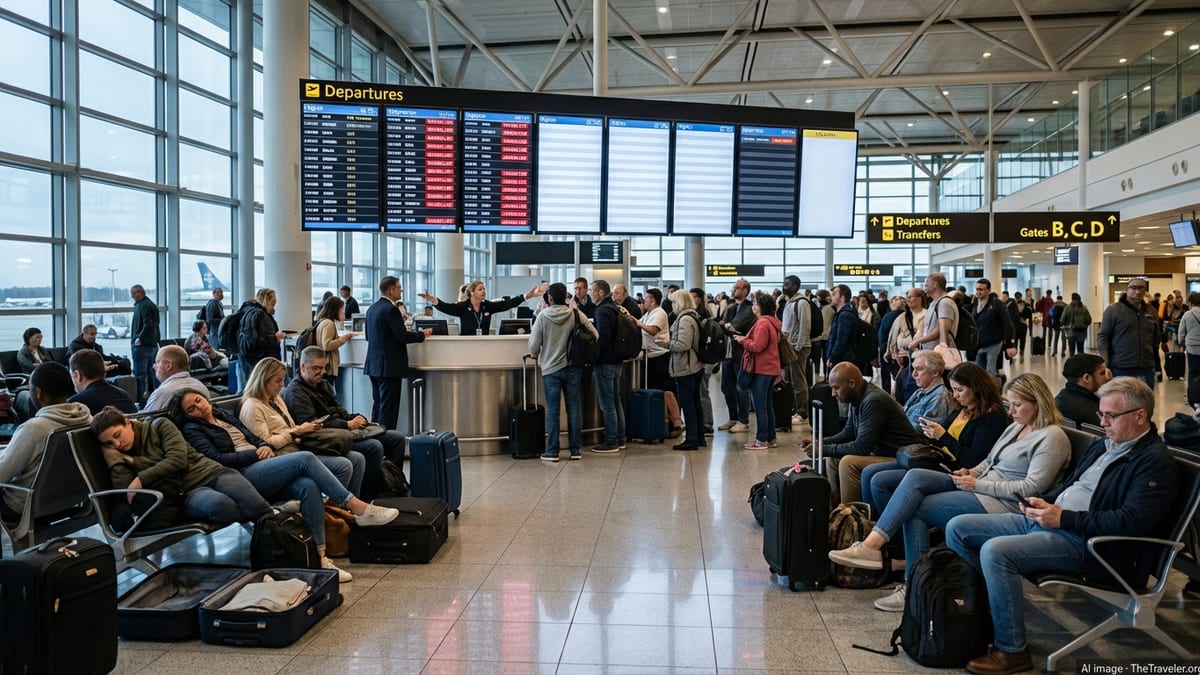
Level 4 “Do Not Travel” Advisory for Iran Remains in Force
Publicly available information from the U.S. Department of State shows that Iran remains under a Level 4 “Do Not Travel” advisory, the highest warning level in the U.S. system. The advisory, last updated in late 2025, cites risks that include terrorism, civil unrest, kidnapping, and the wrongful detention of U.S. citizens. It urges Americans to avoid all travel to the country and notes that the U.S. government has extremely limited ability to assist citizens inside Iran due to the absence of formal diplomatic relations.
The advisory also highlights long-standing concerns about arbitrary arrest and detention of dual nationals, opaque legal proceedings, and restrictions on contact with consular representatives. These warnings have taken on renewed importance since the outbreak of hostilities between the United States and Iran in late February 2026, when airstrikes, missile attacks, and cyber operations widened into a broader regional conflict.
Alongside the destination-specific alert for Iran, the State Department’s broader guidance on regional security emphasizes that the situation remains fluid, with localized developments inside Iran and along its borders potentially changing at short notice. Travelers are urged in official materials to carefully review the full advisory text and any subsequent security alerts before attempting to transit the country or its surrounding region.
Regional Warnings Follow Onset of 2026 Hostilities
Since large-scale hostilities began on February 28, 2026, the United States has revised travel advisories across much of the Middle East. Updated notices for Bahrain, the United Arab Emirates, and Azerbaijan, among others, explicitly link heightened risk levels to the conflict between the United States and Iran and to the threat of drone and missile strikes that have periodically targeted airports, critical infrastructure, and urban areas.
According to published coverage and advisory texts, non-emergency U.S. government personnel and their family members were ordered to depart some Gulf posts in early March due to security concerns and the potential for further attacks. The advisories also warn that airspace restrictions, sudden airport closures, and rerouted flights are likely to continue as military operations and retaliatory strikes evolve.
While diplomatic efforts in June 2026 produced a memorandum of understanding aimed at de-escalating the conflict, various foreign affairs agencies in Europe and elsewhere still caution that the security environment across the region remains unpredictable. Official travel advice from several governments refers to the possibility of renewed strikes, localized unrest, and disruptions to cross-border movements even amid ceasefire initiatives.
Worldwide Caution Highlights Global Security and Airspace Risks
In addition to country-specific notices, the United States has issued a Worldwide Caution message advising Americans abroad to exercise increased vigilance. Public documentation of this alert notes that groups aligned with or supportive of Iran could target U.S. interests, facilities, or locations associated with Americans in multiple regions, extending the impact of the conflict beyond the immediate theater of operations.
The Worldwide Caution further underscores the risk of periodic airspace closures and restrictions on overflight in and around the Gulf, the Levant, and the Red Sea corridors. These measures, implemented in response to real or perceived threats to civilian aviation, have already led to flight diversions, extended routings, and delays on some long-haul services connecting North America, Europe, Africa, and Asia.
Publicly available guidance points travelers toward airline and airport notifications for the most current operational information, while advising that rapid changes may occur with little advance warning. Travelers are encouraged to maintain flexible itineraries, monitor news from reputable outlets, and be prepared for schedule changes, cancellations, or unexpected overnight stays if transit hubs are affected by security incidents.
Flight Disruptions and Rerouting Around Iranian Airspace
Civil aviation regulators and industry analyses describe a complex pattern of airspace closures and risk mitigation measures arising from the Iran conflict. Notices from the U.S. Federal Aviation Administration reference longstanding prohibitions on certain U.S. civil flights in the Tehran Flight Information Region, while more recent global aviation commentary shows carriers further adjusting routings to avoid sensitive corridors over Iran, Iraq, and adjacent waters.
European and international aviation safety bodies have issued their own recommendations, advising operators to limit or avoid overflight of parts of the Gulf region and surrounding conflict zones for defined periods. Some advisories suggest that traffic has been funneled through narrower north and south corridors, increasing congestion and travel times while preserving distance from active military operations.
Industry briefings on the 2026 outlook for passenger aviation report that the resulting detours have contributed to extended flight durations, higher fuel consumption, and elevated operating costs for airlines. Passenger itineraries involving major hubs in the Gulf and eastern Mediterranean have experienced cancellations and schedule overhauls as carriers adapt to shifting risk assessments, insurance requirements, and the possibility of further missile or drone activity.
Implications for Americans Planning Travel Through the Region
For Americans with upcoming itineraries that transit the Middle East or neighboring regions, publicly accessible guidance emphasizes preparation and flexibility. Travelers are urged to confirm routes and schedules directly with airlines, paying special attention to connections that typically overfly Iran or use hubs in Gulf states that have experienced heightened security concerns since February 2026.
Some carrier advisories and travel-industry analyses indicate that rebooking options, waivers, or alternative routings may be available when airspace restrictions force detours or sudden cancellations. However, policies differ between airlines and may change as the situation develops, so passengers are encouraged to review fare rules, travel insurance coverage, and the latest operational updates before departure.
Travel experts and official materials alike suggest that anyone considering nonessential trips near the conflict zone should weigh whether travel can be postponed or rerouted through alternate hubs outside the affected region. For those who must travel, registering with relevant government alert systems, maintaining updated contact information, and keeping critical documents and medications readily accessible are widely recommended precautions should flight disruptions or security incidents occur.