


More news on this day
UAE airlines are operating with a mix of normal and reduced schedules on Sunday, July 19, 2026, as carriers continue to navigate the aftershocks of recent regional airspace disruptions that led to waves of cancellations earlier in the year.
Get the latest news straight to your inbox!
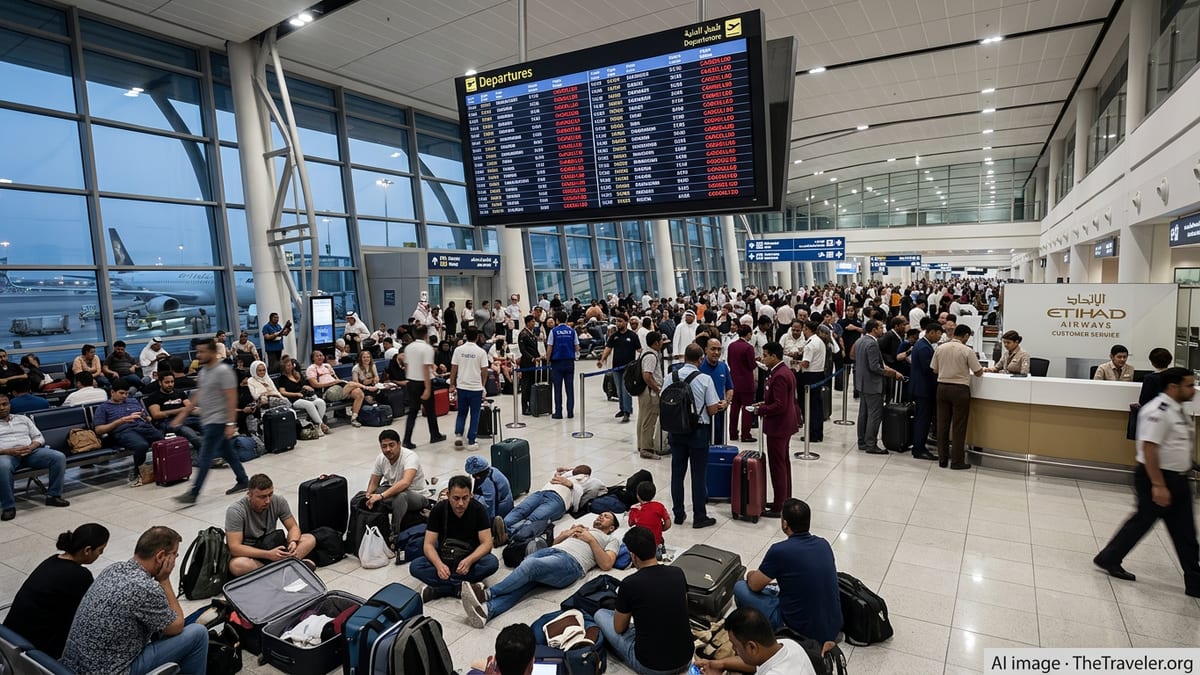
Background: From mass suspensions to gradual recovery
Air traffic into and out of the United Arab Emirates has been recovering after a series of airspace closures and security concerns earlier in 2026 that forced large‑scale suspensions at the country’s main hubs. Publicly available statements from airlines and airport departure boards show that flights have largely resumed, but with timetables that remain more fragile than in previous years.
Earlier this spring, Etihad Airways temporarily halted all services to and from Abu Dhabi on multiple days, citing regional airspace closures and advising passengers not to travel to the airport unless contacted with new options. Separate operational notices and independent aviation coverage recorded similar pauses at Emirates, which runs the bulk of traffic through Dubai International Airport, including several days when all Emirates flights from Dubai were suspended before a limited schedule returned.
Low‑cost carriers Air Arabia and flydubai were also affected, with travel alerts and media reports referring to reduced operations, selective route cancellations and rolling schedule changes. In some cases, limited frequencies were maintained on key regional and South Asian routes while other destinations were paused or rerouted around restricted airspace, resulting in longer journey times and missed connections.
Although many of those blanket suspensions have since expired, the pattern has left a legacy of short‑notice changes. Aviation analysts note that even when airports and airspace are open, crew positioning, aircraft rotations and security assessments can continue to trigger cancellations and delays on particular flights, especially during peak travel days.
Etihad Airways: Network mostly restored but still sensitive
Etihad’s latest schedules from Abu Dhabi indicate that most long‑haul and regional services are operating on July 19, with departures and arrivals boards at Zayed International Airport showing a near‑normal spread of flights to Europe, Asia and the Americas. However, status pages monitored throughout the morning display a small number of cancelled and “unconfirmed” services, underlining that operations have not fully reverted to pre‑crisis stability.
Recent travel alerts and archived notices show that Etihad previously suspended all flights to and from Abu Dhabi for defined periods in early March, with subsequent updates extending the disruption window as regional airspace remained constrained. That experience appears to be informing a more cautious stance this summer, with the airline continuing to direct passengers to its online flight status tool and to email notifications for the latest information.
Industry observers say that while Etihad’s core network is now functioning, individual flights can still be affected by late‑breaking routing changes around sensitive airspace, slot restrictions at busy European airports and crew duty‑time limitations when aircraft are held on the ground. Passengers booked to connect in Abu Dhabi, particularly those on tight layovers, are advised to monitor their itineraries closely and consider longer connection times where possible.
On the ground, Abu Dhabi’s departures boards show a mix of “on time,” “delayed” and occasional cancellations across both Etihad and partner airlines, suggesting a fluid situation that can change from one hour to the next as regional conditions evolve.
Emirates: Dubai hub running, but disruptions linger in memory
Dubai International Airport remains the region’s largest hub, and Emirates is once again operating a substantial schedule there on July 19. Live trackers and the airline’s own status tools show hundreds of flights running, with only a scattering of cancellations and longer delays compared with the mass suspension period seen earlier this year.
In March, Emirates implemented several multi‑day pauses on flights to and from Dubai due to airspace closures linked to regional tensions, later restarting with a limited timetable as conditions allowed. Archived travel updates describe periods when all services were halted before gradually ramping up to partial and then broader operations, while passengers were offered rebooking or refunds.
Customer reports and monitoring sites continue to highlight pockets of disruption, particularly for itineraries involving certain Middle Eastern and European gateways where air traffic control restrictions are tighter. Even when flights operate, some have been rerouted to avoid affected airspace, adding flight time and placing pressure on connection banks in Dubai, especially for overnight waves of long‑haul traffic.
Emirates’ public guidance encourages travelers to use its flight status page shortly before setting out for the airport and to ensure contact details in bookings are correct so that notifications of any late cancellations or schedule changes can be delivered quickly.
Air Arabia and flydubai: Budget carriers adjust routes and frequencies
Air Arabia, headquartered in Sharjah with additional operations from Abu Dhabi and Ras Al Khaimah, has been rebuilding its network after what the airline’s travel alerts describe as a period of “operational disruptions” connected to airspace restrictions. A June travel update indicated that only a limited number of flights between the UAE and selected regional destinations were initially restored, with more routes added gradually as approvals were secured.
The same update outlined a range of options for passengers whose flights remained cancelled, including date changes within a defined window, vouchers and refunds back to the original form of payment. Current schedules for July show Air Arabia operating a broad mix of services across the Middle East, North Africa, South Asia and parts of Europe, though some frequencies remain lower than in past peak seasons and occasional cancellations continue to appear on airport boards.
Flydubai, which operates a large narrow‑body network from Dubai International, has also been navigating the regional situation. Publicly available information on flight planning and recent coverage of disruptions in Iranian and nearby airspace describe how the carrier cancelled a series of flights to Iranian cities earlier in the year, alongside rerouting of other services to avoid restricted zones. Today, flydubai’s timetable is largely active, but individual rotations can still be vulnerable to late alterations when regional conditions tighten.
Both carriers emphasize the use of online tools for checking flight status and managing bookings, a shift that has become more pronounced as the pace of change in timetables has accelerated since the start of 2026.
What passengers flying today should expect
For travelers booked on Etihad, Emirates, Air Arabia or flydubai on July 19, the overall picture is one of broadly functioning networks layered with a higher‑than‑usual risk of disruption. Airport and airline data suggest that most flights are operating, but the share of delayed or cancelled services remains above long‑term norms for mid‑summer in the Gulf.
Passengers are being steered toward a few key practices to reduce the impact of any last‑minute changes. Public guidance from airlines highlights the importance of checking live flight status tools shortly before leaving for the airport, ensuring that email and mobile contact information is up to date in bookings, and allowing additional time at check‑in and security during peak hours.
Travel agents and frequent‑flyer forums also point to the value of flexible tickets and longer connections, particularly for complex itineraries linking multiple carriers or regions where overflight permissions can shift quickly. Where cancellations do occur, rebooking options may be constrained by high seasonal demand and the knock‑on effects of earlier disruptions, making early contact and proactive planning crucial.
With regional dynamics still in flux, aviation analysts expect UAE airlines to continue adjusting their timetables day by day. For now, the most reliable strategy for passengers is to treat flight times as subject to change and to keep a close watch on official status channels up to the moment of boarding.