


More news on this day
Travellers across India searching for summer flight bargains are discovering that the era of plentiful cheap domestic tickets has abruptly faded, replaced by stubbornly high fares and vanishing low-cost options on many popular routes.
Get the latest news straight to your inbox!
A Peak-Season Squeeze Meets a Capacity Crunch
The 2026 summer holiday period has arrived at a time when India’s domestic aviation network is already strained. Passenger demand has rebounded strongly from the pandemic and continues to grow, helped by expanding middle-class incomes and more people choosing to fly instead of taking long train journeys. Yet the number of seats has not kept pace, particularly on trunk routes such as Delhi–Mumbai, Bengaluru–Delhi, and Mumbai–Kochi, where searches for budget tickets now frequently return premium-level prices.
Industry analyses indicate that domestic passenger volumes in India have climbed steadily over the last two years, solidifying the country’s status as one of the world’s fastest-growing air travel markets. At the same time, the collapse of carriers such as Go First and the gradual retreat of some older budget operators removed significant capacity from the system. Newer entrants and fleet additions have not fully replaced the lost seats, leaving fewer options during high-demand windows like school vacations and long weekends.
The result is a classic supply-demand imbalance. With aircraft operating at high load factors on many routes, airlines have little incentive to discount remaining seats close to departure. For travellers accustomed to securing last-minute bargains or flash sales, this summer’s pricing patterns feel like a decisive break from the past.
Fare Caps Lifted Just As Demand Surges
A key policy shift has also reshaped the fare landscape. During a period of acute disruption triggered by large-scale cancellations at a major low-cost carrier, India’s Ministry of Civil Aviation imposed temporary emergency caps on domestic economy fares. These ceilings were designed to prevent sudden price spikes on affected routes and applied across all carriers and booking channels.
According to publicly available information and recent commentary from industry observers, those temporary price caps were withdrawn in late March 2026, just ahead of the busy summer season. With the ceiling removed, airlines once again have full pricing flexibility, constrained only by competition and consumer tolerance. The timing has proved significant: dynamic pricing algorithms now respond freely to surging holiday demand, especially on routes with limited competition or constrained capacity.
Reports from frequent flyers and travel forums suggest that fares on some popular domestic routes jumped almost immediately after the caps were lifted, particularly for travel in May and June. Advance-purchase discounts remain available in many cases, but the window for securing those lower prices has narrowed. For travellers booking within one to two weeks of departure, especially on weekends or around festivals, finding a genuinely cheap ticket has become markedly more difficult.
Fuel Costs, Taxes and Surcharges Keep a Floor Under Prices
Even as capacity issues and demand patterns play a central role, underlying cost pressures are also preventing fares from falling back to pre-pandemic levels. Aviation turbine fuel remains one of the single largest expenses for Indian carriers, with government data and sector studies indicating that fuel typically accounts for around 40 to 45 percent of an airline’s operating costs in the domestic market. This is significantly higher than global averages, due in part to state-level value-added tax levied on jet fuel.
Recent commentary from policy think tanks and financial analysts notes that ATF prices have been volatile, tracking swings in crude oil and geopolitical tensions. Although international jet fuel benchmarks have occasionally eased, domestic ATF rates in India have stayed elevated enough to pressure airline margins. In response, several carriers have periodically adjusted fuel surcharges on tickets, directly linking a portion of the final fare to fuel trends.
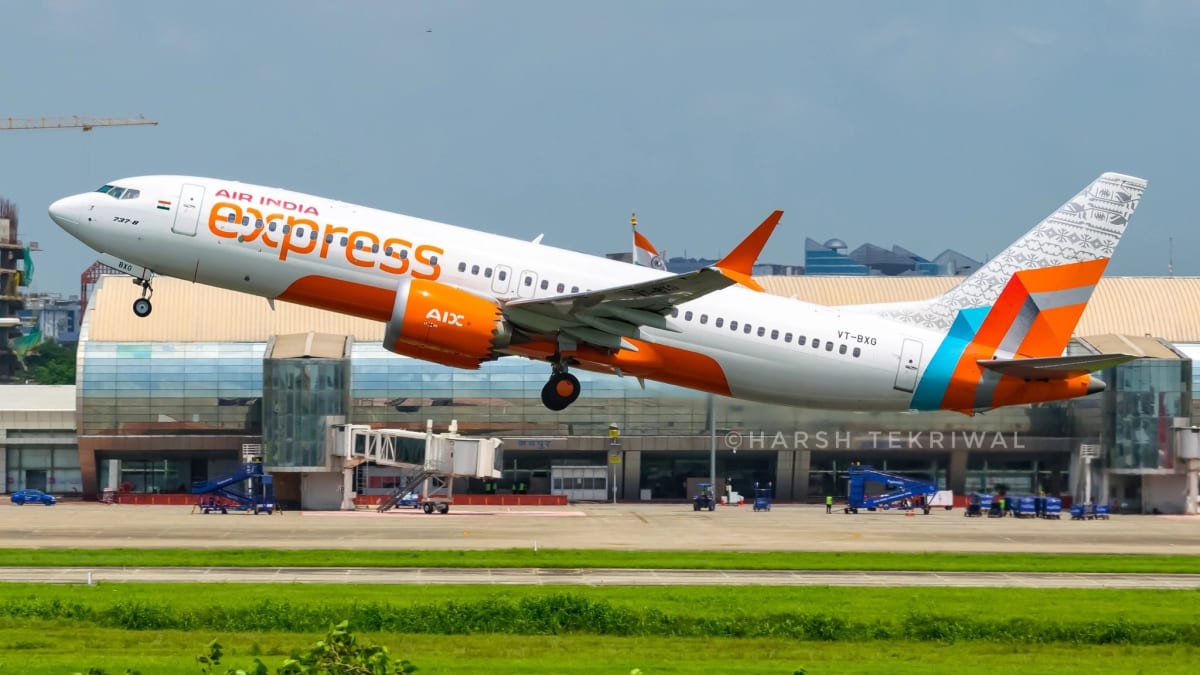
In April 2026, for example, the Air India group publicly announced a revision to its fuel surcharge structure on the back of what it described as a roughly 25 percent increase in domestic ATF prices over a defined period. This kind of adjustment sends a clear signal to the market: even when base fares appear competitive, add-on charges can push the all-in price higher, limiting the scope for truly low-cost travel nationwide.
A Market Dominated By A Few Big Players
The structure of India’s airline industry has also shifted, with consolidation reshaping competition on key routes. Market share data compiled by aviation consultancies and ratings agencies show a landscape increasingly dominated by two groups: IndiGo on one side and the expanded Air India group on the other, with smaller players like Akasa Air and SpiceJet accounting for relatively modest shares of domestic traffic.
This concentration has practical consequences for pricing. On many city pairs, a single airline or alliance now operates the majority of flights, while rival frequencies are limited. Publicly accessible route-level traffic statistics indicate that IndiGo and the Air India group together operate on a large majority of India’s domestic routes, often as the only carriers on thinner sectors. Where competition is sparse, airlines face less pressure to undercut each other, particularly when demand is strong and seats are scarce.
Aviation analysts point out that India’s experience is not unusual: as weaker carriers exit and stronger players consolidate, fares tend to stabilize at higher levels, especially in peak periods. For Indian travellers, the practical impact is fewer flash sales and a widening gap between the cheapest promotional fares advertised months in advance and the prices visible when trips are planned closer to departure.
What Travellers Are Seeing On The Ground This Summer
For passengers shopping domestic tickets in June and July 2026, these structural trends translate into very specific frustrations. Screenshots shared on travel discussion boards highlight economy fares on routes like Delhi–Goa or Mumbai–Kolkata that routinely exceed amounts many travellers once associated with international low-cost tickets to Southeast Asia. Budget-conscious flyers who previously relied on hopping multiple short segments within India now describe turning back to overnight trains or intercity buses as more realistic options.
Search data from online travel agencies, as reflected in industry coverage, suggests that travellers are responding by booking earlier, shifting to midweek departures, or choosing secondary airports where possible. However, because airport charges and infrastructure costs have also risen at many facilities, alternative airports do not always guarantee better deals. On some regional routes served by a single carrier with limited frequencies, the combination of strong demand and high operating costs means that fares remain elevated regardless of booking strategy.
As India’s aviation sector continues to expand, new aircraft deliveries, infrastructure upgrades and potential policy interventions on fuel taxation could eventually ease some of the pressure on domestic fares. For the current peak season, however, the convergence of robust demand, capacity bottlenecks, fuel-linked surcharges and a more concentrated airline market has created a new normal in which truly cheap domestic flights are the exception rather than the rule.