


On any given summer afternoon in Saint-Tropez, the scene on the harbor reads like a shorthand for modern European glamour: superyachts lined up along the quai, polished tenders shuttling guests to lunch on Pampelonne Beach, the clink of chilled rosé glasses under striped parasols, and narrow village lanes filled with shoppers moving between Dior, Chanel, and tiny Provençal galleries. Decades after Brigitte Bardot helped put this once-sleepy fishing village on the map, Saint-Tropez still draws an international crowd of yacht owners, fashion insiders, and privacy-seeking families, and it continues to evolve in ways that keep it one of Europe’s most iconic luxury escapes.
Get the latest updates straight to your inbox!
A Myth Turned Modern Icon
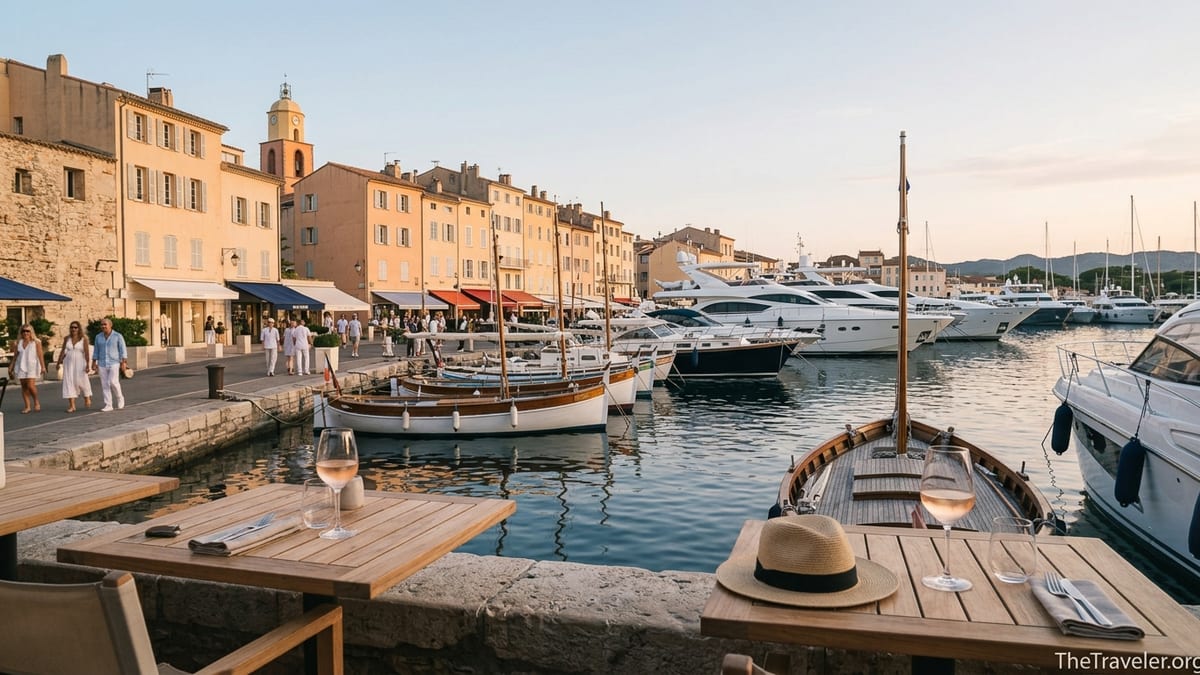
Saint-Tropez’s enduring appeal begins with its mythology. In the 1950s and 60s, actors, artists, and jet-setters arrived here precisely because it felt remote and slightly rebellious compared with the grand hotels of Cannes or Monaco. That heritage still shapes the destination today. The low-rise village houses around the Vieux Port, the ochre church tower, and the cobbled backstreets mean that even luxury developments must fit into a setting that looks and feels authentically Mediterranean, not manufactured.
Unlike purpose-built resort enclaves, Saint-Tropez has a compact historic core. You can walk from the harbor to Place des Lices or climb up to the citadel within minutes. For luxury travelers, that scale translates into a particular type of prestige: the ability to arrive by tender, step straight into a working village, and then retreat just as quickly to a secluded villa or hilltop hotel. New openings and renovations, from the updated suites at Hotel Byblos to the refreshed rooms at Althoff Villa Belrose overlooking the bay, are careful to preserve this sense of village intimacy while delivering contemporary comfort.
In recent seasons, the town has doubled down on its reputation as a reference point for Riviera style. Major fashion houses now treat Saint-Tropez as a seasonal flagship destination, building on the myth created by Bardot and the French New Wave era. When visitors wander into a luxury boutique here or book into a new designer restaurant in the old town, they are participating in a narrative that stretches back over half a century, yet feels firmly anchored in the present.
At the same time, Saint-Tropez has resisted becoming a museum piece. Village markets still fill Place des Lices with local producers, and early-morning fishermen still unload their catch at the port. This blend of lived-in Provençal life with a high-end international scene is one of the reasons seasoned travelers often return year after year rather than shifting entirely to newer hotspots on the Mediterranean.
Beach Clubs, Superyachts, and the New Riviera Playground
The strip of sand at Pampelonne Beach in nearby Ramatuelle remains one of Europe’s most famous stages for summer showmanship. Here, the concept of the modern beach club has been refined season after season, with a mix of long-established names and headline-grabbing takeovers. In recent years, fashion brands have leaned into so-called “fashion beach clubs,” with collaborations such as Los Angeles label James Perse reimagining Indie Beach’s Ramatuelle outpost in a clean, minimalist, striped aesthetic, complete with a temporary concept store on the sand. For guests, this means that a day at the beach can feel as curated as a runway presentation, with dedicated capsule collections and custom-designed sun loungers.
Prices here reflect the demand. In peak season, two front-row sunbeds and an umbrella at a coveted club on Pampelonne can run into several hundred euros for the day once you factor in minimum spends on food and drink. A lunch bill for four at a popular spot, with a seafood platter, a magnum of Côtes de Provence rosé, and dessert, easily climbs into the mid hundreds of euros. Yet the popularity of these clubs shows no sign of waning, and new hospitality groups continue to seek concessions on this beachfront, knowing that affiliation with Pampelonne brings instant global recognition.
Out on the water, the port remains one of the Mediterranean’s most photographed yacht backdrops. In July and August, berths are often secured months in advance, and nightly mooring fees for a large yacht can rival a suite rate at a five-star palace hotel. For many visitors, however, the harbor is part of the spectacle rather than a necessity. They may stay in a hillside retreat such as La Réserve Ramatuelle, then charter a smaller day boat to hop between Pampelonne and the quieter coves of the nearby coastline, returning to the hotel for sunset over the red rocks of the Esterel.
What distinguishes Saint-Tropez from other marinas along the Riviera is the density of experiences within such a small area. A couple can step off a yacht for breakfast at a harbor café, browse the luxury boutiques of Rue François Sibilli, spend the afternoon at a beach club 15 minutes away, and still be back in town in time for an art opening or a late-night set from a visiting DJ at a private club. The ease of stitching together sea, sand, gastronomy, and nightlife in a single day is a key reason it continues to attract an international high-spend crowd.
Design Hotels, Villas, and the Evolving Luxury Stay
The accommodation scene around Saint-Tropez shows how the destination has adapted to changing expectations at the very top of the market. Longstanding icons such as Hotel Byblos in the village and La Bastide de Saint-Tropez, set in lush gardens just outside the center, have undergone phased renovations, adding new suites with bolder colors, contemporary art, and upgraded spa facilities. For returning guests, the bones of their favorite properties remain, but the rooms now meet the latest standards in soundproofing, smart technology, and comfort that luxury travelers expect in 2026.
At the same time, a new generation of boutique brands has arrived. Arev Saint-Tropez, which opened its first season in 2024, introduced a year-round, nautically styled property within walking distance of the village. With just a few dozen rooms and suites, two pools, and a focus on tailor-made experiences, it targets guests who want an intimate, design-driven base rather than a large resort. Other openings, such as newly renovated waterfront estates and the revived Beauvallon domain on the opposite side of the bay, extend the Saint-Tropez universe beyond the village boundaries while still trading on its name recognition.
For many high-net-worth visitors, however, the ultimate luxury is privacy, and that increasingly means a staffed villa. Around the peninsula, particularly on the roads leading toward Ramatuelle and Gassin, multi-bedroom estates with landscaped gardens, pools, and sometimes helipads command weekly rates that rival the cost of a sports car. In late July and early August, rates for ultra-luxury villas can reach into six figures per week, often including a chef, daily housekeeping, and concierge-style villa managers who secure restaurant reservations and yacht charters. Specialist agencies have emerged that show real-time villa availability and pricing, positioning Saint-Tropez alongside destinations like Ibiza and Mykonos in the competitive villa market.
The line between a boutique hotel and a villa is also blurring. High-end brands like La Réserve now offer both suites and fully serviced villas, allowing multigenerational families to enjoy the privacy of a home with the convenience of resort amenities like a spa and on-site restaurant. Some newer players have opened hybrid properties that consist of a small number of stand-alone villas grouped around shared facilities, effectively creating micro-resorts where guests may know every other party by sight within a day or two.
Fashion, Dining, and High-End Culture in the Village
One of the reasons Saint-Tropez continues to feel current, even as new luxury coastal developments open across the Mediterranean, is the way it merges fashion, dining, and culture in its compact village center. International brands treat the old town as a stage. Dior has invested heavily here, with its ivy-covered boutique on Rue François Sibilli and the recently opened Monsieur Dior restaurant helmed by three-Michelin-starred chef Mauro Colagreco. Hidden behind a garden gate, the restaurant serves a Mediterranean menu that nods to the maison’s heritage beneath cream parasols and rattan chairs echoing Dior’s signature cannage motif. For diners, it feels less like eating at a “hotel restaurant” and more like slipping into a private garden party curated by a couture house.
Other labels follow suit with seasonal pop-ups, capsule collections, and one-off collaborations. Footwear brand Morobé, for example, opened a flagship on Rue Gambetta that is designed as much as a salon as a typical shop, reflecting the way fashion and lifestyle blend in this village. Dolce & Gabbana has chosen Saint-Tropez as one of a select handful of European coastal destinations for its ongoing resort projects, further cementing the town’s status as a place where brands feel they must be seen in summer.
The dining scene mirrors this mix of heritage and novelty. On the high end, restaurants tied to major hotels, such as the Michelin-starred table at La Vague d’Or within the Cheval Blanc property, continue to draw gastronomes for tasting menus built around Mediterranean produce. New culinary concepts arrive each season, too, from Asian-Mediterranean fusion beach-club menus at revitalized properties like Beauvallon to artistic pop-up dinners that bring rising chefs to the region. At the same time, long-running harbor-side brasseries and family-run bistros in backstreets maintain a sense of continuity. It is still possible to slip away from the flash of the port and order a simple grilled fish and a carafe of local wine at a restaurant that feels more village than hotspot.
Cultural offerings, often overlooked by first-time visitors focused on beaches and nightlife, are expanding as well. The Citadel of Saint-Tropez, with its maritime museum, offers insight into the town’s seafaring history, while small galleries show both regional painters and international contemporary artists. Seasonal events, from open-air concerts to art installations tucked into courtyards, provide an additional layer of interest for travelers who want their Riviera escape to include more than sun and shopping.
Beyond the Party: Wellness, Nature, and Shoulder Season Charm
Although Saint-Tropez is widely associated with high-energy summer parties, many of its most loyal visitors now come for wellness and nature-focused stays, especially in May, June, September, and October. High-end properties in the surrounding hills, such as La Réserve Ramatuelle and other spa-oriented retreats, offer extensive wellness programs: multi-day detox packages, yoga on sea-view terraces, personalized fitness coaching, and spa menus built around local botanicals like lavender and rosemary. In these months, daytime temperatures are warm enough for pool lounging and coastal walks, but the crowds are thinner and restaurant bookings far easier.
The natural setting remains one of the peninsula’s underappreciated luxuries. Coastal trails weave between pine forests and rocky headlands, revealing small inlets and viewpoints that feel far removed from the port’s nightlife. Guests staying at secluded hotels or villas often start their day with a jog along these paths before returning for a leisurely breakfast on a shaded terrace. For those who want a break from the scene altogether, day trips to nearby hill villages or vineyards provide a different perspective on Provence, with olive groves and wine tastings replacing beach clubs and DJ sets.
Wellness has also filtered into the beach experience. Several clubs now integrate spa cabins, sea-view massage decks, and lighter menus built around grilled fish, salads, and fresh fruit. Chilled rosé still flows, but the ability to order green juices and plant-based dishes alongside more traditional Riviera fare reflects a wider shift in luxury travel priorities. Some travelers now plan split stays, spending a few nights in the heart of Saint-Tropez for nightlife and shopping, then decamping to a calmer property in Ramatuelle or Gassin to decompress.
Importantly, the destination is gradually normalizing the idea of Saint-Tropez as a year-round or at least extended-season retreat. Properties like Arev position themselves as 12-month hotels, with programming that appeals to guests in cooler months: wine-focused weekends, local art workshops, and cozy dining rooms that feel appropriate even when the beach clubs are closed. This diversification reduces the sense that Saint-Tropez is purely a July-and-August party bubble and supports a broader range of traveler interests.
Prices, Access, and How Saint-Tropez Compares
Saint-Tropez’s commitment to the top end of the market is visible in its pricing and the logistics required to reach it. There is no direct train line to the village, and in peak season the coastal roads into the peninsula can slow to a crawl. Many luxury travelers therefore arrive by helicopter from Nice or Cannes, by private transfer timed to avoid the heaviest traffic, or by yacht from other Riviera ports. This relative difficulty of access reinforces the destination’s exclusivity: the journey feels like a deliberate pilgrimage rather than a casual detour.
Once in town, costs add up quickly. In late July, entry-level rooms at five-star hotels typically start in the high hundreds of euros per night and climb into four figures for suites with sea views or private pools. Dining at marquee restaurants can be comparable to major European capitals, particularly once wine and Champagne are factored in. Even simple treats, like an ice cream near the harbor or a glass of rosé on the quai, come at a premium compared with inland Provence. For many visitors, though, the perceived value lies not merely in the product but in the setting: the ability to people-watch on one of the world’s most famous promenades or swim at a beach that has been name-checked in films and fashion campaigns for decades.
When compared to other luxury escapes that have emerged in recent years, from the new Red Sea developments to private-island resorts in the Indian Ocean, Saint-Tropez holds its own by leaning into its layered identity rather than trying to outdo them with scale or novelty. New destinations can build spectacular marinas and beach clubs, but they cannot replicate the feeling of walking through a centuries-old fishing village that happened, almost accidentally, to become shorthand for European glamour. Industry reports still regularly place Saint-Tropez alongside destinations like Portofino, Marbella, and Mykonos in roundups of top coastal luxury hotspots, underscoring its resilience amid growing competition.
For travelers, this means that choosing Saint-Tropez is rarely about finding an undiscovered bargain. Instead, it is about buying into a particular mix of heritage, social energy, and contemporary comfort. Those who find the prices and crowds prohibitive in August may simply shift their visit to June or September, when room rates are somewhat softer, or base themselves in nearby villages while coming into town for specific experiences. The flexibility of how one can “do” Saint-Tropez, from a blowout week in a full-service villa to a more understated stay at a boutique hotel with a few well-chosen nights out, is part of why it remains relevant to a broad cross-section of luxury travelers.
The Takeaway
Saint-Tropez endures as one of Europe’s iconic luxury escapes because it offers more than a beach or a collection of upscale hotels. It is a place where mythology, fashion, and lived-in village life intersect in ways that few destinations can match. The same narrow streets where fishermen once mended nets now host flagship boutiques and design-forward restaurants, yet you can still find a quiet café for a morning espresso away from the crowds.
Recent openings, from boutique hotels like Arev to chef-led concepts such as Dior’s Monsieur Dior and revitalized estates around the bay, show that the destination is not standing still. At the same time, its core ingredients remain reassuringly constant: sun-bleached facades, the bell tower over the harbor, the wide sweep of Pampelonne Beach, and evenings that slide easily from aperitif on the quai to late-night dancing under the pines.
For travelers weighing where to spend their time and money, Saint-Tropez is unlikely to be the most economical option, nor the easiest to reach. Yet for those who value a dense concentration of style, social energy, and coastal beauty, it continues to justify its reputation. Whether you arrive by yacht, helicopter, or coastal road, the moment you step onto the quay and hear the mix of clinking rigging, conversation, and music drifting from the harbor, it is clear why this small village still looms so large on the European luxury travel map.
FAQ
Q1. When is the best time of year to visit Saint-Tropez for a luxury stay?
The peak season runs from late June through August, when beach clubs and nightlife are in full swing and the social scene is at its most intense. For slightly lower prices and fewer crowds, many repeat visitors prefer May, early June, September, or even early October, when the weather is still warm but reservations are easier and the atmosphere more relaxed.
Q2. Is Saint-Tropez only about partying, or is it suitable for a quiet luxury escape?
While the town is famous for its parties and clubs, it also caters well to travelers seeking calm. Hilltop retreats, spa-focused properties, and private villas around Ramatuelle and Gassin offer peaceful settings with sea views, and many guests spend their days on coastal walks, in hotel spas, or exploring local villages and vineyards rather than in nightlife venues.
Q3. How expensive is a luxury holiday in Saint-Tropez compared with other Riviera destinations?
Saint-Tropez is generally at the higher end of Riviera pricing. Five-star hotel rooms in peak summer often start in the high hundreds of euros per night, and top suites or villas can cost many thousands per night. Beach-club sunbeds and meals are also priced accordingly. That said, traveling slightly off-peak or staying just outside the village can bring more value than staying on the harbor in late July or August.
Q4. Do I need a car in Saint-Tropez, or can I rely on hotel shuttles and taxis?
Many luxury travelers choose not to drive themselves in peak season because of traffic and limited parking. Top hotels typically offer shuttles to the village and beach clubs, and private drivers can be arranged for evenings out. If you plan to explore inland Provence extensively, renting a car outside the busiest weeks or using a driver for day trips can be more comfortable than navigating summer congestion on your own.
Q5. What are the accommodation options for families or groups seeking privacy?
Large, fully staffed villas are a hallmark of the Saint-Tropez area, particularly around Ramatuelle and Gassin. Many offer multiple bedrooms, pools, gardens, and services such as private chefs and daily housekeeping. Some high-end hotel brands also operate villas with access to resort facilities, which can work well for multigenerational families or groups of friends who want privacy but still value hotel-style conveniences.
Q6. How far are the famous Pampelonne Beach clubs from the village center?
Pampelonne Beach lies in the neighboring commune of Ramatuelle, typically a 15 to 20 minute drive from Saint-Tropez village depending on traffic. During peak hours, it can take longer, so hotels often recommend setting off mid-morning or mid-afternoon. Many luxury properties provide scheduled shuttles directly to popular clubs, and private drivers can coordinate drop-offs and pick-ups around lunch or sunset.
Q7. Is Saint-Tropez still worth visiting if I do not have a yacht or superyacht charter?
Yes. While yachts are part of the visual identity of the port, most visitors arrive by car or transfer and enjoy the harbor simply as a backdrop. You can still book smaller day boats for coastal cruises or rely entirely on hotels, shuttles, and taxis. Watching the yachts from waterfront cafés is often part of the appeal without needing to charter one yourself.
Q8. Are there cultural or historical attractions besides beaches and shopping?
In addition to its luxury offerings, Saint-Tropez has several cultural sites, including the hilltop citadel and maritime museum, small art galleries, and seasonal exhibitions and concerts. Nearby villages and countryside provide further interest, from traditional markets and chapels to wineries and olive groves, making it easy to combine culture and history with time on the coast.
Q9. How far in advance should I book hotels and beach clubs in peak season?
For stays in late June, July, and August, it is sensible to book hotels several months in advance, especially if you are targeting specific suites or villas. Beach clubs often open reservations a few weeks to a couple of months before the season and popular lunch slots can sell out quickly on weekends. Many travelers coordinate bookings through hotel concierges or travel advisors to secure preferred times.
Q10. Is Saint-Tropez suitable for a short weekend break, or is it better for longer stays?
A long weekend can work if you arrive efficiently by helicopter or private transfer and focus on a few key experiences such as one or two beach days, a night out in the village, and relaxed time at your hotel. However, many guests find that a week allows a more balanced rhythm, with time to enjoy both the high-energy social scene and quieter excursions into the surrounding countryside and coastline.