


Something unusual happens to travelers in Sweden. Many arrive expecting a neat Scandinavian city break in Stockholm or Gothenburg. They leave talking about midnight swims in silent lakes, foraged-berry picnics on forest rocks, overnight trains to the Arctic, and the feeling of having a whole island, trail or sauna almost to themselves. Sweden keeps winning over travelers who want more than just a few museum visits and a cocktail rooftop. It offers a different rhythm: slow, spacious, deeply nature-led and surprisingly accessible even for first-timers.
Get the latest updates straight to your inbox!
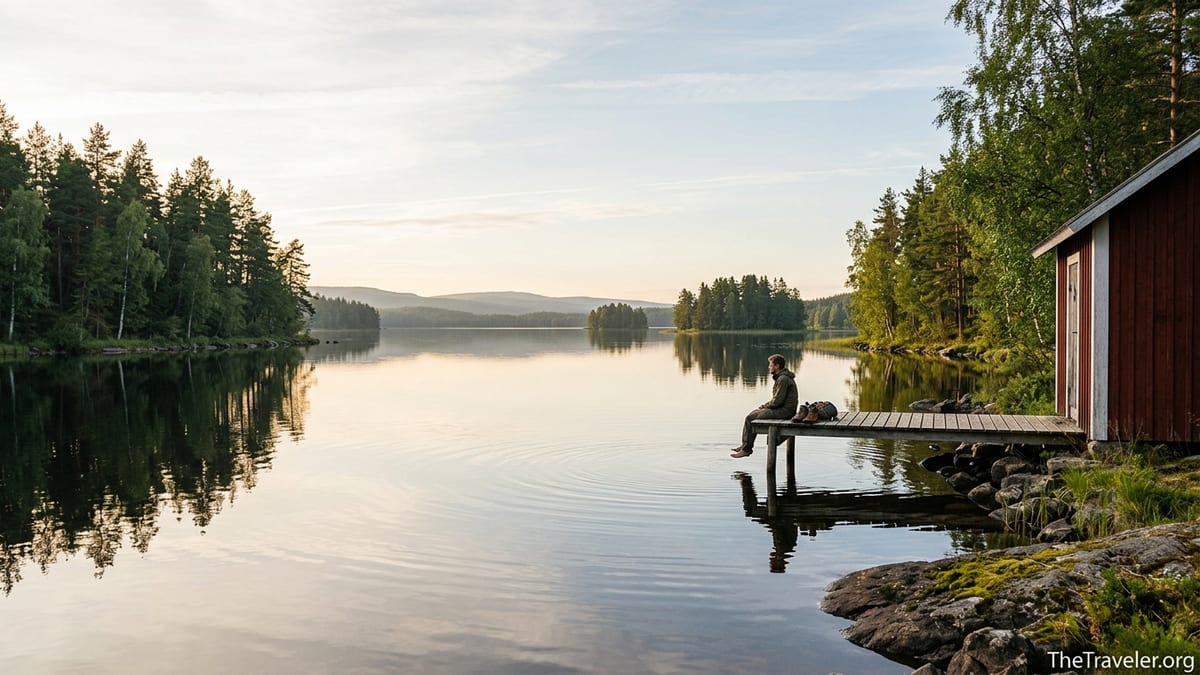
From City Break to Countrywide Journey
Most international visitors still land in Stockholm, Gothenburg or Malmö, but what makes Sweden stand out is how easy it is to turn a classic city break into a countrywide journey. The long, slender shape of the country means landscapes change dramatically as you move: oak forests and sandy beaches in Skåne, glassy lakes and red cottages in Småland, high fells and tundra in Lapland. High-speed and regional trains connect major hubs with smaller cities like Östersund, Kiruna and Umeå, while frequent ferries radiate out to island communities in the archipelagos. In practice, this means you can spend two nights in Stockholm’s Old Town, then be hiking between car-free islands in the Stockholm Archipelago 90 minutes later, or boarding an overnight sleeper to the far north the same evening.
The country’s night trains are a powerful tool for travelers who want more than an urban snapshot. Companies such as SJ and Snälltåget run sleeper services from southern cities to destinations like Åre, Duved and Kiruna during much of the year, with seasonal summer services pushing all the way up toward the far north. A traveler can leave Stockholm in the evening, sleep in a simple couchette or private compartment, and wake up among mountains or deep forests ready to hike, kayak or ski. It turns Sweden into a place where a long weekend can realistically include both city art galleries and a hushed breakfast beside a lake. You are not stuck in a single urban bubble.
Within regions, local infrastructure also supports curiosity. In West Sweden, for example, buses and regional trains make it feasible to base yourself in Gothenburg but day-trip to the granite coastline of Bohuslän, the island of Marstrand or the inland plateau of Kinnekulle without renting a car. In Småland, simple rural bus routes and signposted cycling trails link small towns to nature reserves and lakes, encouraging visitors to keep going rather than stop at the first postcard-pretty town.
The Freedom to Roam: Sweden’s Quiet Superpower
If there is one concept that explains why Sweden keeps winning over outdoors-oriented travelers, it is Allemansrätten, the Right of Public Access. Enshrined in Sweden’s constitution, this long-standing principle gives everyone the freedom to move through most of the countryside and enjoy nature, as long as they do not disturb or destroy. In practical terms, it allows you to walk, cycle or ski across forests and meadows, paddle along shorelines, pick wild berries and mushrooms, and, in many cases, pitch a small tent for a night on uncultivated land. Travelers who come from countries where land is heavily privatized often describe a sense of near disbelief at being able to step off a minor gravel road and find an evening camp spot without formalities or paperwork.
The Right of Public Access does have limits and responsibilities. You cannot camp next to someone’s house, tread over growing crops or break branches for firewood, and there are stricter rules in national parks and some nature reserves. Yet for a hiker following a marked trail near Lake Vänern or a family cycling between lakes in Dalarna, the experience is one of easy access, not restriction. Signboards at trailheads and brochures from regional tourism boards explain the basic rule of “do not disturb, do not destroy,” but they also actively invite visitors to enjoy the landscape. For travelers used to “no trespassing” signs, this attitude alone can transform a trip from a sightseeing tour into a more personal relationship with the countryside.
This freedom is not theoretical. On a summer evening near the small town of Nora, you might see a family grilling sausages by a public fire ring on the lake shore while a couple of visiting hikers quietly set up a small tent a discreet distance away for the night. On a winter day in Värmland, locals cross-country ski across frozen marshes and forest tracks, taking for granted the access that Allemansrätten provides, and visitors quickly realize they are welcome to follow.
Nature First: National Parks, Islands and Wild Waters
Sweden’s landscape is not just green wallpaper; it is carefully structured for low-impact exploration. The country now has more than thirty national parks, from the high peaks of Abisko and Sarek in Lapland to the bog landscapes of Store Mosse in southern Sweden and the island-dotted waters of Haparanda Skärgård in the far north of the Bothnian Bay. These parks often combine waymarked hiking routes, simple wind shelters or cabins, and information boards that explain geology, flora and fauna. For travelers, this means you can step into relatively wild settings with enough infrastructure to feel safe, but without the heavy commercial footprint found in some other European destinations.
Sweden’s islands are a major part of the appeal for travelers seeking more than city life. The Stockholm Archipelago alone includes thousands of islands and skerries, with passenger boats connecting many of them to the capital. In 2024, the Stockholm Archipelago Trail was launched, a network of hiking paths that stretch roughly 270 kilometers across some 20 islands. The trail has been highlighted by international travel magazines for its combination of car-free island life, wooden saunas, and the chance to stay in everything from simple hostels to architect-designed cabins. A traveler might walk the cliffs of Ingarö one day, sleep in a converted pilot’s cottage on another island the next, and finish the week with a sea-kayak excursion around silent skerries where only seabirds break the surface.
Elsewhere, coastal and lake islands bring the same layered experience. In West Sweden, archipelago national parks like Kosterhavet offer marine reserves with snorkel trails and ferry-linked islands where you can combine seafood restaurants with hikes over smooth, sea-sculpted rock. Inland, national parks such as Djurö in Lake Vänern consist of entire small archipelagos, giving canoeists and sailors access to near-deserted beaches and pine-covered islets. For many travelers, the real luxury in these places is not a five-star hotel but the rare feeling of space: swimming at sunset with no other swimmers in sight or hearing only the creak of your paddle and the calls of terns as you move between islands.
Slow Travel: Trains, Bikes and Human-Paced Adventures
While Sweden is a large country by European standards, it is surprisingly straightforward to explore at a slower, human pace. The main trunk rail lines link the big cities, but they also serve smaller hubs like Sundsvall and Boden, where regional connections fan out to rural areas. Long-distance night trains mean you can cover serious distances while you sleep, then step into mountain towns like Åre or Abisko with nearly a full day ahead of you. For travelers who want to avoid internal flights, this is a major draw. It also dovetails neatly with Sweden’s environmental ambitions and the growing desire among visitors to reduce their footprint.
Cycling is another way Sweden keeps people moving beyond the city break template. Long-distance, signposted routes like Kattegattleden along the west coast and Sydkustleden in Skåne allow cyclists to link coastal villages, beaches, and small towns over several days. Prices for bike rental vary, but a traveler can expect to pay roughly the cost of a mid-range restaurant meal per day for a decent touring bike, slightly more for e-bikes, with panniers and helmets often included. Along the way, basic campsites, rural guesthouses, and farm B&Bs provide overnight options, many with shared kitchens that keep costs down and encourage longer stays.
Even without committing to a full cycling trip, smaller-scale active options are easy to slot into an itinerary. In summer, Stockholmers routinely take a commuter train to a regional nature reserve like Tyresta and spend the day on forest trails before returning to the city for dinner. Visitors can do the same. In winter, hire centers near cross-country ski tracks in places such as Dalarna, Jämtland or even city-adjacent areas like Hellasgården near Stockholm rent skis for fees that are often comparable to a cinema ticket in Western Europe. These modest costs lower the barrier for trying out local ways of being outdoors, making nature feel like an everyday experience instead of an expensive, once-in-a-lifetime excursion.
Beyond Minimalism: Culture, Food and Everyday Swedish Life
Sweden’s pull goes beyond lakes and pine forests. Travelers who come for the calm often find themselves drawn into everyday cultural rituals that are low-key yet distinctive. The most famous of these is fika, the daily coffee-and-pastry pause that Swedes take seriously. In practice, this means that even in a small town, a traveler can duck into a bakery on a rainy afternoon and sit among locals chatting over cinnamon buns and strong coffee, warming up after a morning walk. It is a simple, repeated moment that adds depth to a nature-focused trip and breaks any sense of outdoor isolation.
Food culture is increasingly tied to place. In coastal regions, travelers can book spots at casual “seafood shacks” in Bohuslän where the daily menu depends on what local boats have landed, or join mussel safaris by boat before eating a pot of mussels cooked on the rocks. In forested regions, autumn is associated with mushroom and berry picking, often guided by local experts who help visitors identify chanterelles, lingonberries and blueberries safely. Many rural restaurants and farm shops in regions like Småland or Värmland offer menus that emphasize local game, dairy and vegetables, sometimes at prices that feel reasonable compared with big-city fine dining. This link between plate and landscape helps travelers understand that they are moving through a living countryside rather than a scenic backdrop.
Cultural experiences also extend into the calendar. Midsummer celebrations in villages around Dalarna, for example, invite visitors to join in raising flower-decked maypoles and dancing in meadows, something that feels both deeply traditional and spontaneously joyful. In the north, Sámi culture shapes many travel experiences, from storytelling evenings in reindeer camps to handicraft workshops in small towns. These interactions, when thoughtfully arranged and led by local communities, can turn a nature trip into a richer journey through living cultures, not just landscapes.
Space, Sustainability and the Luxury of “Not Much Happening”
One of the reasons Sweden resonates with travelers who have already ticked off the big capitals of Europe is that it offers a counterpoint to crowded itineraries. Outside high-season hotspots, you may find yourself on a trail where you meet only a handful of other walkers all day. Lakes that appear in tourism brochures still often have quiet corners where you can swim alone. Small guesthouses on islands in the Stockholm Archipelago or in forested regions of Västergötland may host just a few guests at a time, encouraging unhurried breakfasts and long conversations with owners rather than rushed check-outs.
This sense of space is closely connected to Sweden’s emphasis on sustainability. National and regional tourism organizations promote longer stays, public transport, and low-impact activities like hiking and cycling instead of high-frequency short breaks by air. Campaigns positioning Sweden as a place of “a different kind of luxury” highlight the value of silence, clean air and time, rather than marble lobbies or shopping sprees. Travelers who are increasingly wary of overtourism often find this message credible when they arrive and discover that many Swedes themselves vacation in simple cabins, swim in local lakes and use public buses to reach trailheads.
For visitors used to an intense checklist approach to travel, the Swedish version of luxury can take some adjustment. A rainy day in a lakeside cottage without major sights within walking distance might initially feel like a lost opportunity. Yet many repeat visitors talk about such days as highlights: reading on a wooden veranda while showers sweep across the water, taking brief walks between showers, then grilling outside when the sky clears late in the evening. The absence of programmed entertainment leaves space for rest, reflection and genuine connection with the landscape and the people you are traveling with.
The Takeaway
Sweden keeps attracting travelers who want more than a quick city escape because it offers a rare blend of freedom, infrastructure and subtle culture. The Right of Public Access gives you permission to move through forests, islands and lakes with unusual ease, while a dense network of trains, regional buses and boats makes it practical to act on that freedom. National parks and nature reserves are run to protect ecosystems first, yet still welcome visitors with trails and simple facilities, from wind shelters to marked canoe routes.
At the same time, everyday Swedish life remains present: coffee breaks in small bakeries, lakeside saunas in villages, Midsummer dances in local fields, and Sámi-led experiences in the north. Sweden is not only somewhere you look at; it is somewhere you inhabit, often at a slower, more spacious pace than at home. For travelers tired of squeezing one more museum into a weekend, Sweden invites a different question: not “how much can I see,” but “how deeply can I be here.” That shift, more than any single attraction, is why so many visitors find themselves planning a second, longer, and usually more rural trip before they have even flown home.
FAQ
Q1. Can I really camp almost anywhere in Sweden?
In much of the countryside you can pitch a small tent for a night under the Right of Public Access, as long as you avoid private gardens, crops and signed restrictions, and leave no trace when you go.
Q2. Do I need a car to explore Sweden beyond the cities?
No. Trains, night trains, regional buses and archipelago boats make it realistic to combine cities with national parks, islands and smaller towns without renting a car.
Q3. When is the best time to visit Sweden for nature experiences?
May to September offer long days, hiking, cycling and swimming, while December to March are best for winter activities like cross-country skiing, dog sledding and chances to see the northern lights in the far north.
Q4. Is Sweden very expensive for outdoor travel?
Sweden can feel pricey in cities, but using public transport, staying in simple cabins, hostels or campsites, self-catering some meals and enjoying free nature access can keep costs manageable.
Q5. How safe is it to hike and camp in Sweden as a solo traveler?
Sweden is generally considered safe, with well-marked trails in popular areas and a strong outdoor culture. As always, check weather forecasts, tell someone your plans and carry basic navigation tools.
Q6. Do I need special permits to visit national parks?
Most national parks are free to enter and do not require permits for regular hiking, but some sensitive areas have seasonal restrictions and commercial tours may need special permissions.
Q7. Can I swim anywhere in Sweden’s lakes and the sea?
In practice you can swim in most lakes and along much of the coastline, provided you respect private property, follow local safety advice and avoid areas with specific prohibitions.
Q8. How do I reach the Swedish Lapland region without flying?
You can take daytime trains or night trains from cities like Stockholm or Gothenburg to northern hubs such as Kiruna, Gällivare or Luleå, then connect by bus to smaller communities.
Q9. Is it possible to experience Sámi culture respectfully as a visitor?
Yes. Look for Sámi-owned or Sámi-led tours and cultural centers that share reindeer herding traditions, handicrafts and stories in a way that benefits local communities.
Q10. What should I pack for a nature-focused trip to Sweden?
Bring layered clothing, waterproof jacket, sturdy walking shoes, a refillable water bottle, insect repellent in summer, and warmer base layers, hat and gloves for shoulder seasons and winter.