


Sweden is one of Europe’s rare destinations where you can wake up in a medieval old town, spend the afternoon hiking through quiet forest, and watch the sunset from a rocky island in the Baltic Sea. Planning a trip that combines cities, nature, islands and cultural experiences is very achievable here, as long as you understand the country’s seasons, distances, and costs. This guide walks you through how to design a balanced Sweden itinerary with concrete examples, so you can move confidently from Stockholm’s cobblestones to Lapland’s pine forests and out into the island-dotted sea.
Get the latest updates straight to your inbox!
Choosing the Best Time of Year for a Mixed Sweden Itinerary
Sweden’s long, dark winters and luminous summers create very different travel experiences. For a trip that combines cities, nature, islands and culture, the sweet spot for most visitors is late May to mid‑September. In Stockholm and Gothenburg, café terraces and outdoor bars are in full swing, hiking trails are snow free, and archipelago ferries run dense summer timetables so you can easily reach islands like Vaxholm, Grinda or Sandhamn from central Stockholm in one to three hours by boat. In the north, around Kiruna or Abisko, mountain hiking season typically runs from about early July to mid‑September, when national park trails and mountain huts are staffed and accessible.
Spring and autumn can work very well if culture is the priority and you only want a taste of nature. In April and October hotel prices in Stockholm, Malmö and Gothenburg are often a little softer than in July, and big museums like the Vasa Museum, Skansen open‑air museum, and Gothenburg’s Universeum are open year‑round. However, many smaller island guesthouses and seasonal archipelago restaurants close from roughly late September to late May, and ferry schedules thin out. If visiting islands is central to your plan, check current timetables and opening dates before committing to shoulder‑season travel.
Winter delivers a completely different Sweden: Stockholm’s Gamla Stan decorated with Christmas lights, frozen lakes in Dalarna, and northern towns such as Kiruna or Jokkmokk turning into bases for dog sledding and aurora watching. This can still be a city‑and‑nature trip, but islands will mostly be quiet and in some cases inaccessible due to ice. For many visitors, the best solution is to do an all‑season friendly city and culture trip in winter, then return another year in summer for a longer archipelago and hiking focus.
When planning, remember that daylight varies dramatically. In Stockholm in late June you may have over 18 hours of usable light, which makes it easy to squeeze in a morning museum visit, an afternoon island trip and a late outdoor dinner. In November, by contrast, you can expect daylight from roughly 8:30 to 15:00, so short days will limit how much nature and island time you can realistically fit into each day.
Shaping Your Route: Classic City and Nature Combinations
Most first‑time visitors fly into Stockholm Arlanda Airport, which makes Sweden’s capital the natural starting point. A classic one‑week route that balances city life, forest and islands is three nights in Stockholm, two in a nearby nature region like Dalarna or Sörmland, and two nights in either the Stockholm archipelago or the west coast around Gothenburg. With ten to fourteen days you can stretch this to include both coasts or add a short foray to Swedish Lapland for more remote wilderness.
For an easy nature add‑on from Stockholm, many travelers choose Dalarna, about three to four hours by train or bus. Staying near Lake Siljan, in towns like Rättvik or Tällberg, puts you among red wooden farmhouses, lakeside walking paths and traditional midsummer celebrations in June. Another option is Sörmland, south of Stockholm, where small towns such as Trosa or Mariefred offer manor houses, lakes, and castle visits like Gripsholm, combined with forest trails you can reach by local buses and regional trains. Both regions give a gentle introduction to Swedish countryside without requiring a rental car.
If you want a second city with a very different maritime feel, Gothenburg on the west coast is a strong choice. Fast trains from Stockholm to Gothenburg take around three hours, and from the city’s center tram and boat connections fan out to the Southern Gothenburg Archipelago. On a typical summer day you might spend the morning riding the tram‑plus‑ferry out to car‑free islands like Styrsö or Vrångö, swim and walk on smooth granite rocks, then head back for an evening at a seafood bistro in the Linnéstaden neighborhood. This neatly complements Stockholm’s mix of royal palaces, inner‑city islands and Baltic archipelago.
For travelers with at least ten days and a strong interest in wild nature, adding a northern leg makes sense. An overnight train from Stockholm to Kiruna or Abisko lets you wake up above the Arctic Circle. In summer, visitors hike in Abisko National Park or on short sections of the Kungsleden long‑distance trail. In winter they may stay in glass‑roofed cabins or lodges around Abisko or Jukkasjärvi and join guided aurora tours. This adds significant distance, so it works best if you trim time elsewhere instead of trying to fit both coasts and Lapland into a single short trip.
Experiencing Sweden’s Cities: Stockholm, Gothenburg and Malmö
Stockholm is a city built on islands, so you can start your nature and island experience without leaving the urban area. Many visitors base themselves in Norrmalm or Södermalm, areas with straightforward metro access and plenty of mid‑range hotels in the 1,800 to 2,400 SEK per night range for a double room in summer. A typical first day might include a walking tour of Gamla Stan’s narrow lanes and the Royal Palace in the morning, a ferry ride to Djurgården for the Vasa Museum and the open‑air museum Skansen in the afternoon, and then sunset on a cliff‑top viewpoint at Skinnarviksberget or Monteliusvägen overlooking the water and city skyline.
Gothenburg has a more compact, understated feel and is known for its cafe culture and seafood. The Haga district, with its wooden houses and cobbled streets, is an atmospheric area to stroll and sample giant cinnamon buns at local cafes. Culture travelers often combine the Gothenburg Museum of Art or the Maritime Museum with an archipelago excursion: local ferries and trams included in the city’s public transport system can carry you to islands like Brännö for an afternoon of walking between old pilot houses, small harbors and swimming jetties. This seamless city‑to‑island connection makes Gothenburg ideal for travelers who are short on time but want both urban and coastal experiences.
Farther south, Malmö offers a different perspective again, influenced by its proximity to Denmark and the Öresund Bridge that links it to Copenhagen. Visitors usually base themselves near the central station to be within walking distance of the Old Town squares, the modern Western Harbor area with views of the bridge, and the contemporary art museum Moderna Museet Malmö. From Malmö, day trips into the agricultural landscapes of Skåne to visit castles, farm shops and beaches at places like Ystad or the Österlen coast give a softer, rolling‑fields version of Swedish nature compared with the rocky archipelagos further north.
Whichever cities you choose, try to build your days around a rhythm that combines built‑up and green spaces: for example, a museum in the morning, a city park or forest walk in the afternoon, and an evening in a lively neighborhood. Stockholm’s Royal National City Park, which stretches over several islands, lets you follow forested trails and watch deer within sight of apartments and offices. In Gothenburg, the Slottsskogen park and nearby Änggårdsbergen nature reserve give a similar mix of wild feeling and easy access by tram.
Planning Your Island Time: Archipelagos East and West
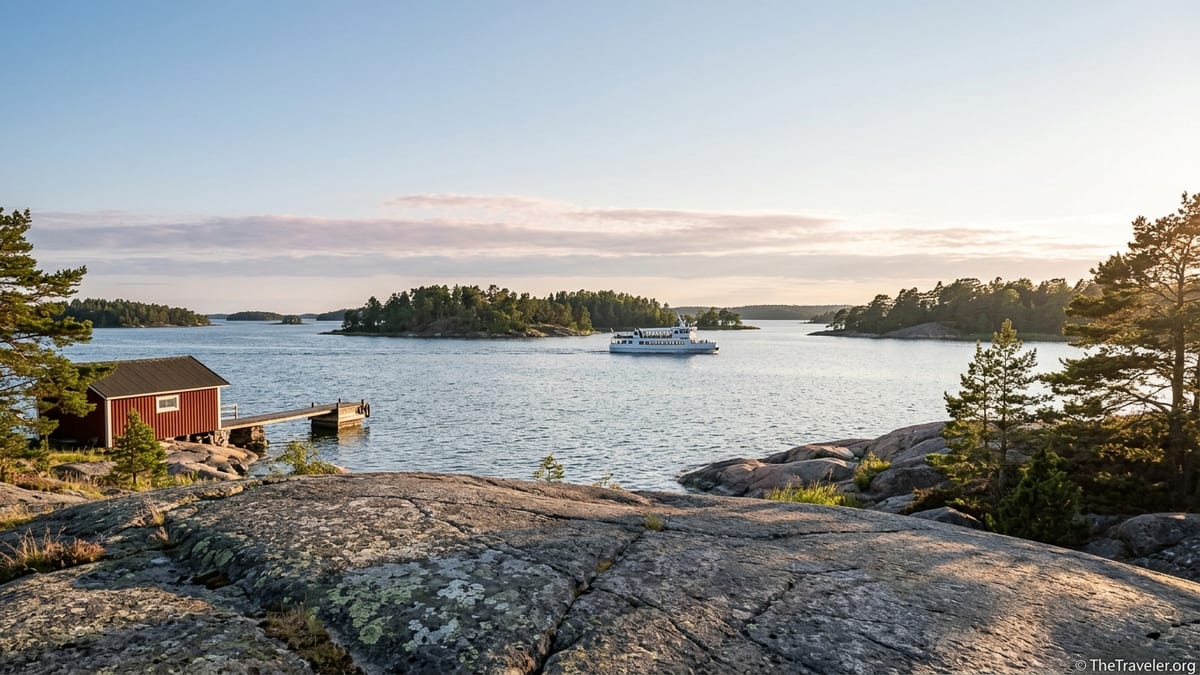
Sweden’s archipelagos are where many travelers fall in love with the country. The Stockholm archipelago, starting just 20 to 30 minutes by boat from central Stockholm, is the most famous. Visitor‑friendly islands like Fjäderholmarna, Vaxholm, Grinda and Sandhamn are popular entry points. For example, you might take a 25‑minute ferry to Fjäderholmarna for a half‑day of craft shops, seaside restaurants and short shoreline paths. A longer day trip to Vaxholm, about an hour by boat, gives time to wander its wooden houses, visit the coastal fortress on a small islet, and enjoy a late lunch at a waterside cafe before sailing back past summer cottages and pine‑covered islets.
With more time, you can head farther out. Grinda, around 1.5 to 2 hours by boat, offers a mix of forest walks, meadows with grazing sheep and smooth cliffs for swimming, plus a couple of restaurants and a guesthouse open in season. Sandhamn, roughly 2.5 to 3 hours from Stockholm depending on the service, feels like a classic outer‑archipelago village, with white‑sand beaches like Trouville on the ocean‑facing side and a harbor filled with sailing boats in July. If you prefer quieter islands with fewer facilities, places such as Gällnö or Möja in the Stockholm archipelago, or Styrsö and Vrångö in the Southern Gothenburg Archipelago, provide more low‑key walking paths and coves but still have at least basic accommodation and dining in summer.
On the west coast, the islands off Gothenburg are praised for their car‑free lanes and smooth granite rocks. From the city center, you can take a tram followed by a short ferry ride to islands like Donsö or Vrångö using a regular public transport ticket. Many visitors spend a long afternoon walking from fishing harbors to bathing spots and stopping at cafes that serve shrimp sandwiches or fish soup. Further north along the Bohuslän coast, islands such as Marstrand, Smögen or the Weather Islands are popular with Swedes for summer holidays, though reaching them typically requires buses or a rental car combined with short local ferries.
For travelers who enjoy hiking, new initiatives have linked several archipelago islands into multi‑day walking routes in the Stockholm region, connecting ferry piers with forest trails and coastal paths. If you would like to string together a few islands over two or three days, look for guesthouses or cabins on islands like Svartsö, Utö or Östra Lagnö and plan your ferries so that you have at least one full afternoon per island. In high season ferries can be busy, so arriving at the pier early and avoiding the busiest commuter departures helps keep the experience relaxed.
Immersing Yourself in Swedish Nature and Culture
Sweden’s outdoor access tradition, known as allemansrätten, gives everyone the right to roam responsibly in nature. This means that as a visitor you can usually walk, cycle or paddle across fields and forests, and even camp for a night on uncultivated land, as long as you stay away from private houses, do not disturb wildlife and pack out all rubbish. In practice, many travelers experience this on marked trails near cities. Around Stockholm, for example, you might take the metro to Nacka nature reserve or Tyresta National Park, where loop trails lead through old‑growth forest and around small lakes, and public fire pits are often stocked with wood for simple barbecues.
Cultural experiences often appear in everyday moments rather than staged shows. Joining locals for a fika, the Swedish coffee break, in an independent cafe can be as revealing as visiting a museum. In Stockholm’s Södermalm district, for instance, you might sit at a neighborhood cafe with a cinnamon bun and watch parents with prams and people heading home by bike in the early evening sun. In Dalarna, attending a village midsummer celebration with traditional pole raising, folk costume and dancing gives a more formal expression of Swedish culture. In cities, design shops selling glass, ceramics and textiles from brands such as Svenskt Tenn or smaller local studios also reflect Sweden’s emphasis on craft and function.
History and culture merge at attractions such as Skansen open‑air museum in Stockholm or Kulturen in Lund, where historic buildings from across Sweden have been relocated and furnished to show how people lived in different regions and centuries. On the island of Djurgården, Skansen adds farm animals, folk dance demonstrations and seasonal markets, making it a good place to understand rural traditions without leaving the capital. In Gothenburg, boat and ship museums, together with harbor tours, explain the city’s maritime history and the importance of the west coast fishing industry.
For many travelers, a highlight is staying overnight in a rural or island guesthouse rather than a large hotel. On islands like Utö or Möja, guest harbors often have small inns or cabins where you can fall asleep to the sound of waves and wake up to breakfast on a wooden deck. In the countryside around Lake Siljan or in Skåne, farm stays and small bed‑and‑breakfasts give opportunities to chat with owners about local life, from moose sightings in the forest to how they manage winter snow. Booking such places several months in advance is wise for travel in July and early August, when Swedes themselves are on holiday.
Budgeting and Practical Logistics
Sweden is not a budget destination by global standards, but careful planning can keep costs under control. In 2025 and 2026, centrally located mid‑range hotel rooms in Stockholm, Gothenburg or Malmö typically range from around 1,500 to 2,500 SEK per night for a double in summer, with higher prices during major events. Simple guesthouse rooms or cabins in the archipelago or countryside might fall between 900 and 1,600 SEK per night, depending on location, facilities and whether breakfast is included. Booking early, especially for July and early August, gives you a better chance of finding mid‑range prices in well‑located properties.
For food, a casual lunch in a city cafe, such as a soup and bread or a salad, might cost around 120 to 180 SEK, while a sit‑down main course in a mid‑range restaurant could range from about 180 to 300 SEK. In rural areas and on islands with limited competition, prices sometimes run slightly higher. Many visitors balance restaurant meals with supermarket picnics; Swedish supermarket chains sell good quality bread, cheese, smoked salmon, prepared salads and hot takeaway dishes that can reduce a day’s food budget significantly. Since tap water is safe and of high quality everywhere, carrying a refillable bottle avoids the need to buy drinks repeatedly.
Public transport between major cities is reliable and usually the best way to travel for visitors. High‑speed and intercity trains link Stockholm with Gothenburg in around three hours and with Malmö in about four and a half, while regional trains and buses connect to smaller towns. Booking advance tickets on the main rail operator’s website can yield lower fares than buying on the day. Within cities, contactless bank cards increasingly work on buses, trains and trams, and visitors can also buy period passes covering several days. In Stockholm, day or multi‑day travelcards often include some ferry routes in the inner archipelago, which helps reduce the cost of island hopping.
Ferry prices vary by distance and operator, but as a rough reference a same‑day round trip from Stockholm to postcard‑pretty islands like Vaxholm or Grinda might cost in the region of 200 to 400 SEK per adult, depending on season and boat type. Longer routes to outer islands like Sandhamn can cost more. Planning two or three well‑chosen island days rather than many short boat rides keeps both time and costs in check. If you are traveling as a family or with friends, checking whether family or off‑peak discounts are available on trains and ferries can also make a noticeable difference to your budget.
Entry Requirements, Safety and Responsible Travel
Sweden is part of the Schengen area, so entry rules depend on your nationality and where you have been recently. Citizens of the European Union and several other countries can usually visit visa‑free for short stays, while many other nationalities need to apply for a Schengen visa in advance. Processing times can fluctuate, so it is wise to check current guidance from Swedish authorities and schedule any visa appointment several weeks or months before travel, especially for a summer visit. New European border systems are being phased in gradually, so if you are a non‑EU traveler planning a trip in late 2025 or 2026, look up the latest information before booking non‑refundable tickets.
Once in Sweden, most visitors find the country feels safe and orderly. Petty theft can occur in crowded urban spots, especially around central stations and major events, but violent crime against tourists is uncommon. Standard precautions, such as keeping valuables in a zippered bag, avoiding very quiet parks late at night and watching your belongings on public transport, are generally sufficient. In nature, the main risks are practical: getting lost on unmarked forest paths, underestimating how quickly weather can change along the coast or in the mountains, or misjudging swimming conditions around rocks and jetties.
Travelers are increasingly encouraged to consider environmental impact and respect for local communities. In practice this means favoring public transport over rental cars where possible, staying on marked trails in sensitive coastal and forest areas, and avoiding loud behavior in small island villages where sound carries across the water. In the archipelagos and along lakeshores, many spots have dry toilets and marked fire pits; using these instead of improvising your own campsites helps protect both vegetation and the experience for future visitors. Buying local products, whether smoked fish in a harbor smokehouse or handicrafts from a small workshop, also supports year‑round communities that keep islands and rural regions alive beyond the summer peak.
Medical care in Sweden is of high quality, but costs for non‑EU visitors without coverage can be significant, so comprehensive travel insurance remains advisable. Pharmacies in cities and larger towns are well stocked, but if you have specific medication needs it is safer to bring enough for your whole trip, since brand names may differ. In remote areas, especially in the north, distances to the nearest clinic can be long, so simple steps such as carrying a charged phone, a paper map or offline map, and basic first aid supplies are worthwhile when hiking.
The Takeaway
Designing a Sweden trip that genuinely combines cities, nature, islands and culture is less about racing between famous sights and more about choosing a few well‑connected regions and giving each enough time. A thoughtful itinerary might link Stockholm’s museums and waterfront promenade with a couple of days on nearby islands, add either Dalarna’s lakes or Skåne’s farmland as a countryside counterpoint, and then finish on the granite shores of the west coast or under the big skies of the far north. Along the way, everyday rituals like fika, summer evening swims from a wooden jetty, or a conversation with a guesthouse owner can become as memorable as any landmark.
With realistic expectations about costs, an understanding of the seasons, and some practical knowledge of how ferries, trains and public access to nature work, you can move confidently from cobblestones to forest trails and out among the islands. Whether you are watching the sun glitter off Stockholm’s harbor, following a pine‑scented path to a Baltic swimming rock, or listening to fiddle music at a midsummer celebration, Sweden rewards travelers who slow down, look around and let city streets, wild landscapes and island harbors tell their stories in their own time.
FAQ
Q1. How many days do I need in Sweden to combine cities, nature and islands?
For a first trip, 7 to 10 days is a comfortable minimum. With one week you could spend three nights in Stockholm, two in nearby countryside such as Dalarna or Sörmland, and two nights on a Stockholm or Gothenburg archipelago island. With 10 to 14 days you can add a second city like Gothenburg or Malmö or include a short visit to Swedish Lapland for wilder landscapes.
Q2. Is Sweden too expensive for a moderate budget trip?
Sweden is pricey compared with many destinations, but a moderate budget is realistic if you plan carefully. Expect mid‑range hotel doubles in major cities to cost roughly 1,500 to 2,500 SEK per night in summer, with simpler guesthouses or cabins in countryside and islands sometimes a bit less. Using public transport, mixing restaurant meals with supermarket picnics, and limiting paid activities to a few key experiences help keep overall costs under control.
Q3. Do I need to rent a car to see nature and islands?
You can see a lot without a car. Trains and buses connect Stockholm with regions like Dalarna and Sörmland, and local public transport reaches many trailheads and lakes. Around Stockholm and Gothenburg, public ferries and excursion boats serve numerous islands, from easy half‑day trips to full‑day journeys. A rental car becomes most useful if you want to explore more remote west coast islands, small inland villages, or less visited regions where bus timetables are sparse.
Q4. Which Swedish city is best as a base for island trips?
Stockholm and Gothenburg are both strong bases. From central Stockholm, boats reach inner archipelago islands like Fjäderholmarna in about 25 minutes and classic day‑trip islands such as Vaxholm or Grinda in one to two hours. From Gothenburg, a combination of tram and short public ferry rides takes you to car‑free islands like Styrsö or Vrångö, often within an hour from the city center. Which is better depends on whether you prefer the Baltic archipelago feel of Stockholm or the granite west coast atmosphere near Gothenburg.
Q5. When is the best time to visit Sweden for both cities and outdoor activities?
Late May to mid‑September suits most travelers who want a balance of city life, hiking, and island time. In June and July, days are long, many seasonal cafes and guesthouses on the islands are open, and ferries run frequent schedules. Spring and autumn offer fewer crowds and slightly lower accommodation prices, but some island services and rural businesses may be closed or limited, especially outside school holidays.
Q6. How should I dress for a trip that mixes cities, forests and islands?
Layering is key. Even in summer, temperatures can shift quickly, especially on boats and along the coast. Pack a light waterproof jacket, a warm sweater or fleece, comfortable walking shoes suitable for cobblestones and forest trails, and a hat or light beanie for cooler evenings. In cities, casual clothing is the norm, so the same outfits you wear in Stockholm’s cafes will usually work fine for a forest walk or a visit to an island, as long as your shoes have decent grip.
Q7. Can I swim in Sweden’s lakes and around the islands?
Yes, swimming is a big part of Swedish summer culture. Lakes across the country usually have designated bathing spots with jetties or small sandy beaches, and the archipelagos are full of smooth rocks where people sunbathe and dip into the Baltic. Water temperatures in high summer are often cool but pleasant enough for short swims. Always check local signs, avoid diving into unknown depths, and be cautious around boat traffic, especially in busy harbor areas.
Q8. How easy is it to find vegetarian or vegan food outside big cities?
In Stockholm, Gothenburg and Malmö, vegetarian and vegan options are widely available in cafes and restaurants. Outside major cities, choice can be more limited but is steadily improving. Many regular menus include at least one vegetarian main, and supermarkets almost everywhere stock plant‑based milk, meat substitutes and fresh produce. If you have strict dietary needs, it is wise to carry some snacks and learn a few key Swedish food terms to read menus and ingredient lists more easily.
Q9. Is English widely spoken in Sweden’s smaller towns and islands?
Yes, English is widely spoken across Sweden, not just in large cities. In smaller towns and on popular tourist islands, staff in hotels, restaurants and ferry companies almost always speak good English, and many information boards and menus are bilingual. You may occasionally encounter older residents with limited English, but a few Swedish phrases, patience and gestures usually bridge any gaps quickly.
Q10. How far in advance should I book accommodation and ferries?
For travel in July and early August, it is sensible to book city hotels, archipelago guesthouses and popular countryside stays several months in advance, especially if you want specific islands or sea‑view rooms. In shoulder seasons, you often have more flexibility. For ferries, short routes near major cities can often be decided closer to the day, but for longer archipelago journeys and boats with limited seats it is safer to reserve once you know your dates, particularly on weekends and public holidays.