


Spreading the cost of a big trip over several weeks or months has never been easier. Buy now, pay later services like Zip and Affirm are now woven into flight search engines, hotel sites and major online travel agencies. Yet the details matter. Fees, interest, where you can book and how claims or cancellations work can vary a lot between providers. If you are deciding between Zip and Affirm for your next getaway, understanding those differences before you click “pay” can help you avoid surprises later.
Get the latest updates straight to your inbox!
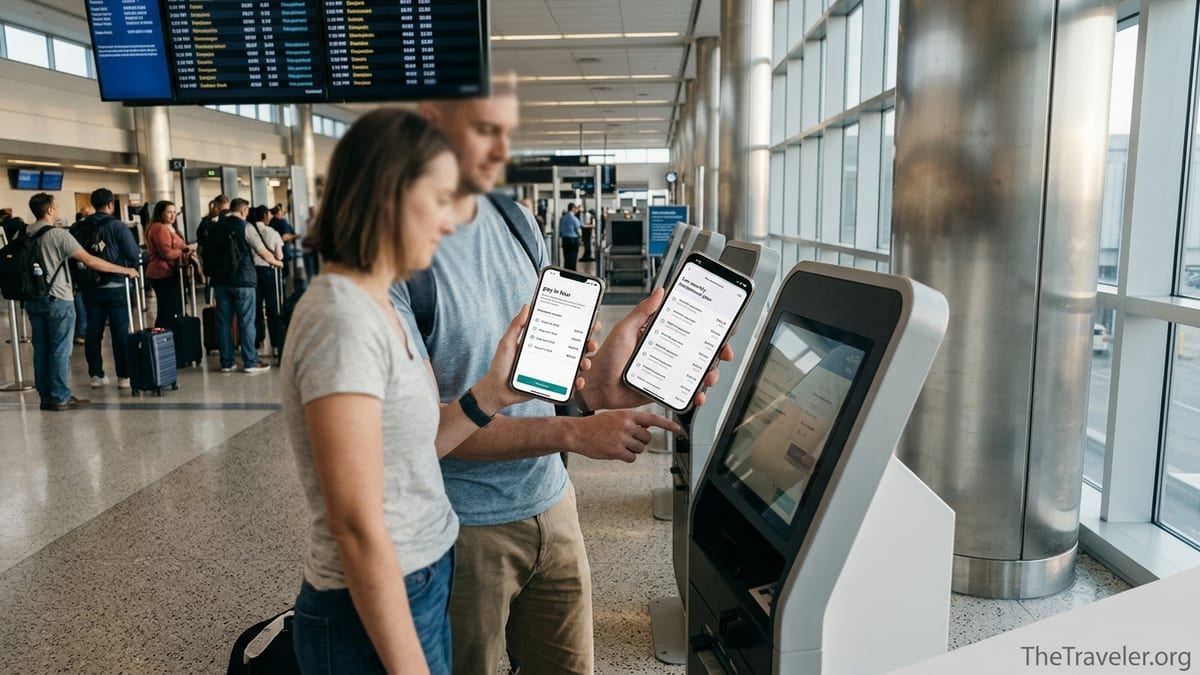
Zip vs Affirm for Travel: How Each Service Works
Both Zip and Affirm fall under the broad category of buy now, pay later, but they operate differently in practice. Zip focuses heavily on short term installment plans. In the United States, its core product is often a pay in 4 schedule, splitting a purchase into four biweekly payments over roughly six weeks, sometimes with a flat per purchase fee. That setup is well suited to modest trips such as a long weekend flight from Dallas to Denver that costs a few hundred dollars.
Affirm, by contrast, is better known for its longer term installment loans. Depending on the merchant and your credit profile, you may see offers that stretch from three to 36 months, sometimes with 0 percent promotional interest, but often with interest charges when you choose a longer payoff window. That makes Affirm a more natural fit when you are booking a higher priced trip, for example a 2,000 dollar family vacation package to Orlando that you prefer to pay off over a year.
Functionally, both services can be used in two main ways for travel. First, travel brands may integrate them directly at checkout, so you simply choose “Pay with Zip” or “Pay with Affirm” when you are buying flights or a hotel. Second, both offer virtual card options in their apps that let you create a single use card number, then pay over time even at sites that do not natively list them as payment methods. The virtual card behaves like a regular Visa or Mastercard at checkout, though you must remember that it is tied to a loan.
Where they differ most is how commonly they appear during the booking process and how flexible their payoff structures are. For many travelers, the real question is whether Zip’s simpler, shorter schedule or Affirm’s wider range of loan lengths and amounts fit the kind of trip they are planning.
Where You Can Actually Use Zip and Affirm for Travel
In real life, your choice often starts with where you like to book. Zip has aggressively marketed buy now, pay later flights and showcases airlines and travel agencies where its payment option is available. Travelers in the United States can use Zip to split payments at large online travel agencies and flight sellers, including well known names such as Priceline, Expedia, Booking.com Flights, Alternative Airlines and several major carriers and hotel brands that accept cards issued through Zip’s app. If the checkout accepts Visa and does not block buy now, pay later virtual cards, you can usually complete a booking with Zip.
Affirm, on the other hand, has carved out deeper partnerships with specific travel brands. A notable example is its multi year deal to be the exclusive buy now, pay later provider for lodging and packages across key Expedia Group brands in the United States, including Expedia, Hotels.com and Vrbo. That means when you are booking a vacation rental on Vrbo or a hotel package on Expedia, Affirm is likely to be the only installment option presented. Affirm is also integrated with various airline, hotel and travel deal sites, and can be used through its virtual card almost anywhere major cards are accepted, though some hotels are cautious about virtual cards for incidentals.
To see the difference, imagine you are booking a week in Maui through a large online travel agency. On some sites you might see both Zip and Affirm available. On Expedia’s United States site, for a prepaid hotel or package, Affirm is likely to be the branded option you see. If your favorite regional airline only supports standard cards, you could still open the Zip or Affirm app, request a virtual card for the estimated amount of your tickets and then complete the purchase on the airline’s own website using that card.
Availability also extends beyond flights and hotels. Both Zip and Affirm cards can typically be used for rental cars, attraction tickets and even cruise deposits, provided the merchant accepts the underlying card network and does not explicitly block installment cards. That flexibility matters if part of your trip is booked through small local operators where buy now, pay later logos do not appear on the payment page.
Costs, Interest and Fees: What Travelers Really Pay
The headline promise of buy now, pay later is often framed around “no hidden fees,” but the fine print still matters. Zip’s short term installment product is commonly marketed as paying in four over six weeks, with either no interest or a relatively small fixed cost, depending on the market and specific product. For a straightforward example, if you buy a 400 dollar domestic flight itinerary and split it into four payments, you would pay roughly 100 dollars at checkout and then three more 100 dollar payments over the next six weeks. If there is a flat fee, it might add a modest extra cost, but the overall duration remains short.
Affirm uses a loan style structure. At checkout for a 1,200 dollar resort stay booked through a major travel site, you might see three offers: pay in four interest free biweekly installments, pay over six months at a moderate interest rate, or spread it over 12 months at a higher rate. If you choose the 12 month option at a double digit annual percentage rate, the total you pay over the year will exceed the original 1,200 dollars. The exact cost depends on the offer presented and your approval terms, but it is crucial to read the total payment amount before confirming.
Late or missed payments are another difference to examine. Zip typically charges late fees if you miss an installment, and repeated failures can lead to your account being paused. Affirm highlights that it does not charge late fees, but missing payments can still harm your ability to use the service in the future and may affect your credit if a delinquent loan is eventually reported. In either case, using these services responsibly means treating the installment schedule as seriously as a traditional loan.
For travelers on tight budgets, one practical way to compare is to take a specific upcoming trip and plug it into both apps. For a 900 dollar multi city Europe flight in shoulder season, Zip may only offer a six week pay in four plan, while Affirm could present options up to a year. If you can comfortably pay off 900 dollars in six weeks, Zip’s shorter, often fee light schedule can be attractive. If your budget requires 10 or 12 months to pay, then the interest bearing Affirm offer may still be preferable to revolving the balance on a high interest credit card, as long as you accept the total cost.
Ease of Use, Cards and Real Booking Scenarios
From a user experience standpoint, both services are built around mobile apps, but they fit into travel planning a bit differently. Zip’s app is structured to let you search for brands, authorize a spending amount and then either shop in app or create a card that you add to a digital wallet like Apple Pay or Google Pay. For a traveler standing at an airline ticket counter or hotel front desk, this means they can potentially approve a 300 dollar charge in the Zip app and then tap their phone to pay in person, turning an unexpected expense into installments within a few minutes.
Affirm’s app likewise offers virtual cards and, in some cases, a physical card product that can be used in store. A common real world scenario is using Affirm through a major travel website like Expedia. You select your flights and hotel, choose “Pay with Affirm” at checkout, complete a quick credit check, and receive approval terms. Once accepted, your booking is confirmed and your repayment schedule appears in the Affirm app. For other sites that do not list Affirm directly, you can pre qualify in the app, generate a virtual card for a specified amount, then enter that card number on the merchant’s website just as you would with a standard card.
These tools are especially appealing for big life events. Think of a destination wedding in Cancun, where you are reserving a block of rooms and flights for extended family months in advance. Zip could be used to handle your own airfare and maybe a couple of add on excursions if you can handle the six week repayment. Affirm, with its longer terms, might be more practical for the 3,000 dollar group villa or beachfront suite reserved through Vrbo, letting you spread payments across the year leading up to the event.
There are practical wrinkles to keep in mind. Some hotels request that you present the same card used for prepayment when you check in. If you booked with a virtual card from either provider that no longer exists after use, you may need to take extra steps, such as contacting the property in advance or bringing proof of payment. Similarly, rental car agencies sometimes prefer a physical credit card for security deposits, and may not accept debit style or installment cards. In those situations, a traditional credit card may still be the more reliable choice for incidentals, even if you use Zip or Affirm for the core trip cost.
Risks, Protections and When BNPL Travel Can Backfire
Using Zip or Affirm for travel does not change the fundamental risk that travel plans can unravel. Flights can be canceled, hotels can close, and personal circumstances can force you to postpone a trip. When you book with a standard credit card, refunds and chargeback protections are well established. With buy now, pay later, the process can be more complex, involving both the merchant and the BNPL provider.
If your airline cancels a flight purchased through Zip, for example, the airline or travel agent typically decides whether you receive a refund, credit or rebooking. If money is refunded to the original payment method, it will go back to your Zip account, which should then apply it to your installments. Until the refund is processed, you may still be required to make scheduled payments. With Affirm, a canceled hotel booked through a partner site may result in either a loan adjustment or a refund, but it will depend on the travel provider’s policies and the status of your reservation. Travelers sometimes discover that repayment continues on schedule even while a dispute is being investigated.
Travel insurance and flexible booking options become even more important when using BNPL. For a 1,500 dollar international trip financed through Affirm over 12 months, adding a cancel for covered reasons insurance policy can help avoid paying for a trip you never take. Similarly, paying slightly more for refundable hotel rates when booking with Zip can make it far easier to unwind the transaction if your plans change. Without that cushion, you could be left juggling multiple calls between the travel agency, airline or hotel and the BNPL provider.
A further risk is the temptation to stretch beyond your budget because installment payments look small. A 2,400 dollar cruise that appears as “only 200 dollars a month for 12 months” through Affirm or “just 150 dollars every two weeks for eight weeks” through Zip can feel manageable in the moment. Yet those payments will still be due long after you return home. Because BNPL loans can be quick and easy to obtain, it is possible to stack several at once, turning what seemed like harmless financing into a serious monthly obligation.
Which Service Fits Which Type of Traveler?
Choosing between Zip and Affirm often comes down to your travel style and financial habits. If you typically book shorter domestic trips, prefer to keep balances paid off quickly and want to avoid long term debt, Zip’s pay in four model will likely feel more comfortable. Imagine a frequent flyer who does three or four long weekend trips per year within the United States. Each time, they use Zip to split a 350 dollar fare into four installments, all wrapped up before the next trip. They gain some flexibility without carrying balances for months.
By contrast, Affirm tends to suit travelers planning fewer but more expensive trips. Think of a couple saving for a two week tour of Italy, with flights, train passes and boutique hotels totaling 4,000 dollars. Booking through a large agency that offers Affirm, they might accept a 12 month loan with a competitive rate, knowing they can budget a fixed monthly payment across the next year. For them, the structure resembles a personal loan aligned to a major once a year vacation, rather than a series of small short term installments.
Risk tolerance matters too. Some travelers are comfortable having multiple overlapping pay in four plans with Zip for flights, concert tickets and everyday purchases, as long as each is modest. Others prefer the clarity of a single larger loan with Affirm that has a clear end date and a fixed monthly amount. There is no single right answer, but matching the tool to your temperament reduces the chances of regret.
Existing credit also plays a role. If you already hold a travel rewards credit card and pay it in full each month, it may outcompete either BNPL service by offering points, strong protections and sometimes built in travel insurance. In that case, Zip or Affirm might only be useful for occasional cash flow smoothing when an unexpected trip arises before a payday. For travelers with thin or recovering credit files who want to avoid traditional cards, responsibly used BNPL can sometimes be a stepping stone while still enabling important trips, such as flying to a family emergency or attending a job interview in another city.
The Takeaway
Both Zip and Affirm can make travel feel more accessible by dividing the cost of flights, hotels and packages into smaller, more predictable payments. Yet they are not interchangeable, and the best choice depends on the size of your trip, how quickly you can repay and your tolerance for longer term commitments. Zip leans toward short, structured pay in four plans that work best for modest, near term travel expenses that you can clear within a few pay cycles.
Affirm offers more flexibility in loan length and amount, making it a better candidate for large, once in a while vacations or complex itineraries booked through major agencies that already feature it prominently, such as Expedia’s hotel and package offerings in the United States. That flexibility can come with interest charges, so it is important to weigh the total cost of financing against the benefits of locking in a fare or securing a dream trip before prices rise.
Before you choose either provider, sketch out the full budget for your trip, including deposits, taxes, resort fees and incidentals. Then compare what each app offers for that specific booking, paying close attention to repayment dates, any fees and what happens if you need to change or cancel. Used thoughtfully, Zip and Affirm can serve as useful tools in your travel planning kit. Used impulsively, they can turn a relaxing vacation into a lingering financial burden long after your suitcase is unpacked.
FAQ
Q1. Can I use Zip or Affirm to pay for international flights?
Yes, you can typically use both Zip and Affirm for international flights when booking through major agencies or airlines that accept their virtual or physical cards as standard card payments.
Q2. Which is better for a small weekend trip, Zip or Affirm?
For a modest weekend trip that costs a few hundred dollars, Zip’s short term pay in four structure often makes more sense if you can comfortably pay off the balance within six weeks.
Q3. Which service works better for a big family vacation package?
Affirm is often a better fit for large packages, such as multi thousand dollar resort stays or villa rentals, because it offers longer payoff terms that can spread the cost over many months.
Q4. Do Zip or Affirm charge interest on travel purchases?
Zip commonly uses short term installment plans that may be fee based rather than interest based, while Affirm often offers a choice of interest free short plans and interest bearing longer term loans, depending on the merchant and your approval.
Q5. What happens if my trip is canceled after I used Zip or Affirm?
If your trip is canceled, the travel provider decides whether you get a refund or credit, and any refund usually flows back through Zip or Affirm to adjust your loan, but you may need to keep making payments until the refund is processed.
Q6. Can I use a Zip or Affirm virtual card at hotel check in?
Many hotels prefer or require a physical card for check in and deposits, so a virtual card used for prepayment may not be enough, and you should check the hotel’s policy or bring a traditional card for incidentals.
Q7. Will using Zip or Affirm for travel affect my credit score?
Applying for and using these services may involve soft or hard credit checks depending on the product and can affect your credit if payments are missed or loans become seriously delinquent, so it is wise to review terms carefully.
Q8. Can I earn travel rewards when using Zip or Affirm?
If you pay with a Zip or Affirm virtual card directly, you generally will not earn traditional credit card rewards, although you can still earn airline miles or hotel points tied to the booking itself, such as frequent flyer credit for completed flights.
Q9. Is it safer to book through a travel site that offers Affirm or Zip directly?
Booking through a site that integrates Affirm or Zip at checkout can simplify the process and refunds, but your protections still depend mainly on the travel provider’s policies, so you should still read fare rules and cancellation terms.
Q10. How do I decide between Zip and Affirm for my next trip?
Compare total trip cost, how long you need to repay and the exact offers in each app; choose Zip for smaller, quickly repaid trips and Affirm for larger, longer term financed vacations if the overall cost fits your budget.