


More news on this day
A magnitude 5.0 earthquake struck near the town of Sargaz in southern Iran’s Hormozgan province in the early hours of June 9, shaking communities along the Persian Gulf but causing only minor disruptions and leaving key transport and tourism infrastructure operating normally, according to early assessments from regional and international monitoring agencies.
Get the latest news straight to your inbox!
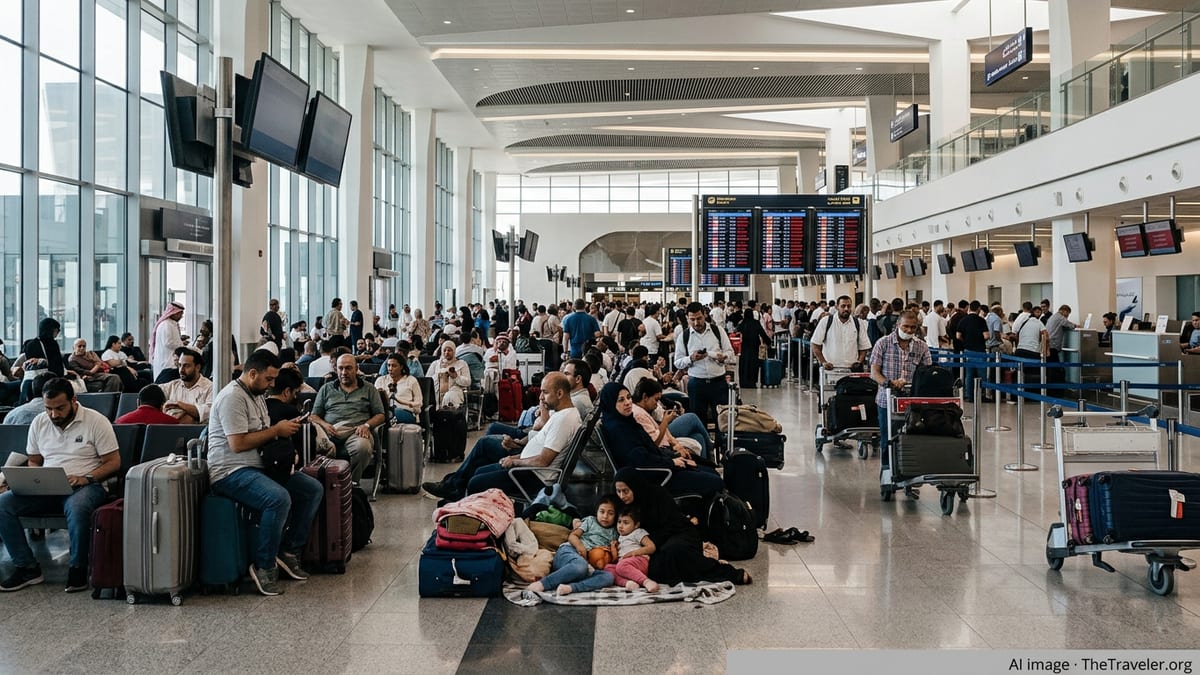
Early Morning Jolt Registers as Moderate Quake
Publicly available seismic data show that the earthquake hit shortly after dawn local time on Tuesday, June 9, with its epicenter recorded near Sargaz, a small community in Hormozgan province close to Iran’s southern coastline. The tremor registered a preliminary magnitude of 5.0 and occurred at a depth reported around the low twenties in kilometers, a range typically associated with noticeable shaking but limited surface damage in well-built areas.
Regional media coverage describes residents in nearby towns feeling a sharp but brief jolt, with some people reportedly stepping outside buildings and gathering in open spaces as a precaution. There were no immediate reports of fatalities, and initial information suggests that any structural impacts were confined to light, localized damage such as cracked plaster or dislodged masonry in older or more vulnerable buildings.
International monitoring centers classify a 5.0 event as moderate on the widely used moment magnitude scale. Such earthquakes are capable of rattling furniture and being felt across tens of kilometers, but are generally below the threshold that leads to widespread destruction, particularly in regions that have experienced frequent seismic activity and have adapted building practices over time.
The Sargaz event comes in the context of Iran’s broader seismic profile, with the country straddling several active fault systems. Hormozgan in particular has seen stronger events in the past decade, including earthquakes above magnitude 6 that prompted more significant responses. Against that backdrop, the June 9 tremor is being treated as a notable but relatively moderate incident.
Limited Damage Reports and Ongoing Assessments
According to published coverage from regional and international news outlets drawing on local data, early inspections have not identified extensive damage in the settlements closest to the epicenter. Utilities, including electricity and basic communications, were reported to be functioning across most of Hormozgan within hours, although some localized outages and temporary disruptions were noted in the immediate aftermath of the quake.
Publicly available information indicates that emergency teams and local volunteers conducted rapid checks of residential neighborhoods, schools and clinics in the affected zone. These sweeps appear to have focused on older homes and informal structures more susceptible to cracking and partial collapse. At this stage, the pattern emerging from media summaries points to minor structural issues rather than widespread building failures.
Hospitals and health centers in the province remained open, and there were no broad appeals for outside medical assistance by mid-day. Reports mention a small number of people seeking treatment for anxiety, falls, or minor injuries linked to hurried evacuations, a common outcome when quakes strike during rest hours and catch residents by surprise.
Seismologists routinely monitor for aftershocks following a mainshock of magnitude 5.0, and early technical bulletins referenced by international outlets note that additional smaller tremors are possible in the hours and days ahead. For now, however, the event appears to have unfolded without triggering a cascade of larger earthquakes in the same segment of the fault system.
Hormozgan’s Transport and Tourism Remain Operational
Despite the early morning shaking, publicly accessible travel and transport information indicates that core infrastructure across Hormozgan province remains open. Domestic flight schedules to nearby hubs on the Persian Gulf coast were reported to be operating on or close to time on June 9, with no broad cancellations attributed to the Sargaz quake.
Key overland routes that serve both local residents and visitors also appear to be functioning. National highways that connect Hormozgan’s coastal cities and inland communities did not feature in early damage summaries, suggesting that bridges, tunnels and major roadway segments withstood the shaking without critical impairment. Travelers already in the region have reported, through publicly visible social media posts and forum updates, that bus and car travel continued with only routine checks for rockfall in some hilly stretches.
Tourist-oriented areas across Hormozgan, including coastal towns and islands known for beaches, historic sites and distinctive geology, have long experience with moderate seismic events. Accommodation providers and tour operators in the wider province typically include earthquake procedures in their safety planning, and publicly shared information from the destination sector on June 9 did not indicate mass closures or evacuations.
For visitors currently staying in Hormozgan, the main changes reported involve precautionary safety briefings, temporary checks of hotel facades and interior fittings, and brief pauses in some guided activities during the morning while staff assessed facilities. By mid-day, most of these services were described as running on adjusted but steady schedules.
Context: A Seismically Active but Travel-Ready Region
Iran ranks among the world’s more seismically active countries, and Hormozgan’s position along the northern edge of the Arabian plate has contributed to a long record of earthquakes of varying sizes. Historical data on the province highlight prior significant events, including multi-fault ruptures and doublet earthquakes that prompted upgrades in engineering standards and emergency preparedness.
Over time, this seismic context has led to incremental improvements in building codes and public awareness, particularly in urban centers and critical facilities. Newer structures in many parts of Hormozgan are designed with lateral-strengthening features intended to better withstand ground shaking, while lifeline infrastructure such as ports, power plants and key roads are subject to more rigorous inspections after any notable quake.
For travelers, this means that while the risk of experiencing tremors can never be fully eliminated, many of the systems that support tourism are increasingly calibrated to operate in a seismically aware environment. Travel advisories issued by various governments in recent years have tended to focus more on geopolitical and regional security considerations than on routine seismicity, reflecting the fact that moderate earthquakes, while unsettling, are part of a known hazard landscape.
In the case of the June 9 Sargaz event, the available information suggests that the quake tested, but did not overwhelm, those existing safeguards. Hotels, guesthouses and tour providers across the province are continuing to receive guests, while local businesses adapt with standard safety checks and contingency plans that have become familiar throughout Iran’s quake-prone regions.
Advice for Current and Future Visitors
Travel industry guidance and general disaster-preparedness resources offer clear, practical steps for visitors in earthquake-affected areas. In Hormozgan following the Sargaz tremor, these basic recommendations remain relevant: know the evacuation routes in your accommodation, identify safe spots such as interior walls or sturdy furniture, and keep essential items like water, a flashlight and copies of travel documents easily accessible.
Travelers already in the province are encouraged, by widely used safety resources, to follow the instructions provided by hotel staff, tour leaders or transportation operators in the event of aftershocks. Simple measures such as securing loose luggage, avoiding overloaded balconies, and staying away from visibly damaged facades or walls can significantly reduce risk.
Those planning upcoming trips to Hormozgan can continue to monitor general regional updates through reputable international news providers and their own governments’ travel information services. As of June 9, publicly available reporting on the Sargaz earthquake does not indicate large-scale damage or disruptions that would fundamentally change travel plans for most visitors.
For many tourists, the main impact of the earthquake may be an increased awareness of the region’s dynamic geology. From coastal cliffs and islands shaped by tectonic forces to historic towns that have adapted over centuries of periodic shaking, Hormozgan offers a reminder that some of the world’s most compelling destinations exist alongside natural hazards that are carefully managed but always present.