


More news on this day
A United Airlines flight operating from San Francisco to Denver and scheduled to use an Airbus A321-271NX diverted to Grand Junction Regional Airport, interrupting travel plans for scores of passengers and triggering knock-on delays across an already busy early summer schedule.
Get the latest news straight to your inbox!
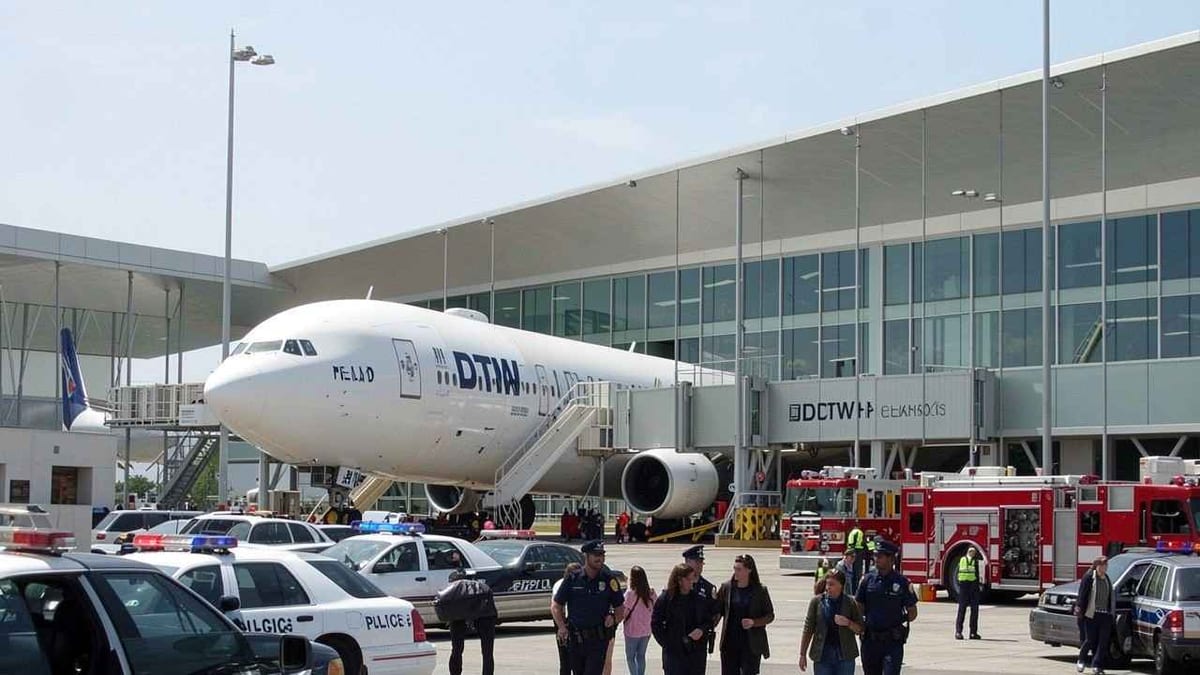
Diversion Interrupts Key San Francisco–Denver Link
Publicly available flight-tracking and airport information show that a recent United Airlines service on the San Francisco to Denver corridor, planned with an Airbus A321-271NX, made an unscheduled stop at Grand Junction Regional Airport in western Colorado. The diversion turned what is typically a short transcontinental hop into a multi-stage journey and left travelers waiting on the tarmac and in the terminal while the airline adjusted its operations.
The San Francisco to Denver route is one of United’s core domestic links, feeding connecting traffic across the airline’s Rocky Mountain hub. Any disruption on this corridor can ripple into missed onward connections, tight rebookings, and challenges for passengers traveling to smaller communities throughout the interior United States.
Grand Junction Regional Airport, a smaller facility on Colorado’s Western Slope, periodically hosts diversions from Denver-bound flights when weather or operational constraints affect the Front Range. Recent traveler accounts referencing extended holding times at Grand Junction while Denver weather cleared illustrate how the airport often serves as a relief point for congested airspace in and out of Denver.
In this latest event, the diversion of United’s A321neo service placed a large narrowbody aircraft with a high passenger load into an airport that typically handles a mix of regional jets and smaller mainline aircraft, adding pressure to airport services and airline ground handling.
Operational Factors Behind the Grand Junction Diversion
Details published through flight status tools and traveler forums suggest that diversions on the San Francisco to Denver route are most commonly tied to weather, air traffic control flow programs, and, less frequently, technical or medical needs. While the specific trigger for this A321-271NX diversion was not immediately clear in public data, recent patterns around the Denver area underscore how quickly thunderstorms and congestion can force aircraft off their planned routes.
Weather systems along the Front Range can prompt holding patterns and ground delay programs at Denver, sometimes making a diversion to an alternate airport more viable than extended airborne holding. Grand Junction, situated west of the Rockies, is often outside the worst of these storms and can provide a practical refueling and waiting point while arrival conditions at Denver stabilize.
Operational reports about other United diversions have highlighted how crews and dispatch weigh fuel reserves, potential holding times, and available alternates when making route decisions. For a larger aircraft such as the Airbus A321neo, these calculations must also account for passenger numbers, crew duty limits, and the availability of ground support at potential diversion airports like Grand Junction.
Because Grand Junction is not a primary United hub, any diversion there can create logistical complexities, including positioning ground staff, arranging fuel and catering services, and coordinating with local airport authorities to manage passenger flows in the terminal.
Passenger Experience and Delays Following the Diversion
Travelers on the diverted United San Francisco to Denver flight faced delays that extended beyond the unscheduled landing at Grand Junction. Publicly available accounts of similar diversions indicate that passengers can experience multi-hour waits either onboard the aircraft or within a regional terminal, depending on timing, gate availability, and regulatory requirements around deplaning.
For those with onward connections through Denver, even a short diversion can cascade into missed flights and overnight stays. Online discussions of recent United diversions suggest that, in peak travel periods, alternative seats are often scarce, leaving many travelers rebooked on later same-day or next-day departures. That pattern likely shaped the experience for some passengers on this A321neo service as schedules tightened across the Denver hub.
Passenger handling in diversion scenarios typically centers on communication about expected departure times, access to restrooms and food, and options for those with tight onward connections. Reports from travelers on comparable United diversions in recent months describe a mix of outcomes, with some praising ground staff response and others noting crowded terminals and limited information when multiple flights divert simultaneously.
For families, business travelers, and those with time-sensitive plans at their final destination, an unplanned stop at Grand Junction can significantly alter itineraries, emphasizing the importance of flexible arrangements and travel insurance at busy times of year.
Rebooking, Compensation, and Broader Network Impact
According to published coverage of recent United operational disruptions, the airline’s response to diversions typically includes automatic rebooking where possible, digital notifications through its app, and, in some cases, meal or hotel vouchers depending on the cause and length of the delay. When weather or air traffic control limitations are involved, accommodations and compensation may be more limited, even when travelers face substantial inconvenience.
In the case of the diverted San Francisco to Denver Airbus A321neo service, passengers with missed onward flights from Denver likely turned to United’s digital tools, customer service desks, and call centers to secure alternative options. At peak times, these channels can become congested, prompting some travelers to seek same-day options on other carriers or to adjust plans around ground transport and overnight stays.
The diversion also feeds into broader capacity pressures on Denver-bound schedules. A single delayed A321neo can displace hundreds of passengers across subsequent flights as crews and aircraft rotate through the network. In recent weeks, traveler reports about diversions into airports like Grand Junction and others across the United system have noted how one irregular operation can take days to fully unwind, especially when aircraft and crews are tightly scheduled.
For Denver and surrounding communities, repeated diversions and weather disruptions can temporarily reduce the reliability of key regional links, influencing how business and leisure travelers plan connections and buffer times through the hub.
Grand Junction’s Evolving Role as a Diversion Airport
Grand Junction Regional Airport has seen a growing profile in diversion narratives as traffic through Denver continues to expand and weather patterns remain volatile. Board documents and market-share summaries published by the airport authority highlight United as a significant presence in the local market, both through scheduled regional links and unscheduled operations when Denver is constrained.
When a large narrowbody such as an Airbus A321-271NX arrives unexpectedly, airport teams manage additional ground operations, from parking and refueling to security and passenger services. Public information about earlier diversions into Grand Junction describes how these events can stretch local resources, especially when more than one diverted flight arrives in quick succession.
For travelers on the most recent San Francisco to Denver diversion, Grand Junction functioned as a temporary waypoint rather than a destination. Even so, extended ground time at a smaller airport can offer some advantages over in-flight holding, including access to terminal facilities and more predictable updates once revised departure times are established.
As early summer travel intensifies, the diversion of United’s A321neo service underscores how airports like Grand Junction play an increasingly important role in maintaining the flow of traffic across the Rocky Mountain region when primary hubs face disruption.