


More news on this day
Air Canada is recording its strongest fall revenue on the back of a surge in premium cabin demand, as high-spending travelers shift from summer heat at home toward cooler escapes in Europe and renewed routes to Japan.
Get the latest news straight to your inbox!
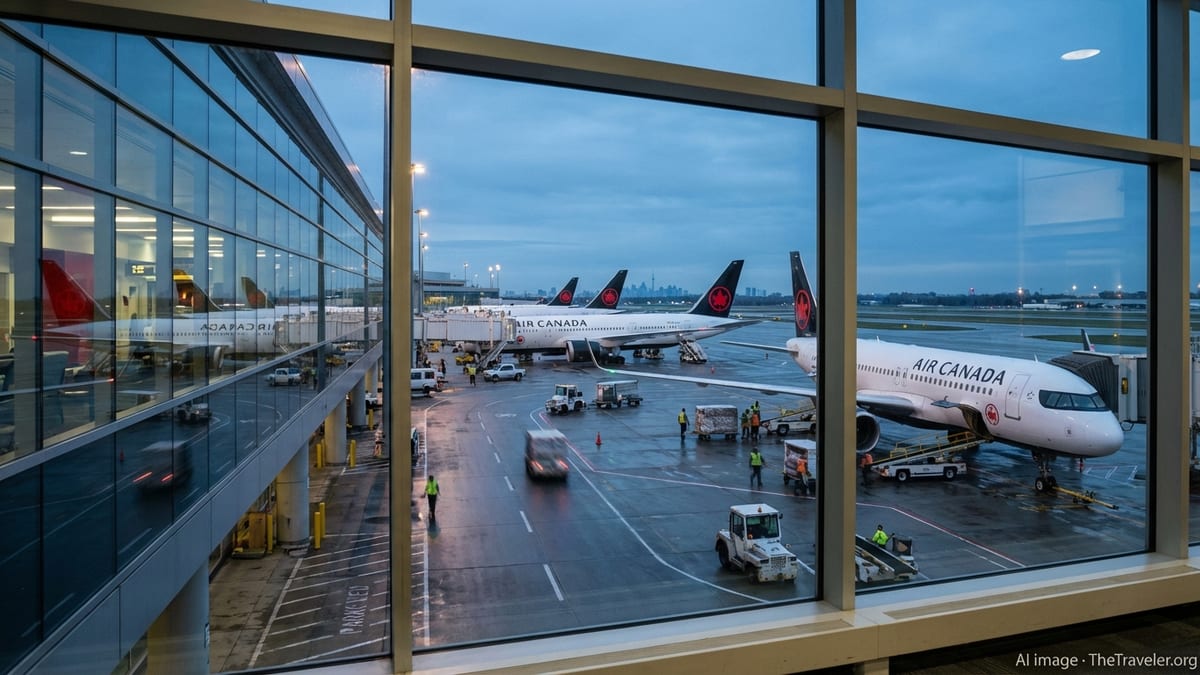
Record Fall Performance Builds on International Momentum
Publicly available financial disclosures and recent analyst coverage indicate that Air Canada has entered the fall travel period with record revenue, driven largely by long-haul international flying and a higher mix of premium seats sold. While overall yields have come under pressure in some North American markets, systemwide revenue has been supported by strong demand on transatlantic and transpacific routes.
Recent results covering the back half of 2024 and early 2025 show operating revenue holding at or near historic highs in the third and fourth quarters, traditionally shoulder-season months for Canadian carriers. Investor presentations point to international flying outside the United States, including Europe and the Pacific, as a primary engine of growth, helping offset softening leisure trends on some domestic and transborder routes.
Air Canada’s strategy has emphasized network diversification away from a heavy reliance on North American demand. Capacity has been shifted into overseas markets where corporate and high-yield leisure travelers are willing to pay more for extra space, lie-flat seats, and bundled perks. That emphasis is now clearly visible in the revenue mix, particularly during the fall when international business travel returns after the summer holiday period.
Premium Travelers Extend the Season Beyond Peak Summer
Management commentary in recent earnings materials highlights a notable surge in premium travel, particularly in business, premium economy, and extra-legroom products. Reports indicate that premium cabins are booking strongly well past the traditional July and August peak, with high-spending travelers opting to travel in September, October, and November to avoid extreme summer temperatures and crowded destinations.
According to recent coverage of the airline’s results, Air Canada has seen a rebound in corporate bookings layered on top of resilient demand from affluent leisure travelers. Many of these passengers are choosing upgraded cabins for work trips or “bleisure” itineraries, blending meetings with short vacations. The carrier has described premium travel as a key revenue driver, helping to sustain margins even as base fares face more competition.
This shift in timing is important for the airline’s fall performance. By spreading high-yield demand more evenly into the shoulder season, Air Canada can improve aircraft utilization, support year-round frequencies on long-haul routes, and reduce its exposure to sharp seasonal swings. For travelers, the trend offers greater choice of schedules and product tiers at times of the year that were once quieter.
Europe Emerges as a Cooler-Weather Magnet
Industry reporting shows that Europe continues to be a central pillar of Air Canada’s international strategy, especially during the fall. After several summers marked by heatwaves in parts of southern Europe and North America, some travelers are increasingly targeting early fall for trips to major European cities and secondary cultural destinations, where temperatures are milder and crowds are more manageable.
Data in Air Canada’s recent annual and quarterly reports indicate that Atlantic revenue remains robust even as yields face competitive pressure. The carrier has focused on maintaining strong connectivity from its hubs in Toronto, Montreal, and Vancouver to key European capitals and regional centers. For premium travelers, that connectivity is reinforced by lounge access, priority services, and a wider choice of lie-flat and premium economy seating on widebody aircraft.
Published coverage also notes that corporate travel between Canada and Europe has risen sharply, driven in part by companies looking to diversify trade and investment ties. This has bolstered demand for flexible business-class fares and last-minute premium bookings into the fall, where corporate calendars typically intensify after the summer break. The combination of business and upscale leisure traffic has turned Europe into a reliable shoulder-season performer for the airline.
Japan and the Pacific Drive a Rebound in High-Yield Routes
On the Pacific side, Air Canada has been gradually rebuilding and expanding its network to Asia, with Japan standing out as a particularly strong performer in recent commentary. As border policies normalized and demand patterns stabilized, the carrier identified renewed opportunities to redeploy capacity to Japan and broader Asia-Pacific markets, where premium fares can command a significant revenue premium.
Reports on the airline’s results highlight a steady rebound in transpacific traffic, including both corporate travelers and high-spend tourists taking advantage of favorable exchange rates and renewed interest in cultural and culinary travel. Tokyo routes, in particular, have supported premium cabin loads, with many itineraries connecting onward to Southeast Asia and Oceania through partner networks.
For Air Canada, Japan and neighboring markets offer more than point-to-point demand. The airline has long pursued so-called sixth-freedom traffic, carrying passengers between third countries via its Canadian hubs. In a strong premium environment, this connecting traffic can fill business and premium economy cabins across seasons, including the fall, amplifying the revenue impact of each aircraft deployed on the Pacific.
Strategic Focus on High-Yield Segments and Future Outlook
Across its network, Air Canada’s strategy appears increasingly centered on high-yield segments rather than pure volume growth. Investor materials and analyst reports describe a focus on optimizing the mix of seats, investing in cabin upgrades, and tailoring schedules to premium-heavy corridors such as Canada–Europe and Canada–Japan. The result has been a revenue profile less dependent on peak-summer leisure surges and more balanced across the calendar year.
Looking ahead, the carrier’s guidance into 2025 and 2026 points to continued confidence in international and premium demand, even as economic uncertainty and competitive pressures remain. Management has outlined plans to further expand winter and shoulder-season flying to Europe, Latin America, and select Asia-Pacific destinations, signaling that the trend of extended-season premium travel is expected to persist.
For travelers, the shift means more year-round options to escape the summer heat or align trips with business schedules without sacrificing comfort. For Air Canada, record fall revenue driven by premium travelers bound for Europe and Japan underscores how profoundly demand patterns have changed since before the pandemic, and how central high-value customers have become to the airline’s growth story.