


More news on this day
Travellers flying with AirBorneo across Sabah and Sarawak are being advised to brace for continued delays and cancellations, as the regional carrier works through concurrent aircraft maintenance and technical issues that have significantly reduced its operating fleet since June 5.
Get the latest news straight to your inbox!
Maintenance bottleneck constrains regional fleet
Publicly available information indicates that AirBorneo has withdrawn several aircraft from service for unscheduled technical rectification, while others remain in scheduled maintenance. With multiple aircraft in engineering bays at the same time, the airline’s effective fleet in early June has been notably reduced, creating a knock-on effect across its timetable.
The disruptions, which began around June 5, are concentrated on routes within Sabah and Sarawak that rely heavily on turboprop aircraft for short hops between secondary cities and rural communities. Reduced aircraft availability means even minor schedule changes or technical snags can quickly ripple through the network, turning isolated issues into day-long delays for passengers.
Reports from Malaysian news outlets describe the current episode as a confluence of operational pressures rather than a single equipment failure. Alongside the engineering backlog, duty time limits for flight and cabin crews have added further constraints, limiting flexibility to mount ad hoc rescue flights or extend operating hours when delays build up.
Industry observers note that smaller regional airlines such as AirBorneo have less spare capacity than larger national carriers, leaving little margin when multiple aircraft are grounded at once. The situation in early June has highlighted how quickly rural air services can be strained when technical and staffing challenges occur simultaneously.
Sabah and Sarawak routes hardest hit
The most immediate impact is being felt across intra-Borneo services linking cities such as Kuching, Miri, Sibu, Kota Kinabalu and smaller airfields that depend on frequent short-haul connections. Local coverage in Sarawak and Sabah points to a pattern of same-day cancellations and rolling delays, with some passengers needing to be rebooked on later flights or routed through alternative airports.
These affected routes form part of the public-service style network inherited from MASwings, which AirBorneo took over at the start of 2026. Many of the services are lifelines for remote communities, offering critical links for work, education, medical travel and tourism. Any sustained disruption therefore carries wider social and economic implications beyond inconvenience for individual travellers.
Available reports suggest that larger trunk routes on the island of Borneo, particularly those connecting key hubs, have been prioritised where possible as capacity is reshuffled. However, the combination of constrained fleet size and high demand at the start of the mid-year travel period has limited the airline’s ability to shield less busy sectors from disruption.
Travel industry analysts following the situation in East Malaysia indicate that while the disruptions are operational in nature, they arrive at a time when there is intense public scrutiny of air connectivity and fares between Peninsular Malaysia, Sabah and Sarawak, amplifying frustration among regular flyers.
Passengers urged to monitor flights closely
According to published coverage, AirBorneo has advised passengers to check their flight status before leaving for the airport, noting that further schedule changes remain possible while aircraft are progressively returned to service. The carrier is working to re-accommodate affected travellers on the earliest available flights, but limited spare capacity means some itineraries are being pushed back by several hours or more.
Travel agents and airport information channels in Sabah and Sarawak have echoed calls for passengers to build extra time into their journeys, especially when connecting between different airlines or travelling for time-sensitive events. For those with flexible plans, some advisers recommend considering early-morning departures, when schedules can be less affected by the cumulative delays that build later in the day.
Consumer-focused reports also highlight the importance of monitoring notifications closely and keeping contact details up to date with the airline. With rolling adjustments to the timetable, last-minute messages about retimed departures or aircraft changes have become a key part of managing the disruption.
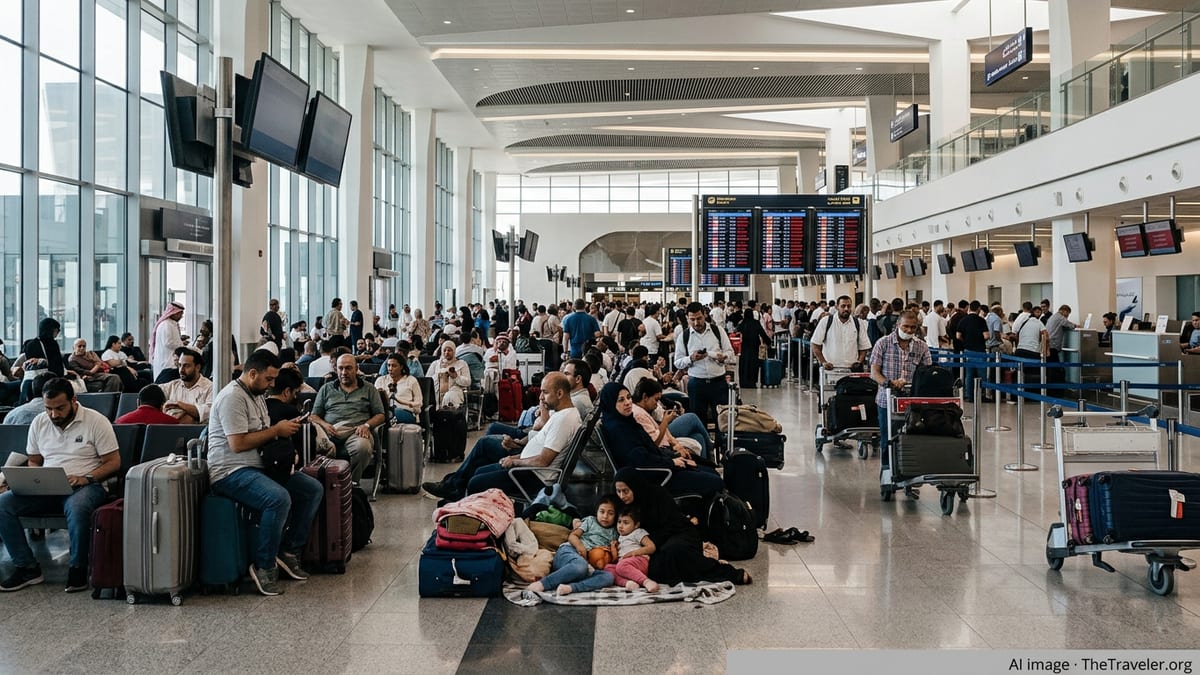
Passenger experiences shared on social platforms point to a mixed picture: while some travellers have been rebooked smoothly, others report protracted waits in terminals as ground teams try to consolidate services and juggle limited aircraft and crew.
State-backed carrier under growing scrutiny
The ongoing disruption comes less than six months after AirBorneo formally assumed operations from MASwings as the Sarawak state-backed regional airline. The carrier was launched with a mandate to strengthen connectivity within Borneo and support economic development, particularly in underserved areas of Sabah, Sarawak and Labuan.
Recent commentary in Malaysian media and online forums shows that expectations for the new airline remain high, and the current wave of delays has quickly become a focal point for wider debate about service reliability and network planning. Some commentators have questioned whether the existing fleet size and maintenance capacity are sufficient to support the expanded role envisioned for the airline.
At the same time, aviation analysts point out that fleet transitions, new maintenance arrangements and integration of former MASwings operations present complex challenges in the first year of a new carrier’s life. The present disruption is unfolding against the backdrop of this broader transformation, with AirBorneo still in the process of stabilising its operations and introducing newer aircraft for rural air services.
Regional tourism stakeholders are watching closely, as consistent air links are vital for plugging Borneo’s nature and culture destinations into international travel flows. While the current issues are concentrated on domestic routes, extended instability could dent confidence among tour operators planning itineraries that rely on multiple short regional flights.
What travellers can expect in the coming days
Based on the latest public statements and media reporting, AirBorneo expects the disruption to persist in the near term as engineering teams clear the backlog of technical rectifications and scheduled checks. Aircraft are expected to return to service progressively, which should ease pressure on the network if no new technical issues arise.
For passengers already booked on flights in the coming days, the main advice remains to stay alert to changes, arrive earlier than usual at airports in Sabah and Sarawak, and prepare for the possibility of revised departure times. Travellers arranging complex trips involving interline or self-connected itineraries may wish to consider longer layovers or alternative routing where available.
Travel commentators note that episodes like this are not uncommon among smaller regional airlines operating in challenging environments, but timely communication and clear options for affected customers are key to maintaining trust. How quickly AirBorneo can restore a stable schedule across Sabah and Sarawak will likely shape public perceptions of the young carrier in the crucial first year of its operation.