


More news on this day
Puerto Vallarta is riding a powerful tourism wave, with rising passenger volumes, expanding air connectivity and robust cruise traffic pushing the Mexico Pacific resort into its strongest period on record.
Get the latest news straight to your inbox!
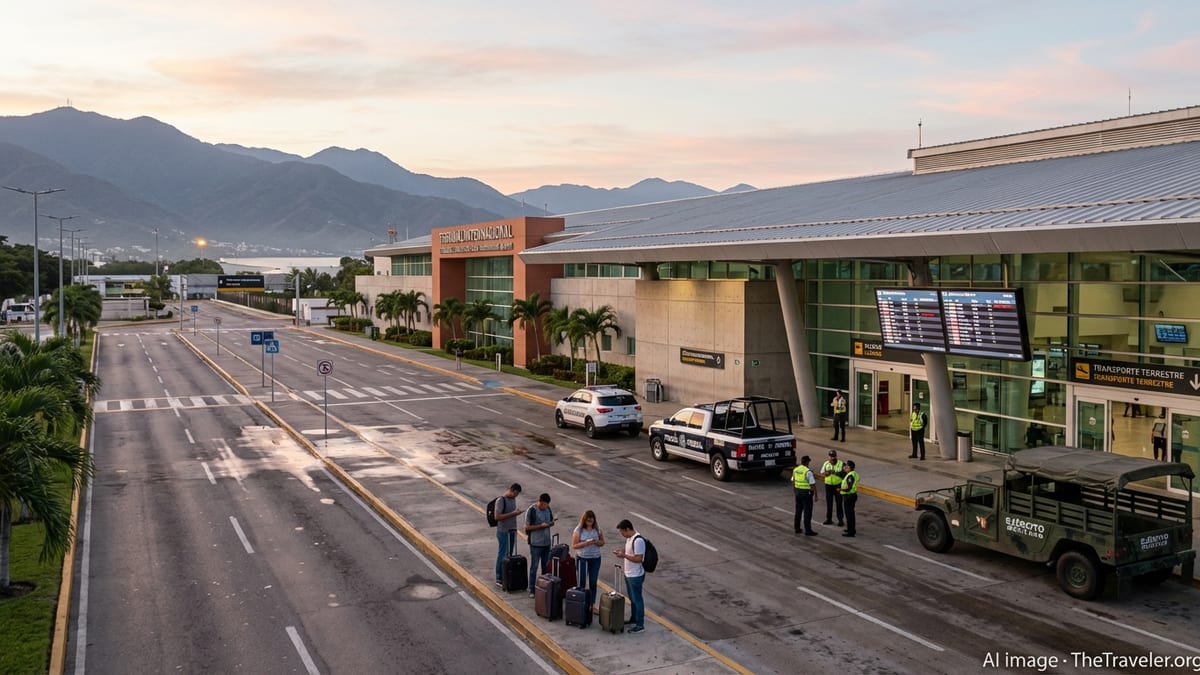
Record Passenger Numbers at Puerto Vallarta Airport
Recent figures show Puerto Vallarta’s Licenciado Gustavo Díaz Ordaz International Airport consolidating its position among Mexico’s busiest gateways. Publicly available airport statistics indicate the facility handled close to 6.8 million passengers in 2023, reflecting a near double-digit percentage increase over the previous year and extending a multi-year upward trend in traffic.
Federal tourism dashboards and Jalisco state data for 2024 and early 2025 point to continued growth, with Puerto Vallarta consistently ranking among the top Mexican destinations by international air arrivals. Industry compilations place the airport within the country’s upper tier for total passenger movements, confirming that the coastal city is attracting both long-haul visitors and a rising share of domestic travelers.
Reports indicate that foreign visitors now account for a substantial share of arrivals, particularly from the United States and Canada, while domestic tourism from major Mexican hubs such as Mexico City, Guadalajara and Monterrey continues to strengthen. The mix has allowed Puerto Vallarta to extend its traditional high season, with more traffic now distributed across spring and late autumn as travelers seek warmer weather and beachfront stays outside peak winter holidays.
Tourism analysts note that the airport’s trajectory reflects both the destination’s enduring appeal and broader industry shifts, including a post-pandemic preference for sun-and-sand vacations and open-air experiences. Puerto Vallarta’s combination of established hotel infrastructure and access to nearby Riviera Nayarit towns is helping sustain high load factors on many routes.
Airlines Add Capacity from Key North American Cities
Air connectivity is underpinning the travel boom as airlines expand service into the bay. Schedules published by Puerto Vallarta International Airport and major carriers list nonstop flights from a wide range of United States gateways, including Los Angeles, San Francisco, Seattle, Denver, Chicago, Houston, Dallas Fort Worth, Atlanta and New York area airports, along with multiple Canadian and Mexican cities.
Network updates from U.S. airlines show fresh capacity being directed to the destination. American Airlines has highlighted Puerto Vallarta in recent winter schedules from Phoenix, with airport communications in mid-2024 noting an increase to three daily flights on the route during the cooler months. Other carriers, including Alaska, Delta, United and low-cost operators, continue to market Puerto Vallarta heavily as part of their Mexico portfolios.
Canadian leisure airlines and tour operators have also been ramping up. Public information from carriers such as Air Transat points to additional seasonal frequencies from Montreal and other Canadian hubs in early 2025, reinforcing Puerto Vallarta’s status as a favored escape during North America’s winter. Charter-style services bundled with resort packages remain a significant driver of volume from these markets.
On the domestic side, Mexican airlines continue to link Puerto Vallarta with key urban centers, supporting both holiday demand and growing interest from Mexican travelers seeking short breaks on the Pacific coast. Industry observers say this layered network of full-service, low-cost and charter capacity has made it easier for a broader demographic of visitors to reach the city, even as airfares fluctuate.
Cruise Arrivals Deliver Millions in Visitor Spending
While aviation provides the headline numbers, cruise tourism is adding another strong pillar to Puerto Vallarta’s boom. Mexico’s federal tourism ministry reported that from January to April 2024, the country’s leading cruise ports, including Puerto Vallarta, accounted for the vast majority of the nearly 3.9 million cruise passengers arriving nationwide. The Jalisco port is consistently named among the top five Mexican cruise destinations by passenger volume.
State-level tourism statistics compiled from port authority data show that Puerto Vallarta welcomed more than 548,000 cruise passengers in 2024, according to local coverage that cites the Jalisco tourism information system. Those visitors generated an estimated spending impact of more than 900 million pesos in the city, underscoring the importance of shore excursions, dining, shopping and local tour services to the regional economy.
Published reports note that a wide roster of global cruise brands now includes Puerto Vallarta on Pacific itineraries. Major operators such as Princess Cruises, Carnival, Royal Caribbean, Disney Cruise Line, Holland America Line, Celebrity Cruises, Norwegian Cruise Line and others regularly schedule calls, often pairing the port with stops in Cabo San Lucas and along the Mexican Riviera.
Industry commentary suggests that cruise lines value Puerto Vallarta for its sheltered bay, passenger-friendly terminals and access to diverse excursions, from whale watching and marine activities to day trips into the Sierra Madre foothills. The steady stream of ships helps keep restaurants, guides and tour operators busy in shoulder seasons, complementing the city’s hotel-based tourism.
Hotel Performance Highlights Destination’s Appeal
Hotel metrics underscore how strongly Puerto Vallarta is competing in the wider sun-and-sand market. A comparative performance report released in early 2024 for major resort destinations in the Americas identified Puerto Vallarta as achieving one of the highest hotel occupancy levels among beach destinations, with figures above 80 percent in the period analyzed.
Local hospitality organizations and travel industry commentary describe a lodging sector that ranges from large all-inclusive resorts in the hotel zone and Marina Vallarta to boutique properties and vacation rentals concentrated in neighborhoods such as the Romantic Zone and Centro. This variety enables the city to attract both package holidaymakers and independent travelers looking for smaller, locally run accommodations.
Operators report that demand has been particularly strong in winter months, when visitors from colder regions seek extended stays, and during key holiday periods when Mexican families travel domestically. The combination of repeat visitors and new travelers discovering the region has helped sustain elevated occupancy, even as new rooms come online.
Industry observers add that Puerto Vallarta’s relative affordability compared with some Caribbean islands, along with its established restaurant scene and cultural offerings, continues to support bookings. However, they also note rising prices in certain segments, reflecting strong demand and limited beachfront development space in the city’s most popular districts.
Balancing Rapid Growth with Sustainability and Safety Perceptions
The scale of Puerto Vallarta’s tourism boom is prompting questions about how the destination will manage growth while preserving its coastal environment and community character. Urban development along Banderas Bay has accelerated, with new hotels, condominiums and infrastructure projects extending north and south of the historic center. Local discussions increasingly focus on issues such as beach access, traffic congestion and the impact of short-term rentals on residential neighborhoods.
Environmental groups and community organizations are drawing attention to coastal erosion, pressure on marine ecosystems and the need for stronger protections for the bay’s biodiversity. Public planning documents and news coverage highlight efforts to improve wastewater treatment, expand public transport options and encourage more sustainable tourism practices, although implementation timelines and enforcement remain ongoing topics of debate.
The city’s image has also been shaped by broader conversations about safety in parts of Mexico. Travel forums and recent online discussions show that many visitors report feeling comfortable in Puerto Vallarta, describing vibrant streets, active nightlife and a visible tourism infrastructure. At the same time, reports of higher airfares and economic pressures in source markets have tempered demand at certain times of year, leading to short-lived drops in hotel occupancy.
Analysts say the challenge for Puerto Vallarta will be to maintain its momentum while addressing infrastructure constraints and resident concerns. With airlines adding seats, cruise lines maintaining robust calls and visitor spending climbing, the destination’s trajectory suggests it will remain a flagship on Mexico’s Pacific coast, provided growth is managed in a way that keeps its beaches, neighborhoods and bay attractive to both travelers and locals.