


More news on this day
Air travel across Asia is facing major disruption as more than 3,400 flights are cancelled and over 7,200 delayed in a single day, with Ho Chi Minh City emerging as one of the hardest hit hubs for international and domestic passengers.
Get the latest news straight to your inbox!
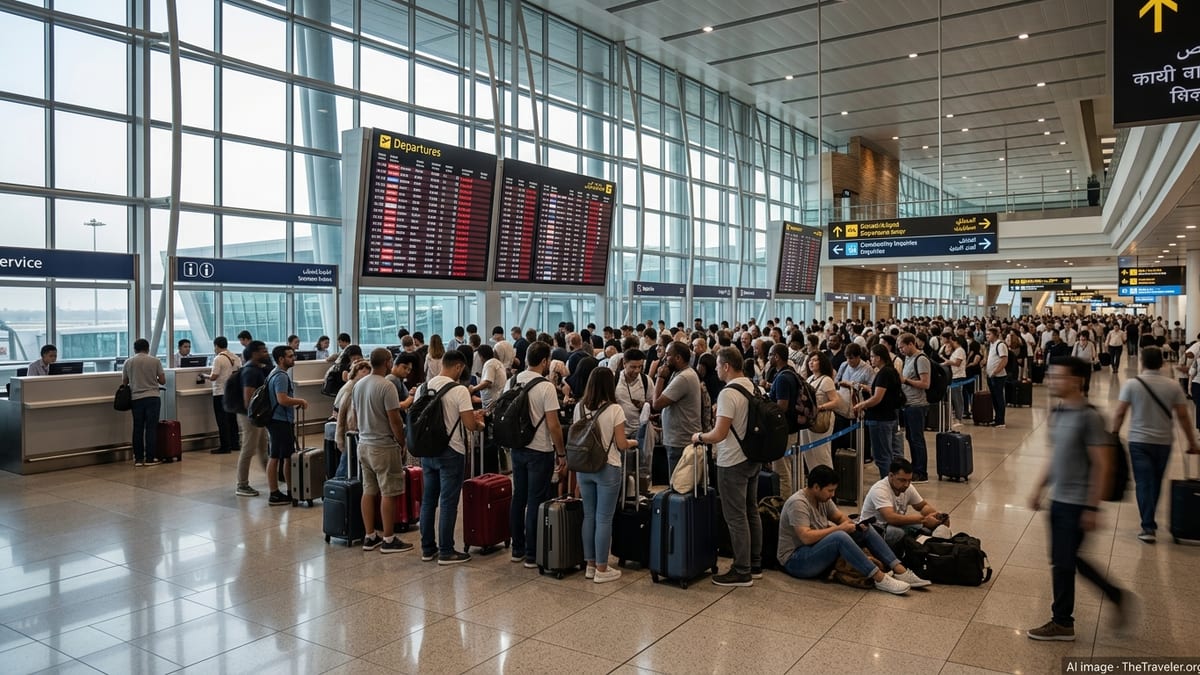
Ho Chi Minh City Among Busiest Airports Grappling With Disruption
Ho Chi Minh City’s Tan Son Nhat International Airport, already one of Southeast Asia’s busiest passenger gateways, is experiencing particularly acute pressure as cancellations and delays ripple through regional networks. Publicly available aviation data indicates that the airport, which handles millions of passengers each month, is struggling to absorb knock-on effects as schedules unravel at neighboring hubs.
Reports from passengers and airline operations feeds describe clusters of cancellations on key regional routes linking Ho Chi Minh City with other major cities in Vietnam, as well as with hubs in East and Southeast Asia. High-frequency services to Hanoi, Da Nang and international points such as Bangkok, Singapore and Hong Kong have seen multiple rotations scrubbed or rescheduled within hours of departure.
The current wave of disruption is compounding routine congestion issues for Tan Son Nhat, where limited runway and terminal capacity already leave little margin when irregular operations occur. When several carriers cut or delay services at short notice, queues quickly build at security and check in, and aircraft arriving late often struggle to secure stands, which further slows turnarounds.
While Vietnam is in the process of developing Long Thanh International Airport outside Ho Chi Minh City to relieve pressure on the existing gateway, that long term project offers little immediate relief to travelers faced with missed connections and overnight waits.
Regional Pattern: Thousands of Cancellations and Delays
The figure of 3,427 cancellations and 7,283 delays across Asia reflects not only localized issues at a single airport but a broader pattern stretching from South Asia to Northeast Asia. Data compiled from multiple flight tracking platforms and airline status boards shows that the bulk of affected flights are concentrated on regional routes of three to five hours, where aircraft typically operate several legs per day.
These short haul sectors are particularly vulnerable when operational problems emerge, as a single early morning delay can cascade through an aircraft’s entire rotation, pushing back subsequent departures or forcing airlines to cancel later legs outright. By mid afternoon on busy travel days, this can translate into hundreds of disrupted flights at each major hub, contributing to the region wide totals now being observed.
Major metropolitan gateways such as Bangkok, Singapore, Kuala Lumpur, Seoul, Tokyo and Hong Kong are all reporting elevated levels of disruption, though the scale and drivers vary by market. In some cases, congestion and weather are dominant factors, while in others, staffing limitations and aircraft availability are playing a significant role in forcing last minute schedule changes.
International connections between Asia and the Middle East, Europe and North America have also been affected where they rely on tight regional feeder links. Travelers transiting via Asian hubs to reach long haul services report missed onward flights when inbound legs arrive significantly behind schedule or are cancelled outright.
Contributing Factors: Weather, Capacity and Operational Strain
Analysts tracking the region’s aviation performance point to a confluence of factors behind the latest spike in cancellations and delays. Seasonal thunderstorms and heavy rains continue to affect parts of Southeast and East Asia, periodically reducing airport operating capacity as visibility drops and runways require extended spacing between landings and departures.
At the same time, several airlines across Asia are still balancing crew and fleet resources after an extended period of network adjustments. Public information from carriers and industry reports highlights ongoing schedule tweaks as airlines redeploy aircraft to higher yielding routes or reduce frequencies where demand has softened or operational costs have risen sharply.
Airports are likewise operating close to their design limits at peak hours. When traffic volumes surge during holiday periods or weekend travel waves, even minor incidents such as a single runway closure for inspection or an aircraft requiring technical attention can have outsized consequences for punctuality. That strain is particularly visible at older, land constrained airports such as Tan Son Nhat, where room to expand taxiways, aprons and terminal space is limited.
Industry studies on air transport resilience also underline how extreme weather events and infrastructure bottlenecks can amplify passenger delays across wide regions when schedules are tightly interconnected. The current pattern across Asia aligns with these findings, with missed slots and crew duty time limits forcing airlines to cancel services rather than operate heavily delayed flights late into the night.
Passenger Impact: Missed Connections and Crowded Terminals
For travelers, the headline figures of more than three thousand cancellations and over seven thousand delays translate into long queues, missed events and unexpected overnight stays. Social media posts and publicly shared accounts from passengers across the region describe hours spent in line at customer service desks, uncertainty over rebooking options and difficulty accessing call centers or airline apps during peak disruption.
Ho Chi Minh City is seeing growing numbers of transfer passengers stranded between domestic and international legs when their inbound sectors are delayed beyond minimum connection times. Similar reports are emerging from other Asian hubs, where travelers bound for Europe or the Americas find that the last long haul departure of the day has already left, forcing them onto next day flights and requiring emergency accommodation arrangements.
Families traveling with children and tourists on tight itineraries are particularly exposed, as many rely on low cost or point to point carriers that do not offer protected connections. When one flight is cancelled, there may be no automatic rebooking through to the final destination, leaving passengers to purchase new tickets at significantly higher walk up fares.
Business travelers, meanwhile, report knock on effects such as missed meetings and project delays, which add indirect economic costs to the disruption beyond the immediate expenses of rebooking and accommodation. For companies operating across multiple Asian markets, the cumulative effect of repeated cancellations and lengthy delays is beginning to factor into wider risk assessments and travel planning.
What Travelers Can Do Right Now
Travel experts recommend that passengers scheduled to travel through major Asian hubs in the coming days take extra precautions in light of the elevated disruption. Checking flight status frequently in the 24 hours before departure, monitoring airline mobile applications and registering for SMS or email alerts can provide early warning of schedule changes or cancellations.
For itineraries involving tight connections, particularly at busy airports such as Ho Chi Minh City, Bangkok, Singapore or Hong Kong, travelers may wish to allow additional buffer time between flights where possible. Booking through tickets on a single carrier or alliance can reduce the risk of being left without assistance if one leg is cancelled, as it typically places responsibility for reaccommodation on a single airline rather than multiple separate operators.
Passengers already affected by cancellations are advised by consumer organizations and travel forums to document all communications and expenses, including meals and hotel stays, in case they can later seek reimbursement under airline policies or local regulations. While compensation frameworks differ widely across jurisdictions in Asia, clear records can assist in any subsequent claims or insurance processes.
With the current wave of disruption still unfolding, it remains unclear how quickly operations will normalize across the region. For now, travelers passing through Ho Chi Minh City and other major Asian airports are likely to face a more unpredictable experience than usual, with flexibility and contingency planning more important than ever.