


More news on this day
Airbus is confronting fresh uncertainty over its ambitious A320 production targets as ongoing engine availability problems at RTX’s Pratt & Whitney division strain the jet maker’s supply chain and ripple through airline fleet plans worldwide.
Get the latest news straight to your inbox!
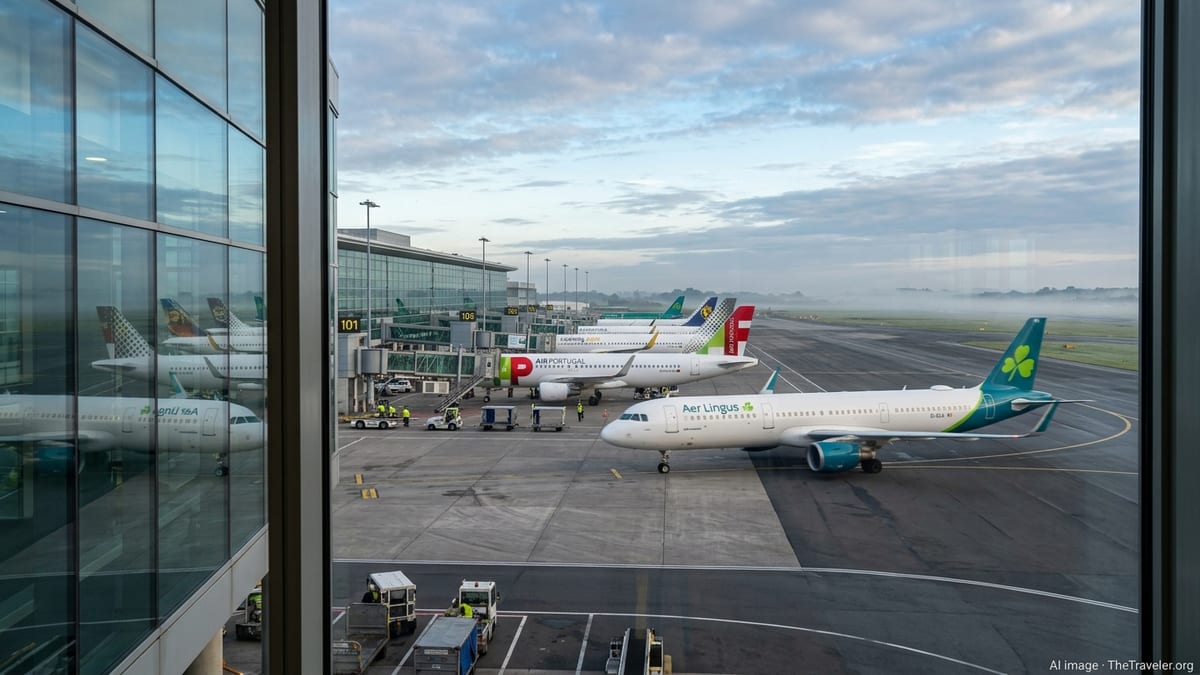
Engine bottlenecks unsettle Airbus A320 output plans
Recent coverage from financial news outlets indicates that Airbus is no longer fully confident it can meet its near-term production ambitions for the A320 family, its single-aisle workhorse. The main concern is the supply of Pratt & Whitney geared turbofan engines, built by RTX, which are fitted to a significant share of A320neo aircraft on order.
The engine maker has spent the past two years contending with durability issues that forced accelerated inspections and early removals of some engines from service. Publicly available information shows that these technical and industrial pressures are still feeding into constrained delivery schedules, directly affecting how many completed aircraft Airbus can hand over to airlines in a given year.
Airbus has reiterated a longer-term goal of reaching a build rate of about 75 A320-family jets per month around 2027, but reports suggest that interim milestones are under review. The ramp-up path now appears increasingly dependent on whether RTX can stabilize engine output and clear inspection backlogs without new disruptions.
For Airbus, any slippage in engine deliveries translates into aircraft waiting on the tarmac without powerplants, known in the industry as “gliders.” These undelivered jets tie up capital at a time when demand for new single-aisle capacity remains historically strong, particularly on intra-European, transcontinental and Asia–Pacific routes.
RTX’s Pratt & Whitney struggles reverberate across airlines
The Pratt & Whitney geared turbofan was introduced as a fuel-efficient engine option for the A320neo, promising lower fuel burn and emissions. However, a combination of manufacturing quality concerns and durability findings has driven extensive inspection campaigns and constrained capacity at maintenance and overhaul facilities.
Industry analyses describe this as a significant bottleneck for Airbus, since any delay to new-engine deliveries or in returning overhauled units to service reduces the pool of available powerplants. Some airlines have already grounded portions of their A320neo fleets while they await replacement engines or parts, adding urgency to the situation for both the airframer and RTX.
From a travel perspective, the repercussions extend beyond the factory floor. Airlines coping with grounded aircraft or delayed deliveries often respond by extending leases on older jets, deferring planned retirements or reshuffling route networks. These moves can limit capacity growth on high-demand routes, potentially tightening seat supply and influencing fares in the short to medium term.
RTX has outlined multi-year plans to address the issues, including expanded maintenance capacity and revised production processes. Nonetheless, analysts following the company note that the timeline to fully resolve the engine disruptions remains uncertain, especially if additional findings emerge as inspections proceed.
Airbus balances robust demand with fragile supply chains
Even as it faces these execution risks, Airbus continues to report a strong order book for the A320 family. According to recent market commentary, the manufacturer is not seeing widespread cancellations or requests to defer orders, underscoring how airlines remain eager to secure fuel-efficient aircraft for future growth and fleet renewal.
This tension between robust demand and fragile supply is a defining feature of the current commercial aerospace environment. Airbus is navigating not only engine-related challenges but also lingering stresses in aerostructures, cabin equipment and other components that were exposed during the pandemic and have yet to fully normalize.
Consultancy reports on the sector highlight that single-aisle jets like the A320neo are central to airlines’ long-term strategies, thanks to their operating economics and versatility on short and medium-haul routes. That structural demand gives Airbus confidence in its 2027 production ambitions, but the path to that target is increasingly described as “backloaded,” with steeper growth required later in the decade if current bottlenecks persist.
For travel markets, this means that many carriers are operating in a prolonged period of capacity tightness. While new aircraft are arriving, the pace is slower than originally planned, which may constrain airlines’ ability to add frequencies on popular leisure and business corridors in Europe, Asia and North America.
Implications for global capacity and passenger experience
The uncertainty around A320 output and RTX engine availability is emerging at a time when air travel demand is proving resilient. Passenger traffic in many regions is at or above pre-pandemic levels, and airlines have signaled ambitions to expand networks into secondary cities and underserved tourism destinations.
When aircraft deliveries fall short of earlier expectations, airlines often prioritize core, high-yield routes, leaving thinner or seasonal routes with less capacity than originally planned. Travelers may encounter fewer nonstop options, more reliance on connecting itineraries and reduced flexibility in departure times, particularly during peak holiday periods.
Fleet delays can also influence the passenger experience on board. New-generation A320neo jets tend to offer quieter cabins, improved air quality systems and updated in-flight entertainment or connectivity options compared with older models they are slated to replace. A slower inflow of new aircraft may prolong the mix of older cabins across some fleets, even as airlines advertise upcoming product upgrades.
Industry observers note, however, that the long-term fundamentals for air travel remain strong, and that both Airbus and RTX have clear financial and reputational incentives to restore predictability to their production and support chains. Once engine supplies stabilize, the large backlog of A320-family orders suggests a sustained wave of deliveries that could support renewed capacity growth later in the decade.
Market reaction and outlook for investors and travelers
Equity market commentary has framed Airbus’s situation as a question of execution risk rather than demand weakness. Some analysts have recently flagged the potential for further delivery guidance revisions if engine constraints or other supply chain issues do not ease as quickly as hoped. At the same time, others point to the company’s record backlog and the industry’s limited alternatives in the single-aisle segment as supportive factors for its longer-term prospects.
RTX’s performance is also under scrutiny as investors weigh the cost of remedying the Pratt & Whitney issues against the long-term value of its engine programs. Engine makers often earn much of their lifetime profit from maintenance and spare parts rather than from the initial sale, so the way RTX manages reliability, customer relationships and regulatory scrutiny in the coming years will be closely watched.
For travelers, the near-term picture is more tangible than balance sheets and guidance revisions. The combination of strong demand and constrained aircraft supply suggests that load factors on many routes will remain high. While fare dynamics vary by market, a tight capacity backdrop tends to reduce the likelihood of widespread discounting, particularly on popular international and leisure routes served by A320-family aircraft.
Looking ahead, the key variables will be how quickly Pratt & Whitney can normalize engine delivery and overhaul timelines and how effectively Airbus can synchronize its broader supply chain to match those flows. The answers will shape airline fleet strategies, global capacity growth and, ultimately, the choice and pricing of flights available to passengers through the rest of the decade.